Ooni Pizza Dough Mastery
Understanding Pizza Dough Ingredients
The Core Four
Great pizza starts with simple ingredients. You only need four things to create a fantastic dough: flour, water, yeast, and salt. But the type of each ingredient you choose, especially the flour, makes a huge difference. Since we're aiming for a crust that can handle the intense heat of a pizza oven, selecting the right components is the first step to success.
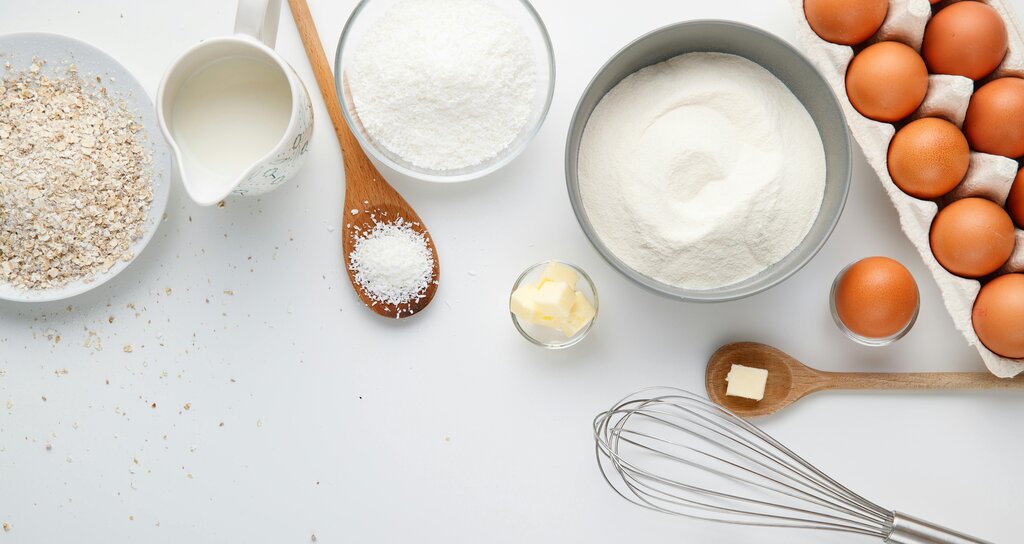
Flour, The Foundation
Flour provides the structure for your pizza. Its proteins form gluten, the elastic network that traps gas from the yeast and gives the crust its signature chew. For the high, quick heat of a pizza oven, not just any flour will do.
The gold standard for Neapolitan-style pizza is Italian '00' flour.
The '00' refers to how finely the flour is milled. It's powdery, almost like cornstarch. This fine texture allows it to absorb water quickly and creates a dough that's soft and easy to stretch. In a screaming-hot oven, '00' flour bakes into a crust that is incredibly light and tender with a crisp exterior, rather than becoming tough or cracker-like.
For pizza you should use strong bread flour, or Italian 00 flour for pizza, with a protein content of at least 11.5%.
If you can't find '00' flour, a high-quality bread flour is your next best option. It has a high protein content, which develops strong gluten for a satisfyingly chewy, foldable crust reminiscent of a New York-style slice. While all-purpose flour works in a pinch, its lower protein content will result in a less structured, softer crust that might not hold up as well.
Water, Yeast, and Salt
The other three ingredients play equally critical roles. Water is the binder; it hydrates the flour, allowing gluten to form. The amount of water relative to the flour is called the dough's hydration level. A higher hydration dough is often wetter and trickier to handle, but it produces a lighter, airier crust with bigger holes. A lower hydration dough is stiffer, easier to work with, and yields a denser, crispier result.
yeast
noun
A single-celled microorganism that consumes sugars and produces carbon dioxide gas and alcohol as byproducts.
Yeast is the magic ingredient that brings the dough to life. As it feeds on the sugars in the flour, it releases carbon dioxide gas. This gas gets trapped by the gluten network, inflating the dough and creating the airy pockets that give a great crust its texture. There are several types, like active dry, instant, and fresh yeast, but all perform this same essential function.
Finally, there's salt. It might seem like a minor player, but salt is crucial for two reasons. First, it adds flavor. A dough without salt will taste flat and bland. Second, it strengthens the gluten structure, making the dough more elastic and less sticky. Salt also helps regulate the yeast's activity, preventing it from fermenting too quickly, which would ruin the dough's texture and flavor.
Let's review these key ingredients before moving on.
Ready to test your knowledge?
What is the primary reason '00' flour is recommended for pizza cooked in a very hot oven?
A higher hydration level in pizza dough typically results in a crust that is:
With the right ingredients in hand, you're ready to build the foundation for an incredible homemade pizza.