Online Security Essentials
Understanding Online Threats
The Art of the Fake
Many online threats begin with a simple trick: pretending to be someone or something you trust. This is the core idea behind phishing, one of the most common ways attackers try to steal your information.
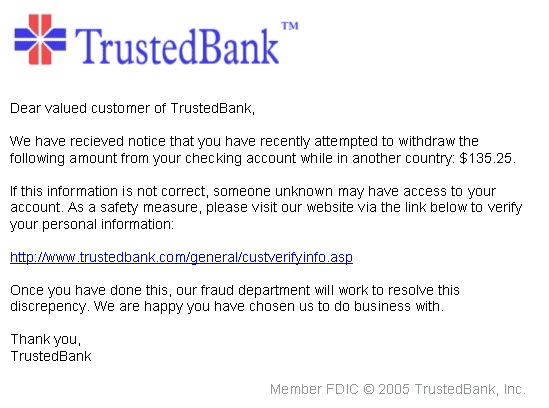
Phishing is like a digital wolf in sheep's clothing. An attacker might send an email that looks like it's from your bank, a social media site, or even a government agency.
These messages often create a sense of urgency. They might claim your account has been compromised, you've won a prize, or you owe money. The goal is to panic you into clicking a malicious link or downloading a harmful file without thinking. The link might lead to a fake login page designed to capture your username and password.
Phishing
noun
A type of online scam where criminals impersonate legitimate organizations via email, text message, or other means to steal sensitive information.
Unwanted Digital Guests
Sometimes, the goal of a phishing attack isn't just to steal your password—it's to install malicious software, or malware, on your device. Malware is a catch-all term for any software intentionally designed to cause damage to a computer, server, or network.
Malware comes in several varieties:
-
Viruses: Much like a biological virus, a computer virus attaches itself to a legitimate program. When you run that program, the virus activates and spreads to other files on your computer.
-
Ransomware: This is digital kidnapping. Ransomware encrypts your files, making them completely inaccessible. The attackers then demand a ransom payment, often in cryptocurrency, to restore your access.
-
Spyware: This type of malware is designed to be sneaky. It hides on your device and secretly gathers information, such as your browsing habits, keystrokes, and even your login credentials.

Playing on Human Nature
Notice a common thread? These threats often rely on fooling a person, not just breaking through digital defenses. This manipulation is called social engineering.
The best defence against social engineering attacks is awareness.
Social engineering is the art of manipulating people into giving up confidential information or performing actions that compromise security. Phishing is a classic example, but it can also happen over the phone (a fake tech support agent asks for remote access to your computer) or on social media (a compromised friend's account sends you a link to a "funny video" that installs malware).
Attackers exploit human psychology—our curiosity, trust, fear, and desire to be helpful. They might create a fake social media quiz that harvests personal data or use information from your public profiles to craft a more convincing scam.
The New Wave of Deception
As technology evolves, so do the threats. Artificial intelligence is now being used to create highly sophisticated and convincing fakes, a practice known as AI spoofing.
AI spoofing uses machine learning to create fake videos, images, or audio that are difficult to distinguish from the real thing.
You may have heard of deepfakes, which are videos or images where a person's face is replaced with someone else's. An even more immediate threat is voice spoofing or voice cloning. Scammers can use AI to replicate the voice of a loved one from just a short audio sample, perhaps taken from a video posted online. They can then call you, pretending to be that person in an emergency, and ask for money.
Stay wary of overly personalized messages, as AI can use your online footprint to create highly convincing traps.
Understanding these different types of threats is the first step toward protecting yourself. Whether it's a suspicious email, a strange pop-up, or a frantic phone call, a healthy dose of skepticism is your best initial defense.
Ready to test your knowledge? This quiz will help you check your understanding of the online threats we've just covered.
What is the primary tactic used in phishing attacks to make people act without thinking?
Which type of malware is specifically designed to encrypt your files and demand a payment for their release?
By recognizing the tactics attackers use, from simple phishing emails to advanced AI fakes, you're better equipped to navigate the digital world safely.