Online Safety for Children
Understanding Online Risks
The Four Big Online Risks
The internet is an incredible place for kids to learn and connect. But just like the real world, it has its dangers. Knowing what they are is the first step to keeping your child safe. We'll walk through the four main risks you should be aware of: cyberbullying, inappropriate content, online predators, and privacy breaches.
Cyberbullying
Bullying isn't new, but when it happens online, it can feel inescapable. Cyberbullying is any form of harassment that happens through digital devices like phones or computers. It can be mean texts, rumors spread on social media, or sharing embarrassing photos without permission.
Unlike playground bullying, cyberbullying can happen 24/7. It can reach a child anywhere, even in the safety of their own home. The posts can be shared widely and are often difficult to remove completely, leaving a lasting digital footprint.
The impact can be severe. Children who are cyberbullied often experience anxiety, depression, and a drop in self-esteem. They might withdraw from friends and family or lose interest in activities they once enjoyed. It’s crucial to watch for these signs and keep communication open.
A key difference with cyberbullying is its permanence. What goes online can be very difficult to take back.
Inappropriate Content
The internet is a vast library, and not all the books are for kids. Inappropriate content isn't just pornography. It can also include violent videos or games, hate speech, or sites that promote dangerous behaviors like eating disorders or self-harm.
Often, children stumble upon this content by accident. A simple typo in a search query or an innocent-looking link can lead them somewhere they shouldn’t be. Algorithms on video platforms can also recommend increasingly extreme content, pulling a child down a rabbit hole without them even realizing it.
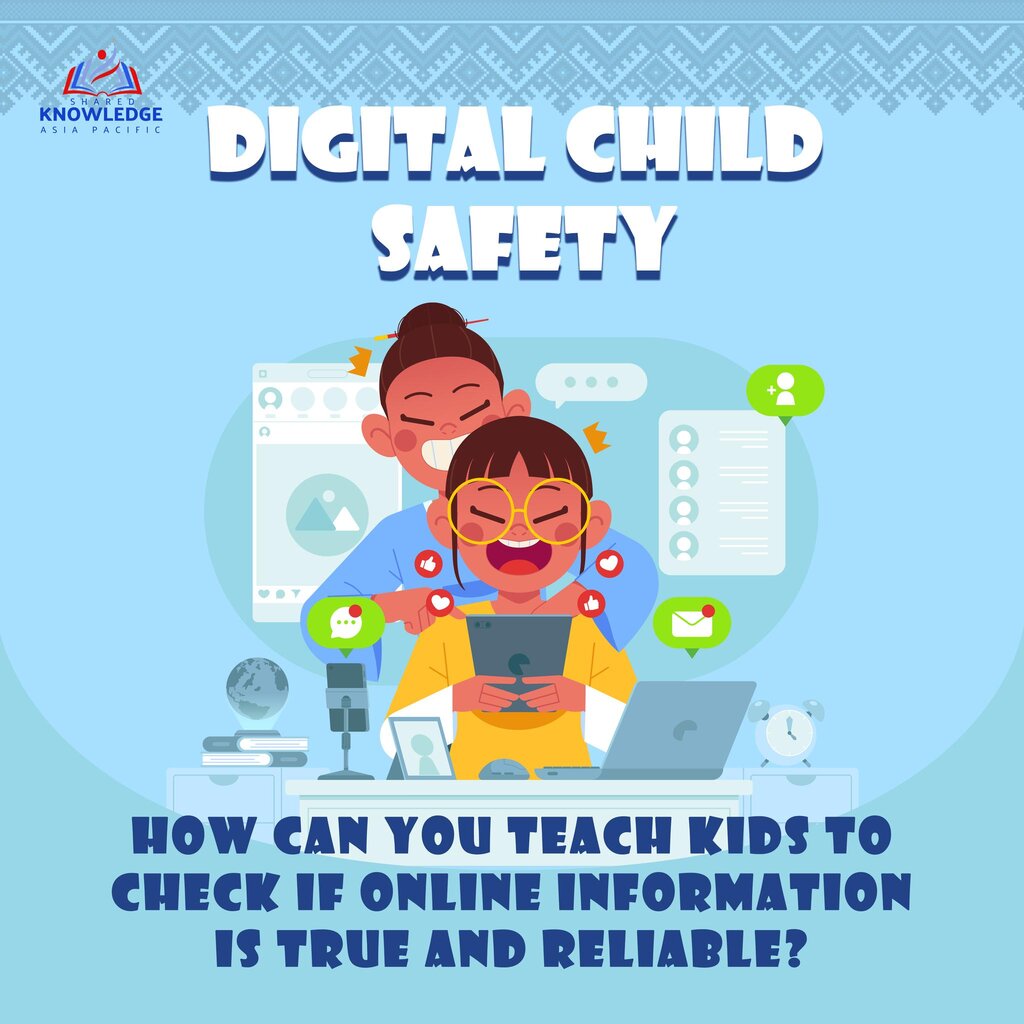
Exposure to this material can be confusing and frightening for a child. It can normalize harmful behaviors and warp their understanding of the world. That's why it's so important to talk about what they see online.
Online Predators
This is often a parent's biggest fear. Online predators are adults who use the internet to exploit children. They frequent the same apps, games, and social media sites that kids do, often pretending to be someone else—like another child—to gain trust.
This process of building trust for exploitative purposes is called grooming. A predator might start by being friendly and supportive, showering a child with compliments and gifts. Over time, they try to isolate the child from their family and friends, manipulate them into sharing personal information, or pressure them into sending inappropriate photos or meeting in person.
| Warning Sign | What It Looks Like |
|---|---|
| Secrecy | Your child quickly hides their screen when you walk by. |
| New Friends | They talk about a new, often older, online friend. |
| Gifts | They receive gifts or money from an online acquaintance. |
| Behavior Change | They become withdrawn, anxious, or depressed. |
Privacy Breaches
A child's personal information is valuable. Privacy breaches happen when that information gets into the wrong hands. This can happen in many ways, from signing up for a sketchy website to falling for a phishing scam that tricks them into giving away passwords.
Kids often don't understand the risks of oversharing. Posting their full name, school, or home address can make them vulnerable. Even sharing seemingly innocent details in an online profile can be pieced together by someone with bad intentions. Think of personal data like puzzle pieces. The fewer pieces you give away, the harder it is for someone to see the full picture.
Teach them about safe browsing practices such as recognizing secure websites, avoiding suspicious links or downloads, and understanding privacy settings on social media platforms.
Let's review some of the key terms we've just covered.
Now, let's test your knowledge.
Which of the following best describes why cyberbullying can sometimes be more difficult for a child to handle than traditional bullying?
The process an online predator uses to build a child's trust with the intent to exploit them is called:
Understanding these risks isn't about being scared of the internet. It's about being prepared. By knowing what's out there, you can have honest conversations with your child and empower them to navigate the digital world safely and confidently.