Online Retail Merchandising Mastery
Introduction to Online Merchandising
What Is Online Merchandising?
Online merchandising is the art and science of displaying products on a digital storefront to attract customers and drive sales. It's everything that happens between a customer landing on your site and making a purchase. This includes how products are organized, the photos and descriptions you use, and the promotions you run.
Think of a physical store. The owner carefully decides where to place items, what goes in the window display, and which products are featured at the end of an aisle. Online merchandising does the same job, but on a website or app. It's about creating a smooth and persuasive shopping experience that guides visitors from browsing to buying.
Merchandising is more than just how products are displayed—it’s how you tell the story of your brand, guide customers to the right gear, and influence what they ultimately buy.
Good merchandising can make a store feel intuitive and helpful. Poor merchandising can make it feel cluttered and confusing, causing potential customers to leave without buying anything.
Online vs. Physical Stores
While the goal is the same, merchandising for an online store is very different from a physical one. In a brick-and-mortar shop, you work with tangible limitations and advantages. You have limited shelf space, and you can appeal to customers' senses with lighting, music, and the ability to touch and feel products.

Online, the
Online, the "shelf space" is virtually infinite. You can display thousands of products without needing a massive warehouse. However, you lose the physical connection. Customers can't try on a shirt or test a gadget. Your merchandising must overcome this gap with high-quality photos, detailed descriptions, videos, and customer reviews.
| Feature | Physical Store Merchandising | Online Merchandising |
|---|---|---|
| Space | Limited by physical footprint | Virtually unlimited |
| Customer Interaction | Face-to-face, sensory | Digital, screen-based |
| Product Display | Physical arrangements, displays | Product pages, categories, search |
| Personalization | General (e.g., store layout) | Highly specific (e.g., recommendations) |
| Data Collection | Manual (e.g., foot traffic) | Automatic and detailed |
Understanding Online Shoppers
To succeed in online merchandising, you need to understand how people behave online. Unlike a physical store where a customer might wander around, online shoppers are often more mission-oriented. They might arrive with a specific product in mind or a problem they need to solve.
There are generally two types of online shoppers:
-
The Searcher: This person knows what they want. They use the search bar or navigate directly to a product category. For them, good merchandising means a fast, accurate search function and clear filtering options (like size, color, and price).
-
The Browser: This person is just looking around, perhaps for inspiration or to see what's new. Effective merchandising for browsers involves showcasing new arrivals, best-sellers, and curated collections that spark their interest.
The key is to serve both types of shoppers. Your site should be efficient for those in a hurry and engaging for those who want to explore.
The Role of Data
One of the biggest advantages of e-commerce is the incredible amount of data you can collect. Every click, every search, and every purchase provides valuable information about what your customers want. This data is the engine of modern online merchandising.
Data analysis helps you answer critical questions:
- Which products are most popular? This tells you what to feature on your homepage.
- What do people search for most often? This can reveal demand for products you don't carry or help you improve your site's navigation.
- At what point do customers abandon their shopping carts? This can highlight problems in your checkout process.
- Which products are often bought together? This allows you to create effective "frequently bought together" recommendations.
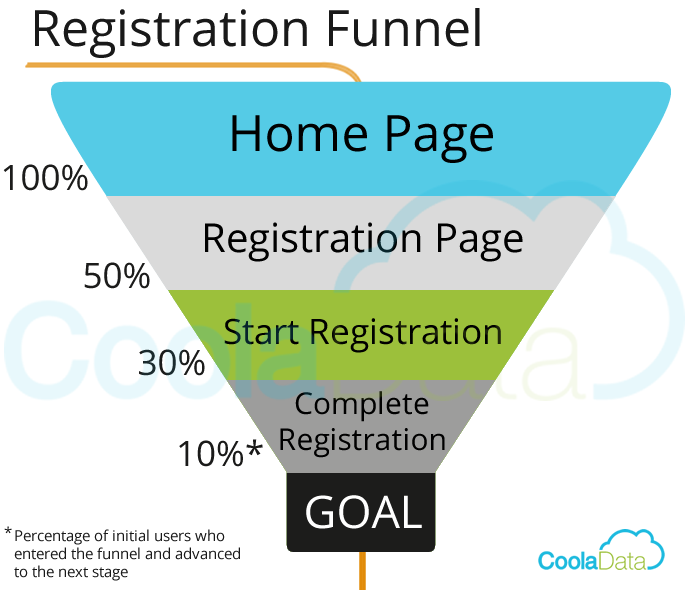
By analyzing this behavior, merchandisers can make informed decisions instead of just guessing. They can personalize the shopping experience, showing different customers different products based on their past behavior. This data-driven approach is what makes online merchandising so powerful.
Now, let's test your understanding of these core concepts.
What is the primary goal of online merchandising?
Compared to a physical store, what is a key advantage of an online store from a merchandising perspective?
These fundamentals are the building blocks of a successful online store. By focusing on product presentation, understanding the customer, and using data, you can create a shopping experience that turns visitors into loyal customers.