Online Ornamental Plant Markets
Online Sales Platforms
Choosing Your Digital Greenhouse
Once you have plants ready to sell, you need a place to sell them. Your online storefront is your digital greenhouse, a space where customers can browse and buy. There are three main paths you can take: building your own e-commerce website, using social media marketplaces, or listing on specialized platforms.
Your Own E-Commerce Site
Creating your own website using platforms like Shopify or Squarespace gives you complete control. You decide the layout, the branding, and the entire customer experience. All the customer data is yours, and you aren't competing with other sellers on the same page. Think of it as opening your own boutique nursery.
The trade-off is that you are responsible for everything. You have to build the site and, more importantly, attract every single visitor yourself. There's no built-in audience, so getting your first customers requires effort. These platforms also typically charge a monthly fee.
Social Media Marketplaces
Platforms like Facebook Marketplace and Instagram Shopping let you sell where people are already spending their time. The biggest advantage is the massive, built-in audience. You can engage directly with potential buyers, answer questions in real-time, and build a community around your plants.
However, you have less control. You're operating within another company's ecosystem, which means their rules and algorithms dictate who sees your products. The environment can feel crowded and competitive, and managing sales through direct messages can be less streamlined than a dedicated checkout process.
Social media platforms like Instagram, Pinterest, and Facebook give inestimable openings to connect with your target followership and showcase your products in a visually charming manner.
Specialized Plant Platforms
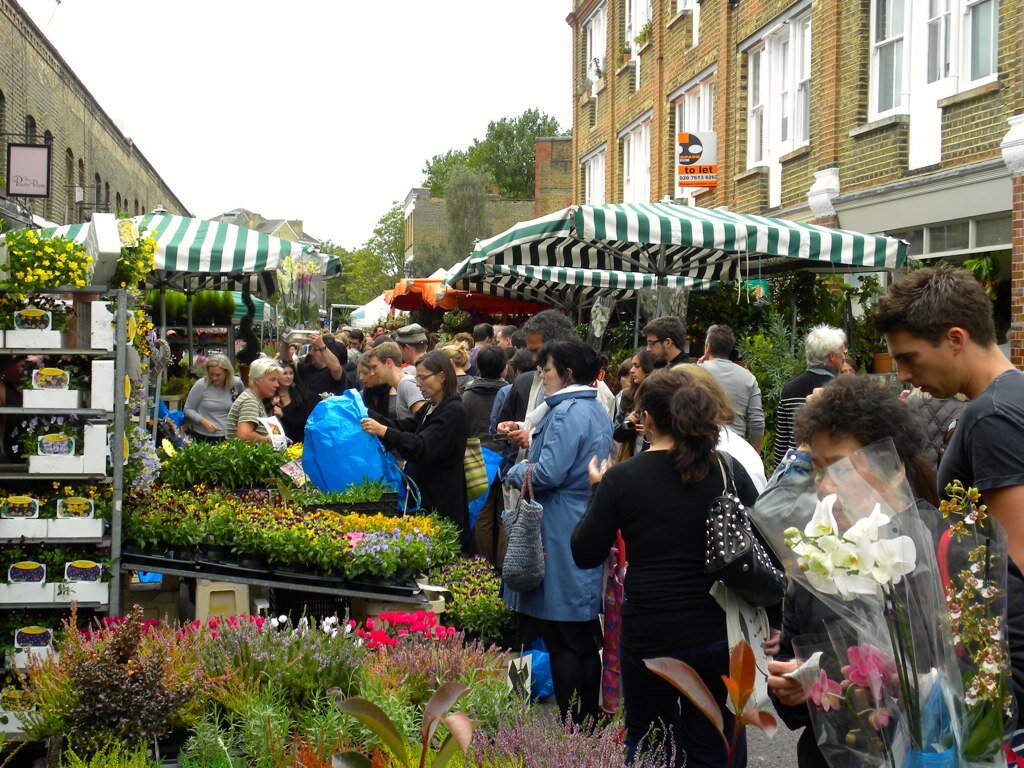
Websites like Etsy or specialized plant-selling apps are a middle ground. They are dedicated marketplaces that attract customers specifically looking for plants or unique, handcrafted goods. This means the visitors are already interested in what you have to offer.
These platforms provide the structure for your shop and handle payment processing, which is convenient. The downside is that you'll pay commission fees on your sales. You'll also be listed alongside many other plant sellers, so standing out is crucial. You must also abide by the platform's specific rules for listing and selling.
| Platform Type | Advantages | Challenges |
|---|---|---|
| E-commerce Site | Full control over brand & data; No direct on-site competition. | Must generate all your own traffic; Often has subscription fees. |
| Social Media | Huge built-in audience; Easy to engage with customers. | Crowded & competitive; Less control over platform & rules. |
| Specialized Platform | Niche, interested audience; Established trust & traffic. | Commission fees on sales; Direct competition with other sellers. |
Crafting Your Digital Storefront
No matter which platform you choose, the quality of your online storefront is what converts browsers into buyers. This comes down to two key elements: visuals and descriptions.
High-quality photos are non-negotiable. Show the plant from multiple angles. Use natural light to capture its true colors. Include a photo with a common object, like a hand or a coffee mug, to give a clear sense of scale. People want to know exactly what they are buying.
Your product descriptions should be just as clear. Go beyond just the name. Include details like:
- Light requirements: Bright indirect, low light, full sun.
- Watering needs: How often and how much.
- Size: The pot diameter and approximate plant height.
- Pet-friendliness: Note if the plant is toxic to cats or dogs.
A detailed, honest description builds trust and helps customers feel confident in their purchase. It also reduces the chance of returns and ensures the plant will thrive in its new home.