Online Marketing and Customer Acquisition Essentials
Introduction to Online Marketing
What Is Online Marketing?
Online marketing is any effort to spread the word about a company’s brand, products, or services using the internet. Think of it less like a single activity and more like a whole collection of strategies and tools. It's also called digital marketing.
If a traditional business builds a physical store on a busy street, an online business builds its presence on the busy digital streets of the internet. This includes having a website, being active on social media, and appearing in search engine results. The goal is the same: to meet potential customers where they are and show them what you have to offer.
The core idea is to connect with your audience in the right place, at the right time, and in the right way—all online.
A New Kind of Megaphone
Traditional marketing often felt like shouting with a megaphone. A company would broadcast a message through a TV commercial, a newspaper ad, or a billboard, hoping the right people would hear it. It was mostly a one-way street; customers couldn't easily talk back.
Online marketing is more like a two-way conversation. It allows for interaction, feedback, and relationship-building. Instead of just broadcasting a message, you can engage with your audience directly. This shift changes everything, from how businesses find customers to how they measure success.
| Feature | Traditional Marketing | Online Marketing |
|---|---|---|
| Interaction | One-way broadcast | Two-way conversation |
| Targeting | Broad (e.g., everyone watching a TV show) | Highly specific (e.g., 30-year-old cat owners in Ohio) |
| Measurement | Difficult and often estimated | Precise and trackable in real-time |
| Cost | Often requires a large upfront budget | Can be started with a very small budget |
The Digital Toolbox
Online marketing isn't just one thing. It's a set of different channels and strategies that work together. Here are some of the most common tools in the digital marketer's toolbox.
SEO
noun
Search Engine Optimization. The practice of increasing the quantity and quality of traffic to your website through organic search engine results.
Content Marketing: This involves creating and sharing valuable free content—like blog posts, videos, podcasts, and guides—to attract and retain an audience. Instead of pitching your products, you're providing useful information that builds trust and authority. People are more likely to buy from a brand they see as a helpful expert.
Social Media Marketing: This is the use of social media platforms like Facebook, Instagram, X (formerly Twitter), and LinkedIn to connect with your audience, build your brand, and drive website traffic. It's where the conversational aspect of online marketing really shines.
Email Marketing: A more direct way to reach your customers. Businesses collect email addresses and send newsletters, promotions, or announcements. It's a powerful way to nurture relationships because you're communicating with people who have explicitly given you permission to contact them.
Why Go Digital?
The shift from traditional to online marketing happened for a reason. Businesses of all sizes get some major advantages from operating online.
Online marketing levels the playing field, allowing small businesses to compete with large corporations using creativity and strategy instead of just a massive budget.
One of the biggest benefits is precision targeting. With traditional marketing, a billboard is seen by everyone who drives by, whether they're a potential customer or not. Online, you can show your ads to people based on their interests, age, location, and even past online behavior. This means less money is wasted on showing your message to people who don't care about it.
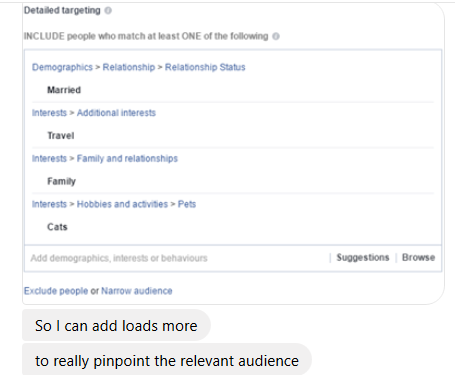
Another key advantage is measurable results. It's hard to know exactly how many people bought a soda because they saw your TV ad. But with online marketing, you can track almost everything. You can see how many people visited your site, how many opened your email, and exactly which ad led to a sale. This data allows businesses to understand what's working and what isn't, so they can make smart decisions and improve their strategy over time.
What is a primary difference between online marketing and traditional marketing?
Creating and sharing valuable blog posts, videos, and guides to attract an audience without directly pitching a product is known as ________.
These foundational concepts are the building blocks for any successful digital strategy. By understanding the what, why, and how of online marketing, you're ready to explore how these channels work in more detail.