Online Course Creation Mastery
Understanding Online Education
The Rise of Online Learning
Education used to be tied to a physical place. You went to a school, sat in a classroom, and learned from a teacher standing in front of you. The idea of learning from a distance isn't new—think of correspondence courses sent through the mail—but the internet changed the game entirely.
What started as simple websites and forums in the 1990s has exploded into a global industry. Universities began putting course materials online, and soon after, dedicated platforms emerged to host entire courses. Now, you can learn almost anything, from coding to ancient history, without ever stepping into a lecture hall.
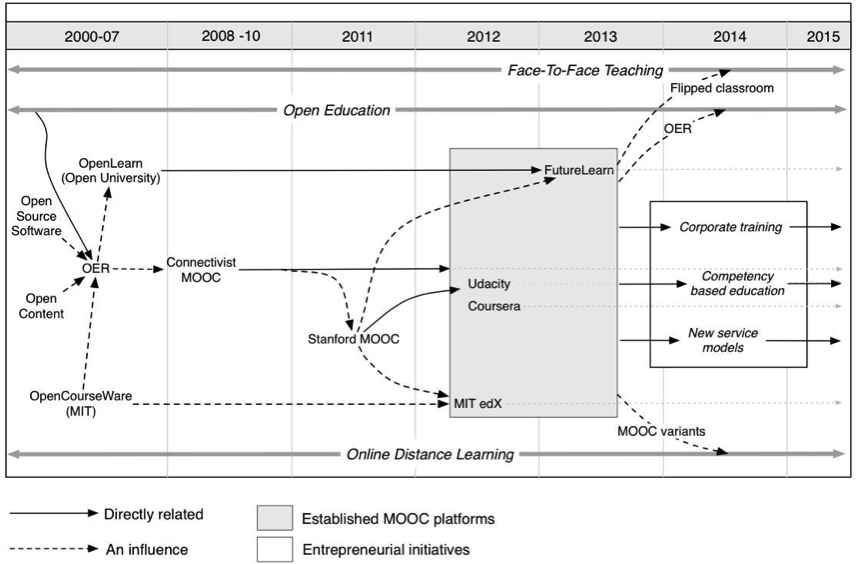
This evolution wasn't just about technology. It was about access. Suddenly, a student in a small town could take a class from a professor at a world-renowned university. A full-time employee could upskill in the evenings. This shift created new models for how education is delivered and consumed.
A Spectrum of Courses
Not all online courses are the same. They range from massive, open classes to small, private seminars. Two of the most common formats are MOOCs and SPOCs.
MOOC
noun
A Massive Open Online Course. It's designed for unlimited participation and open access via the web. Think of it as a huge online lecture hall with thousands of students.
MOOCs are great for reaching a broad audience. They often feature pre-recorded video lectures, automated quizzes, and peer-review assignments. The scale is their biggest strength, but it can also make direct interaction with instructors difficult.
SPOC
noun
A Small Private Online Course. Unlike a MOOC, a SPOC is offered to a limited number of students, creating a more intimate and interactive learning environment.
SPOCs prioritize community and collaboration. With a smaller group, students can get more personalized feedback from instructors and build stronger connections with their peers. They often carry a higher price tag and may have specific enrollment criteria.
| Feature | MOOC (Massive Open Online Course) | SPOC (Small Private Online Course) |
|---|---|---|
| Scale | Thousands of learners | Dozens to a few hundred learners |
| Access | Open to anyone, usually free to audit | Restricted, often requires payment |
| Interaction | Low instructor-to-student ratio | High instructor-to-student ratio |
| Pacing | Often self-paced | Usually follows a set schedule |
| Goal | Broad knowledge dissemination | Deep, collaborative learning |
The Good and the Bad
Online learning offers incredible flexibility. You can fit classes around your work schedule, family life, or other commitments. It breaks down geographical barriers, making education accessible to people who can't relocate or commute to a campus. Often, it's also more affordable than traditional in-person programs.
The greatest advantage of online learning is the ability to learn anytime, anywhere. All you need is a device and an internet connection.
However, it comes with its own set of challenges. The freedom and flexibility require a high degree of self-discipline and motivation. Without the structure of a physical classroom, it’s easy to fall behind.
Another major hurdle is the lack of face-to-face interaction. While forums and video calls help, they don't fully replicate the spontaneous discussions and community feel of an in-person class. Finally, the "digital divide" is a real issue. Not everyone has reliable internet access or the necessary technology to participate fully, creating a barrier to entry.
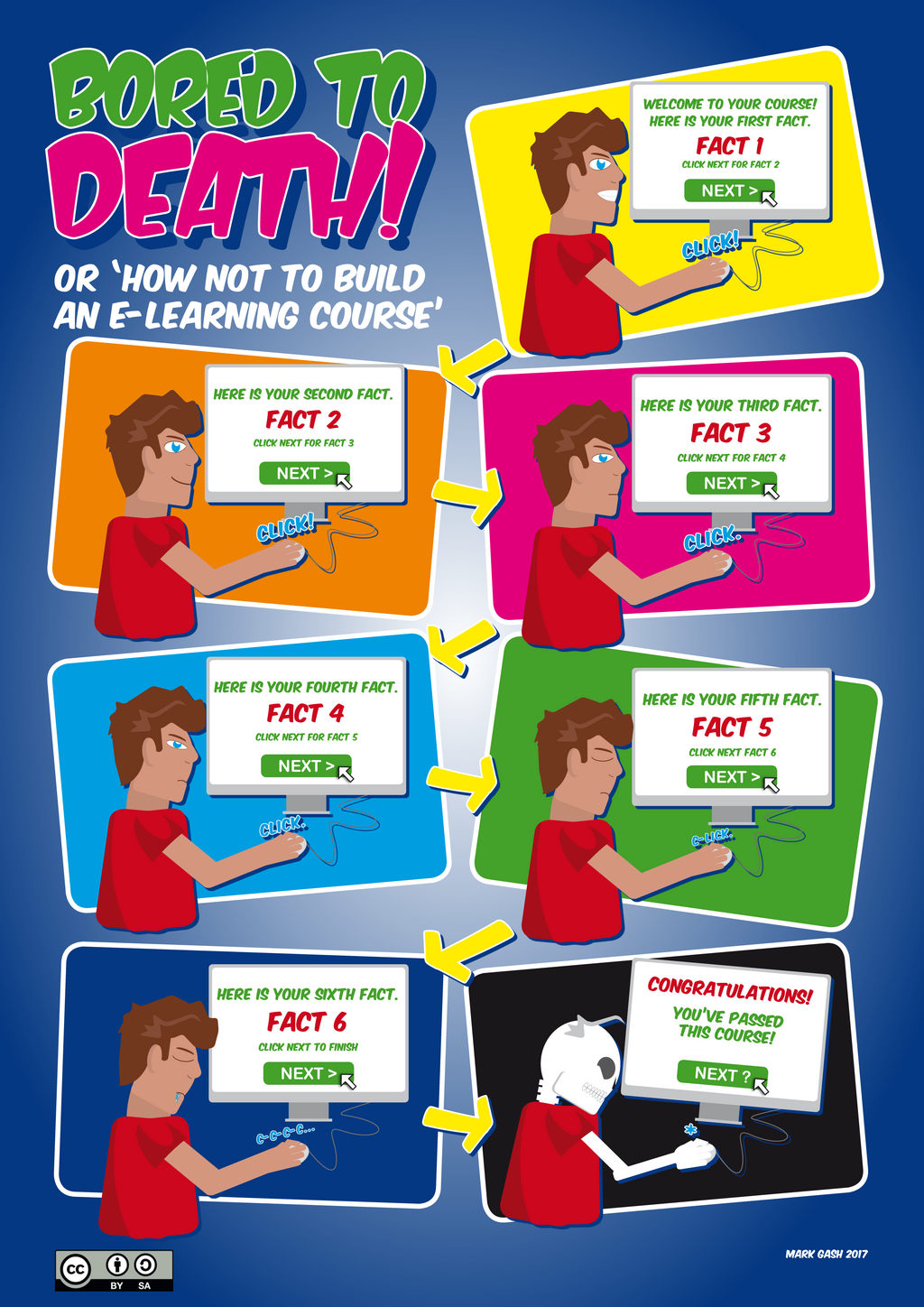
Ultimately, the effectiveness of an online course often comes down to its design. A well-structured course can mitigate many of these challenges by fostering community, creating engaging activities, and providing clear support for students.
What does the acronym MOOC stand for?
According to the text, what is a primary advantage of a SPOC (Small Private Online Course) over a MOOC?
Understanding the landscape of online education—its history, formats, and trade-offs—is the first step toward creating a learning experience that works.