Online Communities for Market Research
Introduction to Online Communities
More Than Just a Website
An online community is a group of people who come together on the internet. But it's more than just a chatroom or a comment section. These are digital spaces where individuals with shared interests, goals, or backgrounds connect, interact, and build relationships over time. Think of a book club that meets online, a forum for classic car enthusiasts, or a support group for new parents.
What turns a simple online group into a genuine community? It comes down to a few key ingredients:
- Shared Purpose: Members are drawn together by a common interest, whether it's a hobby, a professional field, a shared experience, or a goal.
- Interaction: Communities thrive on communication. Members don't just consume content; they actively discuss, share, and collaborate with one another.
- Sense of Belonging: Over time, these interactions foster a sense of identity and membership. People feel like they are part of something and that their presence matters.

A Community for Everything
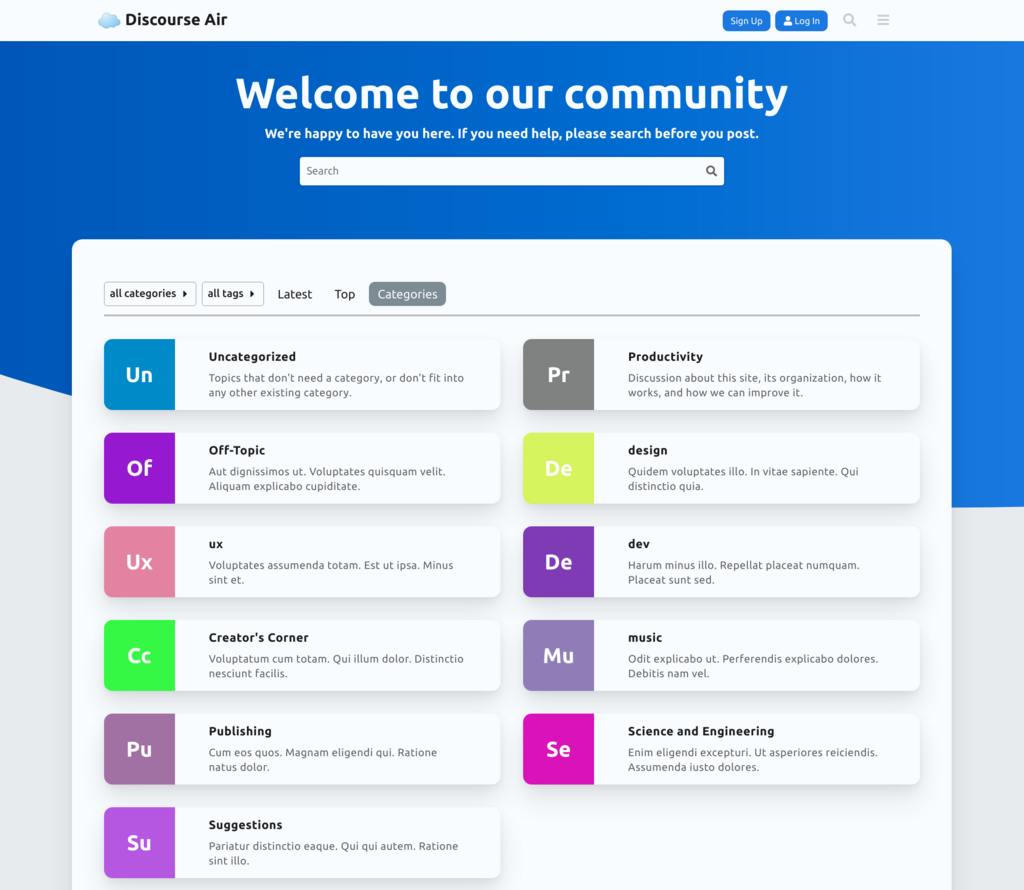
Online communities are incredibly diverse and can be categorized by their primary function. While many communities serve multiple purposes, they often have a central focus.
These communities typically form over the internet, establishing a collective identity based on extended kinship ties around a topic, shared values, or ideology.
Here are some common types:
- Interest Communities: These are built around hobbies and passions. Examples include forums for gamers, fan groups for a TV series, or social media groups dedicated to gardening.
- Communities of Practice: Professionals gather in these spaces to share knowledge, solve problems, and advance their careers. Think of a LinkedIn group for software developers or a forum for marketing professionals.
- Support Communities: These offer a safe space for people facing similar life challenges, such as a health condition, grief, or personal development goals. Members provide emotional support and practical advice.
- Brand Communities: Companies create these spaces for their customers to connect with each other and the brand itself. It might be a forum for users of a specific software or a Facebook group for fans of a particular clothing line.
The Function of Digital Spaces
At their core, online communities fulfill fundamental human needs. They exist to help people connect, learn, and grow in a world where physical proximity is no longer a barrier. The primary purpose of any community is to create value for its members, which can take many forms.
Key functions include:
- Knowledge Sharing: Communities are powerful engines for learning. Members ask questions, share expertise, and create a collective library of information that benefits everyone.
- Social Connection: They provide a sense of belonging and help combat isolation. Friendships and professional relationships that start online can become deeply meaningful.
- Collaboration: Many communities form to achieve a common goal, like developing open-source software, organizing an event, or advocating for a cause.
- Feedback and Validation: Whether someone is sharing a creative project or a new business idea, communities can offer constructive feedback and encouragement.
Time to check your understanding of these core concepts.
What is the most important element that distinguishes a true online community from a simple online group, like a website's comment section?
A group of professional software developers uses a dedicated online forum to share code, solve complex programming problems, and discuss industry trends. This is best described as a...
Understanding these foundational ideas is the first step. Online communities are a vibrant and essential part of the modern internet, shaping how we learn, work, and connect with one another.