Online Business Ideation to Income
Understanding Online Business Models
Choosing Your Path Online
Every online business needs a blueprint. This plan, called a business model, explains how you'll create something valuable and get it to customers. It’s not about the technical details of a website, but the core strategy of how you'll operate and make money. Let's explore some of the most common paths.
Selling Products Online
E-commerce is what most people think of when they hear “online business.” It’s the digital version of a retail store, where you sell products directly to customers. These products can be physical goods you ship, like clothing or handmade furniture, or digital items people can download, like e-books or software.
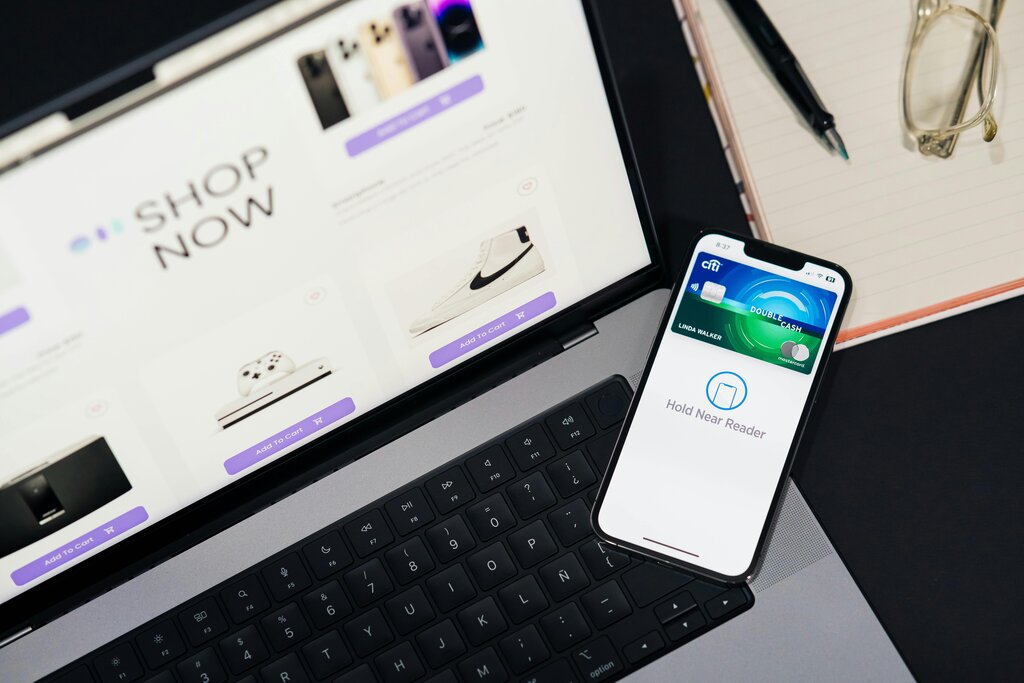
E-commerce models generally fall into two categories:
- Business-to-Consumer (B2C): A company sells products directly to individual people for their personal use. Think of buying a pair of sneakers from an online brand.
- Business-to-Business (B2B): A company sells products or services to other companies. An example would be a business buying office supplies in bulk from a specialized online vendor.
The biggest advantage is the direct relationship you build with your customers. You control the brand experience from start to finish. However, this model comes with challenges, especially with physical products. Managing inventory, shipping, and returns can be complex and costly.
The Power of Recurring Revenue
Subscription services offer ongoing access to a product or service in exchange for regular payments, usually monthly or yearly. This model shifts the focus from one-time sales to long-term customer relationships.
Instead of a single transaction, the goal is to provide continuous value that keeps customers subscribed.
You see this model everywhere: streaming services for movies and music, software tools you pay for monthly (known as Software as a Service, or SaaS), and even curated boxes of physical goods that arrive at your door each month. The appeal for businesses is clear: predictable, recurring revenue makes financial planning much easier. The challenge is that you must constantly deliver value to prevent customers from canceling. If your service stagnates, so will your revenue.
| Advantages | Challenges |
|---|---|
| Predictable revenue stream | Must constantly provide value |
| Builds strong customer loyalty | High effort to acquire first customers |
| Easier to forecast business growth | Risk of customers canceling (churn) |
Connecting Buyers and Sellers
A digital marketplace doesn't sell its own products. Instead, it creates a platform where others can connect and make transactions. The marketplace owner typically earns a commission or fee on each sale. Think of sites like Etsy (for handmade goods), Airbnb (for travel stays), or Upwork (for freelancers).
Online marketplaces bring together products and services from multiple sellers on a single eCommerce site.
The power of a marketplace comes from the "network effect." The more buyers a platform has, the more sellers it will attract. The more sellers it has, the more variety and competition will attract buyers. This creates a powerful, self-reinforcing cycle.
The primary challenge is the classic "chicken and egg" problem. It's difficult to attract buyers when you have no sellers, and it's hard to attract sellers when you have no buyers. Successful marketplaces must find a clever way to get both sides on board simultaneously.
What Makes You Different?
No matter which business model you choose, you'll be competing in a crowded digital world. To succeed, you must answer one critical question: Why should a customer choose you over all the other options?
Your answer is your value proposition.
Value Proposition
noun
A clear statement that explains the benefit you provide for your customers and how you do it uniquely well. It describes your target buyer, the problem you solve, and why you’re the distinctively better solution.
A strong value proposition is specific and focuses on the customer's needs. It isn't just a slogan. It’s the core promise you make to your customers. For example, a new project management tool might have a value proposition like: "We help remote teams finish projects on time by simplifying communication."
Flowing from this is your Unique Selling Point (USP). This is the one thing that makes you truly different from your competitors. Is your product faster, cheaper, easier to use, or made from higher-quality materials? Your USP should be a single, powerful idea that sticks in the customer's mind.
Your USP is your competitive edge, boiled down to a single sentence.
Choosing a business model is the first step. Defining what makes you valuable and unique is what will ultimately set you on the path to success.
What is the primary purpose of an online business model?
A company sells specialized graphic design software to other creative agencies. Which category does this fall into?