Online Brand Sales Strategies
Understanding Direct-to-Consumer Sales
What is Direct-to-Consumer?
Direct-to-Consumer, or DTC, is a sales model where a company produces and sells its products directly to customers, without any middlemen. Think of it like buying vegetables straight from the farmer at a market instead of from a large grocery store chain. The farmer has a direct connection with you, the customer.
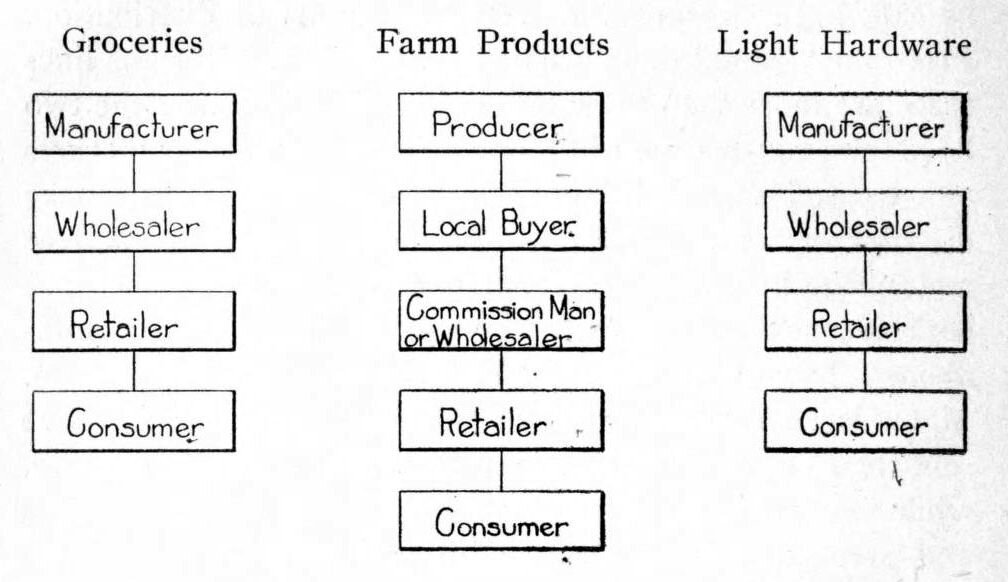
In a traditional retail model, a manufacturer sells products in bulk to a wholesaler. The wholesaler then sells them to a retailer, and the retailer finally sells them to the consumer. Each step adds a markup to the price and puts another layer between the creator and the end user. DTC cuts out these intermediate steps.
Why Go Direct?
The DTC model offers several powerful advantages for brands. The most significant is greater control. When a company sells directly, it controls the entire customer experience, from the marketing message to the packaging and customer service. There's no risk of a retailer misrepresenting the brand or poorly displaying the product.
Another major benefit is the direct relationship with the customer. DTC companies can gather valuable data on customer preferences and behavior. This direct feedback loop allows them to quickly iterate on products and tailor their marketing efforts. It builds a stronger, more personal connection than is possible through a third-party retailer.
Finally, there are the financial benefits. By eliminating wholesalers and retailers, DTC brands can capture a larger portion of the profit from each sale. This can lead to higher profit margins or allow them to offer more competitive pricing to the consumer.
Establishing a strong DTC channel helps control the customer experience, enabling you to improve profit margins by cutting out intermediaries.
The DTC Trade-Offs
While the benefits are compelling, the DTC model comes with its own set of challenges. When you cut out the middleman, you also inherit their responsibilities. This means managing all the logistics yourself.
DTC brands are responsible for warehousing inventory, packing orders, shipping products, and handling returns. This operational complexity can be a major hurdle for new companies.
Customer service also falls entirely on the brand's shoulders. Every question, complaint, and support ticket comes directly to them. Building and staffing a responsive customer service team is essential.
Perhaps the biggest challenge is marketing. Without the built-in foot traffic and marketing efforts of a large retailer, DTC brands must find their own customers. This requires significant investment in advertising, content creation, and social media to build brand awareness from scratch.
DTC vs. Traditional Retail
The differences between the two models are stark. Here's a simple breakdown of how they compare across key areas.
| Feature | Direct-to-Consumer (DTC) | Traditional Retail |
|---|---|---|
| Distribution | Manufacturer → Consumer | Manufacturer → Wholesaler → Retailer → Consumer |
| Customer Data | Direct access and ownership | Limited or no direct access |
| Brand Control | Complete control over experience | Shared with retail partners |
| Profit Margin | Higher, as no middleman markup | Lower, due to markups at each step |
| Key Challenge | Customer acquisition and logistics | Gaining placement in retail stores |
Successful DTC brands have become household names by mastering this model. Warby Parker disrupted the eyewear industry by selling stylish glasses directly to consumers online, bypassing expensive optical shops. Casper did the same for mattresses, delivering them in a box right to people's doors. These companies built strong brands by focusing on a great customer experience and a direct line of communication with their buyers.
Now, let's test your understanding of the Direct-to-Consumer model.
What is the primary characteristic that defines the Direct-to-Consumer (DTC) sales model?
Which of the following is a major advantage for a company using the DTC model?
Understanding the DTC model is key to seeing how modern businesses are changing the way they connect with and sell to customers.