On-Chain and Digital Art 2025
Introduction to On-Chain Digital Art
Art That Lives Forever
Imagine a piece of art that can't be lost, damaged, or forged. It doesn't hang in a museum or a private collection, but exists publicly, secured on a global network. This is the core idea behind on-chain digital art.
Unlike a simple JPEG file you might save to your computer, on-chain art is stored directly on a blockchain. The artwork's data, its history, and its ownership are all part of a permanent, unchangeable public record.
Blockchain
noun
A decentralized and distributed digital ledger that records transactions in a secure and unchangeable way. Think of it as a shared digital record book that everyone can see but no one can alter.
This technology provides a new kind of trust. When a piece of art is on the blockchain, its entire history, or provenance, is transparent. You can see who created it, who has owned it, and how much it was sold for at every step. This solves a huge problem in the traditional art world: proving an artwork is authentic.
The Role of Smart Contracts
So how does a digital file get placed on the blockchain and sold? The process is managed by a special piece of code called a smart contract.
A smart contract is like a digital vending machine for art. It’s a self-executing agreement where the terms are written directly into code. The contract holds the artwork and automatically handles the transaction when a collector decides to buy it. The code is the law, and it runs exactly as programmed without needing a gallery, auction house, or lawyer to oversee the sale.
These contracts can also include rules that traditional art sales never could. For example, an artist can program a smart contract to automatically receive a percentage of the sale price every single time their artwork is resold in the future. This creates a continuous revenue stream, supporting artists long after the initial sale.
With non-fungible tokens, an artist can establish scarcity of their work by verifying its authenticity on the blockchain.
NFTs The Digital Certificate
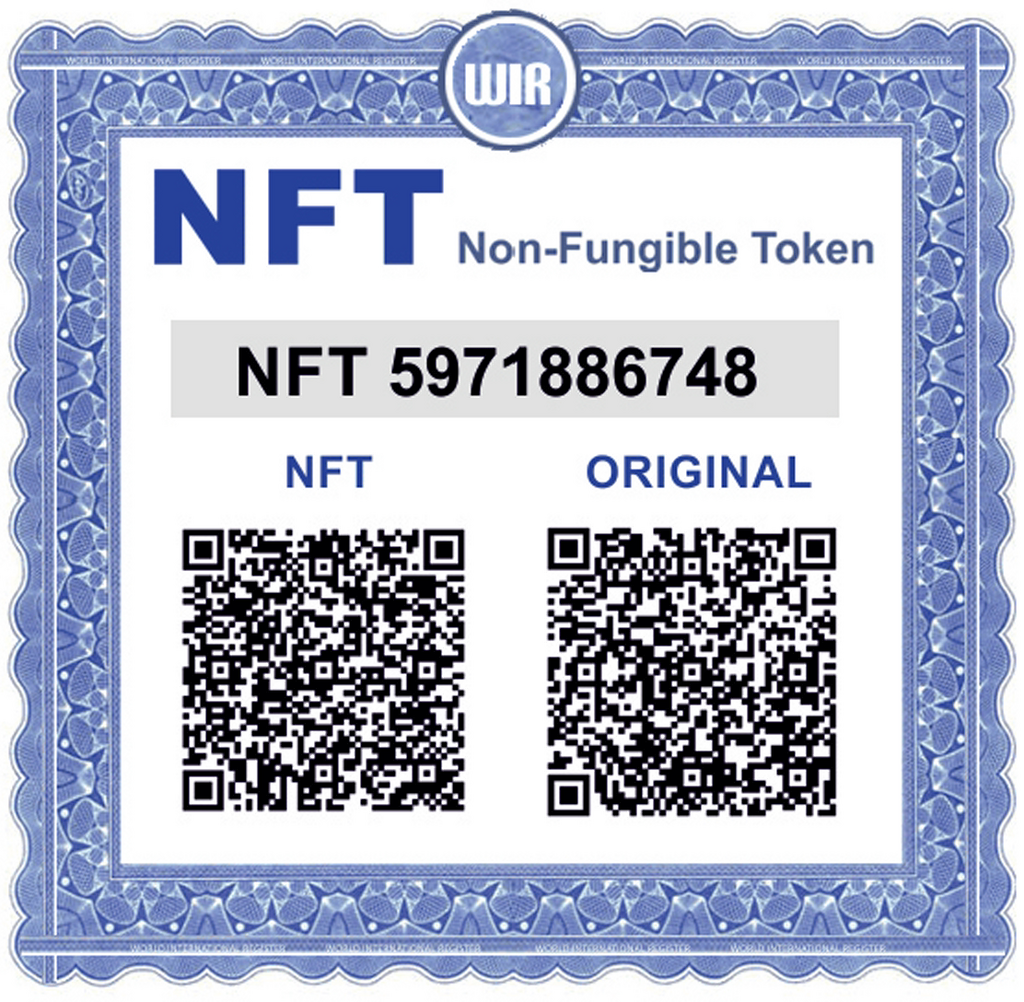
When you buy on-chain art, you aren't just getting a digital file. You're getting a Non-Fungible Token, or NFT, that represents your ownership of that art. This token is your proof of purchase, and it's permanently recorded on the blockchain.
Non-Fungible
adjective
An item that is unique and cannot be replaced with another identical item. For example, the Mona Lisa is non-fungible, whereas a one-dollar bill is fungible because any dollar bill can replace another.
The NFT acts as a digital certificate of authenticity and ownership, all rolled into one. It links the artwork to the owner's digital wallet, creating a clear and unbreakable connection. This is what makes true digital ownership possible.
For artists, this means they can create and sell digital work with the same level of scarcity and value as a physical painting. For collectors, it provides undeniable proof that they own the original piece, not just a copy. This system creates a more transparent, direct, and fair art market for everyone involved.
Let's check your understanding of these core concepts.
What is the primary advantage of storing art directly on a blockchain?
In the context of on-chain art, what is a smart contract?
On-chain art has opened up a new frontier for creators and collectors, fundamentally changing how we think about digital ownership.