Omote Senke Table Tea Ceremony
Introduction to Omote Senke
The House of Sen
The world of the Japanese tea ceremony is vast, with several schools that practice the art in slightly different ways. One of the largest and most influential is the Omote Senke school. Its history is directly tied to the great tea master, Sen no Rikyū.
After Rikyū's death, the tradition was passed down through his family. His great-grandson, Kōshin Sōsa, inherited the family estate in Kyoto. This front house, or omote, became the headquarters for what we now know as the Omote Senke school. His brother established another branch in the back (ura) of the estate, creating the Urasenke school, but we'll focus on Omote Senke here.
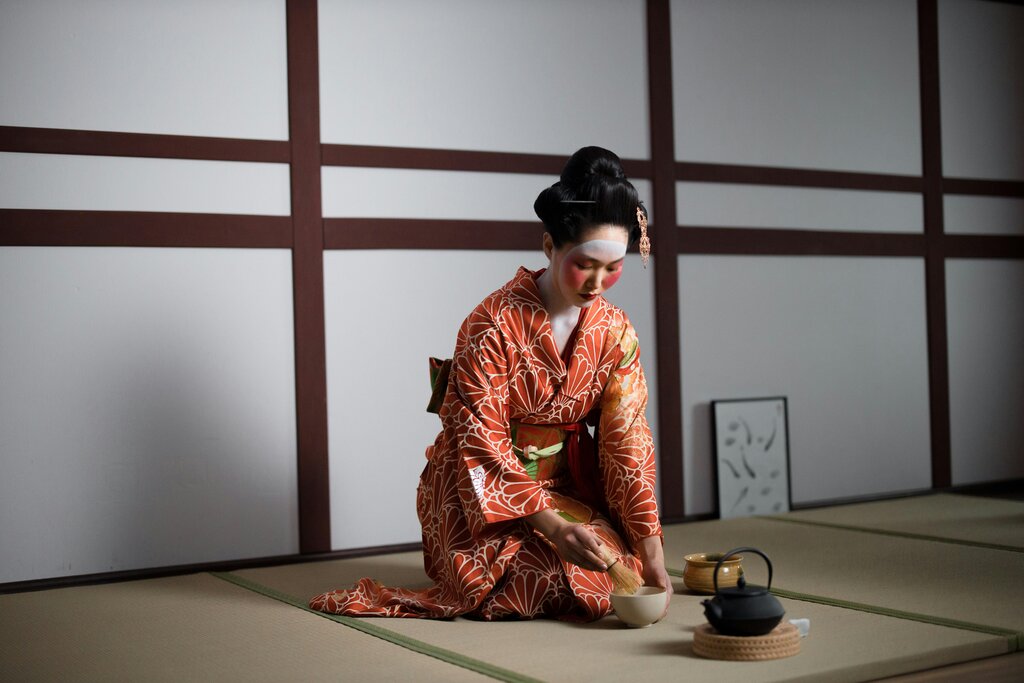
The headmaster of the school, known as the iemoto, has always been a direct descendant of Sen no Rikyū, carrying the name Sōsa. This unbroken lineage helps preserve the school's specific traditions and aesthetic.
Wabi-Sabi The Omote Senke Way
At the core of Omote Senke's philosophy is the concept of wabi-sabi. This worldview centers on finding beauty in imperfection, appreciating simplicity, and accepting the natural cycle of life and decay. It's a quiet, introspective aesthetic that values the humble and the unadorned.
wabi-sabi
noun
A traditional Japanese aesthetic centered on the acceptance of transience and imperfection. It is sometimes described as one of appreciating beauty that is 'imperfect, impermanent, and incomplete.'
How does this translate to the tea ceremony? Omote Senke emphasizes naturalness. The utensils (dōgu) are often made of simple, earthy materials like bamboo and unglazed clay. A slightly misshapen bowl or a bamboo scoop showing signs of age isn't seen as flawed. Instead, these imperfections tell a story and are cherished for their unique character.
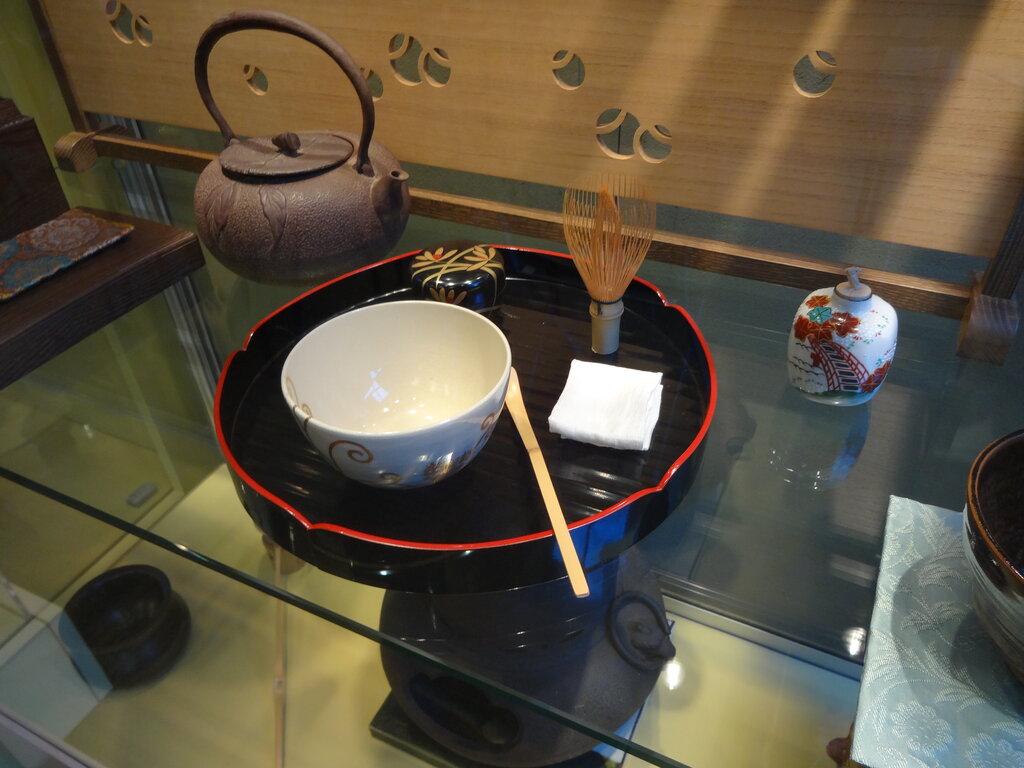
The tea itself is prepared with less froth than in other schools. The matcha is whisked just enough to blend it smoothly, resulting in a thin layer of foam with a still, green surface visible underneath. This reflects the school's preference for understatement and a more natural appearance.
Fushin-an The Heart of the School
The most important tea room for the Omote Senke school is the Fushin-an, located at the family estate in Kyoto. The name translates to "Hermitage of Doubt," a name chosen by Sōtan. It reflects a Zen Buddhist idea that even with deep knowledge, a healthy sense of doubt keeps the mind open and humble.
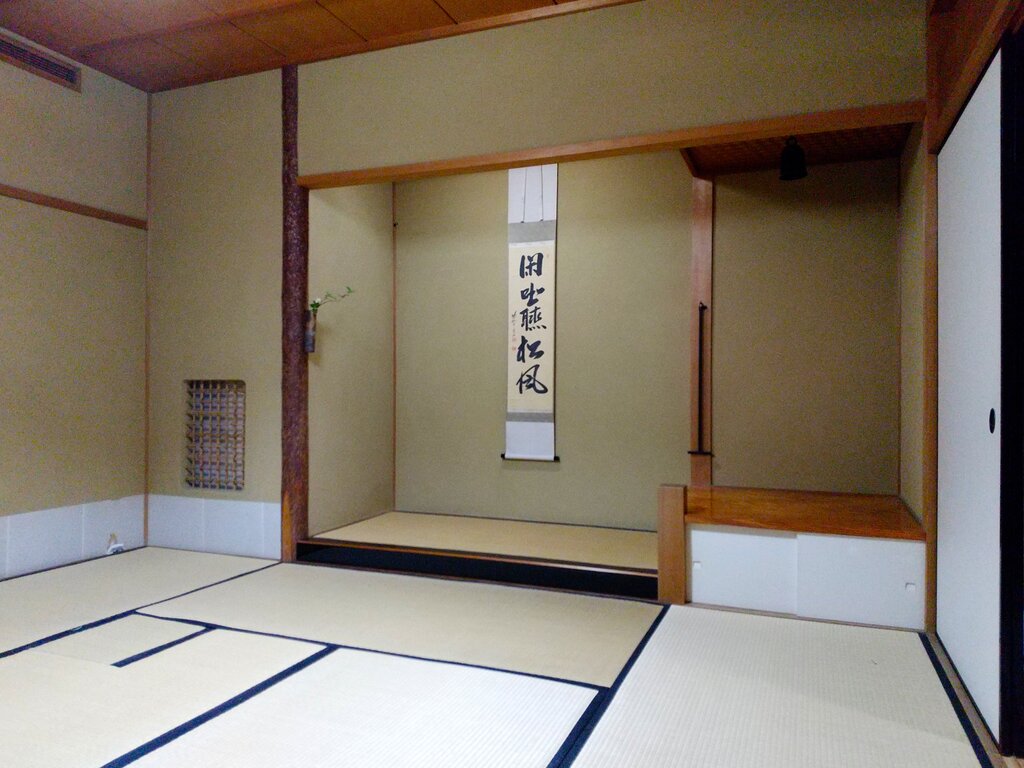
Fushin-an is the architectural embodiment of Omote Senke's principles. It's a small, rustic structure designed to create a sense of peace and intimacy. The materials are simple and natural: mud walls, a bamboo ceiling, and paper screens. It serves as the model tea room for the school and a spiritual center for its practitioners worldwide.
The design of Fushin-an and the philosophy of Omote Senke remind practitioners that the Way of Tea is not about ornate objects or grand gestures, but about finding tranquility in simplicity.
Now, let's review some of the key terms we've covered.
Ready to test your knowledge?
The core aesthetic philosophy of the Omote Senke school, which finds beauty in simplicity and imperfection, is known as what?
Who is credited with establishing the Omote Senke school at the family's 'front house'?
By understanding its history, its embrace of wabi-sabi, and the significance of its main tea room, you can begin to appreciate the unique path Omote Senke offers in the Way of Tea.