Omnichannel Retail Strategy
Introduction to Omnichannel Retail
Beyond Just Selling Everywhere
Imagine you see a shirt you like on a store's app. You add it to your cart but want to try it on first. You go to the physical store, and a notification on your phone guides you right to the aisle where the shirt is. It fits perfectly. You pay for it using the app and walk out. Later, you get an email with style suggestions for your new shirt.
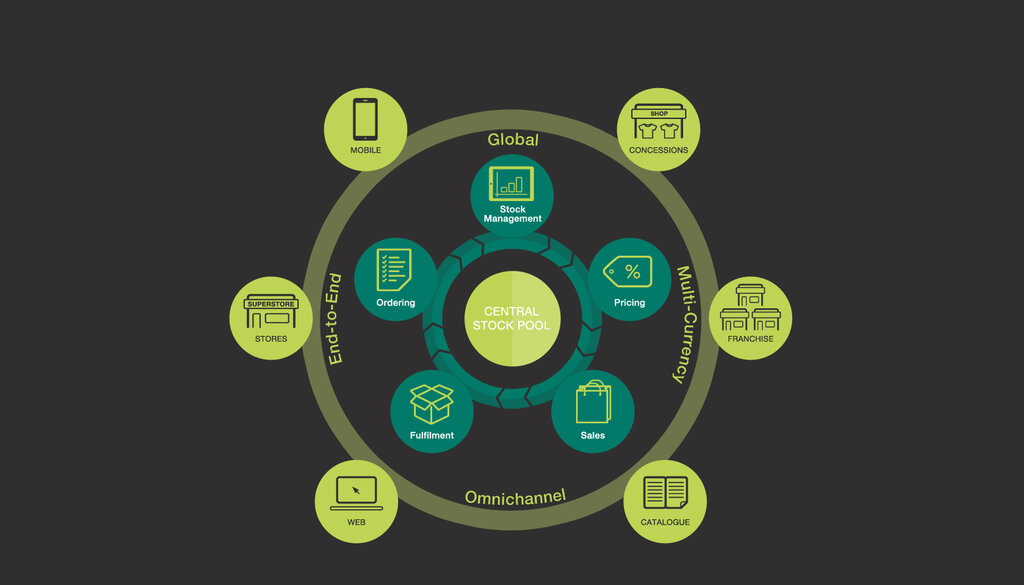
This seamless journey is the core of omnichannel retail. It's not just about being on multiple channels like a website, a mobile app, and a physical store. It's about making those channels work together as one cohesive experience. The customer is at the center, and the channels revolve around them, creating a single, unified conversation with the brand.
Omnichannel puts the customer, not the company's internal structure, at the heart of the strategy.
The Path to a Unified Experience
Retail didn't start out this connected. The journey has been an evolution.
-
Single-Channel: This was the traditional model. A business had one way to sell, typically a physical brick-and-mortar store. All customer interaction happened in that one place.
-
Multichannel: Then came the internet, and businesses added more channels. They launched a website, maybe a mail-order catalog, or a mobile app. But these channels operated in silos. The website was one business, and the store was another. They had separate inventory, separate marketing, and often, separate teams.
-
Omnichannel: This is the final step, where all the channels merge. Inventory is shared, customer data is unified, and the experience is consistent whether you're on your laptop, on your phone, or in the store. It’s about creating a single, seamless shopping journey.
This evolution reflects a fundamental shift in how businesses view their customers. Instead of forcing shoppers into predefined channels, the business adapts to how the customer naturally wants to shop.
Why Go Omnichannel?
Adopting an omnichannel strategy offers significant advantages. The most obvious is a vastly improved customer experience. When everything works together smoothly, shopping becomes easier and more enjoyable. This convenience builds powerful brand loyalty.
A seamless experience also leads to more sales. Customers who use multiple channels to shop tend to spend more than those who only use one. They are more engaged with the brand and have more opportunities to buy.
Research reveals that companies offering an omnichannel experience retain customers 89% better than companies that don’t.
However, making this shift isn't simple. One of the biggest hurdles is technology. Getting different systems for inventory, sales, and customer data to communicate with each other can be complex and expensive. Another challenge is maintaining consistency. The brand's message, pricing, and level of service must feel the same everywhere. This requires breaking down old organizational silos, where the e-commerce team might compete with the in-store team. In an omnichannel world, everyone has to work together toward the same goal.
Leaders in the Field
Some retailers have mastered this new landscape. Target, for example, has turned its physical stores into fulfillment hubs. You can order something online and pick it up in-store or use their popular Drive Up service, where an employee brings your order directly to your car. Their app is a key part of the in-store experience, helping you find items and access special deals.
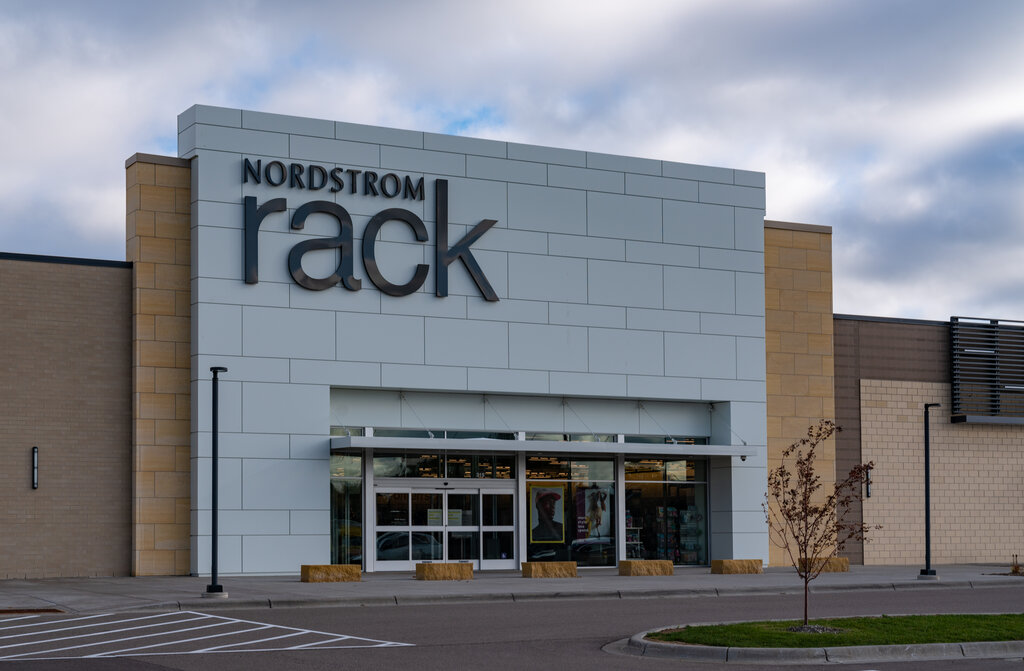
Nordstrom is another leader, known for blurring the lines between its physical and digital presence. They allow customers to buy online and pick up in-store, and they make returns incredibly easy, no matter where the original purchase was made. Their app connects shoppers with personal stylists, offering a high-touch service that integrates seamlessly with their online and in-store inventory.
These companies show that omnichannel is more than a buzzword. It’s a powerful strategy that responds to how people live and shop today. By creating a flexible, consistent, and customer-focused experience, businesses can build stronger relationships and thrive in the modern retail environment.
What is the primary characteristic that defines an omnichannel retail strategy?
Which statement best explains the key difference between multichannel and omnichannel retail?