Olympic Legacy and the 2026 Winter Games
Ancient Roots and Evolution
From Olympia to Paris
The modern Olympic Games were not born in a flash of inspiration, but through a calculated effort to revive an ancient ideal. The pivotal moment came in 1894 at a conference in Paris. Organized by a French aristocrat named , the event brought together delegates from across Europe and the United States. His goal was ambitious: to re-establish the Olympic Games as a recurring international spectacle.
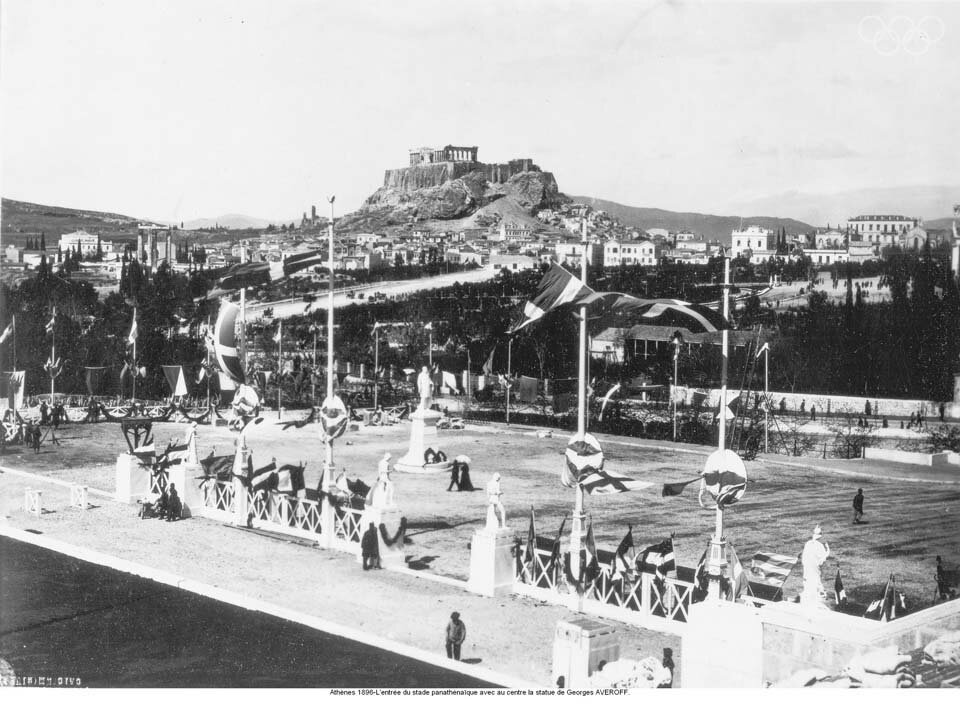
The congress established the International Olympic Committee (IOC) and set the stage for the first modern games in Athens in 1896. Coubertin’s philosophy was rooted in the Greek concept of developing the body and mind in harmony. But he also added a distinctly modern, Victorian-era twist: the ideal of the amateur athlete.
The Amateur Ideal
For the early Olympic movement, was a core principle. The idea was that athletes should compete for the love of the sport, not for financial gain. This code was strict and, in practice, exclusionary. It favored wealthy gentlemen who could afford to train and travel without pay, effectively barring working-class athletes from participation.
This definition created immediate tension. The most famous case was that of Jim Thorpe, the American star of the 1912 Stockholm Games. After winning two gold medals, he was stripped of his titles when it was discovered he had briefly played semi-professional baseball for a tiny salary. The IOC's rigid stance on amateurism would soften over decades, but it defined the early character of the Games, shaping who could compete and what the Olympics stood for.
The original Olympic charter stated an amateur was one who had not competed for a cash prize, or against a professional athlete.
A Global Stage
As the Games grew, their geopolitical significance swelled. Nations quickly realized the Olympics were a powerful platform for soft power and national prestige. The interwar period, from 1920 to 1936, was particularly charged. The 1920 Antwerp Games excluded the defeated Central Powers of World War I, including Germany, Austria, and Hungary. Their re-integration into the Olympic movement throughout the 1920s was a delicate process, mirroring the broader diplomatic efforts of the era.
This period also saw a crucial structural change. The success of a 1924 “International Winter Sports Week” in Chamonix, France, led the IOC to officially create a separate cycle for winter sports. This established the Winter Olympics, which would be held in the same year as the Summer Games until the 1990s.
With more nations and more sports came the need for more rules. The Olympic Charter evolved significantly during these years. Early versions were simple frameworks, but they grew into complex legal documents handling everything from the selection of host cities to the specifics of each sport's regulations. This professionalized the Olympic movement, turning it from a gentleman's club into a global governing body capable of managing an increasingly complex and politically significant event.
Who is credited as the primary founder of the modern Olympic Games?
What was the core principle of "amateurism" in the early Olympic movement?
The journey from a revivalist congress in Paris to a global institution was rapid. The core ideals were tested by class divisions, political turmoil, and the simple logistics of growth, forcing the Games to adapt into the form we recognize today.