Olympic Games History
Ancient Roots and Modern Ideals
The Foundations of Olympism
The modern Olympic Games were built on a dream of global harmony, but that vision was far more complicated than the ideal of peace suggests. This chapter investigates how Pierre de Coubertin crafted his philosophy of Olympism and why the transition from ancient traditions to modern sports was fraught with contradictions. By the end, you will understand the aristocratic roots of the amateur ideal and uncover the early socio-political tensions that shaped the movement from its very beginning.
Coubertin and the Secular Religion of Sport
Pierre de Coubertin was more than a sports enthusiast; he was a social philosopher deeply unsettled by the state of 19th-century France. Following the humiliating defeat in the Franco-Prussian War, he became convinced that the French youth had grown physically and morally soft. He looked back at the ancient world not for historical accuracy, but for a cure for the anxieties of his own time. While the were deeply religious festivals centered on Zeus and the honor of specific Greek city-states, Coubertin envisioned a secular religion that could unite a fragmenting, industrializing world through the worship of athletic effort.
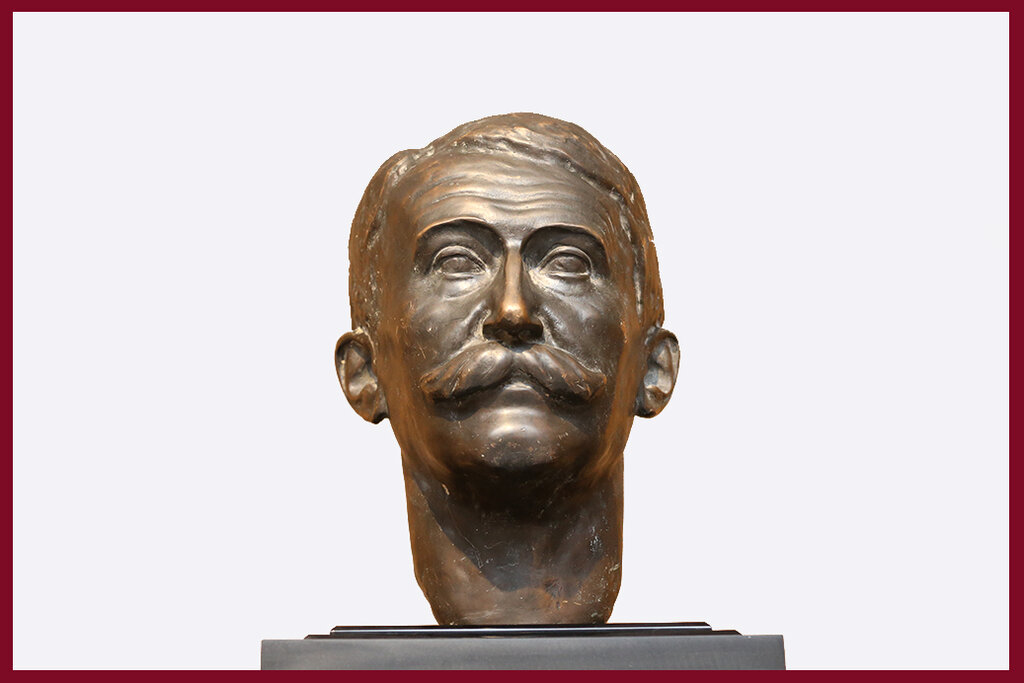
This new philosophy, which he termed Olympism, was designed to build character through a blend of physical prowess and moral discipline. However, there was a profound irony at the heart of his mission. Coubertin sought to promote international brotherhood, yet he did so by leaning heavily on the aristocratic values of the European elite. He believed that sport should be a pursuit of the 'well-born,' viewing it as a tool for the ruling class to refine their leadership and stamina. This created a paradox: the movement preached universal peace while remaining firmly rooted in a world of exclusionary, high-society privilege.
Olympism seeks to create a way of life based on the joy found in effort, the educational value of good example, and respect for universal fundamental ethical principles.
The Gatekeeping of Amateurism
To protect this vision, Coubertin championed the amateur ideal as the cornerstone of the movement. On the surface, amateurism was presented as a noble commitment to the 'love of the game.' In reality, it functioned as a sophisticated gatekeeping mechanism. By banning anyone who had ever accepted money for sports—including coaches or those who performed manual labor—the IOC effectively barred the working class from competing. A dockworker or a professional runner could not afford to take weeks off for training and travel without pay. Consequently, the early Olympics were largely a playground for wealthy men who had the leisure time and private funds to treat sport as a hobby rather than a livelihood.
As the movement grew, the fragile philosophy of Olympism began to drift toward a much larger and more dangerous force: nationalism. Coubertin’s dream of an international brotherhood was about to be tested by an era where the sports field became a proxy for the battlefield.
This tension between high-minded ideals and the reality of class exclusion set the stage for the 20th century. While the Olympic rings symbolized unity, the nations gathering beneath them were increasingly focused on proving their own cultural and physical superiority, a conflict that would soon threaten to tear the movement apart.