Okinawan Pre-War Jazz
Introduction to Jazz
The Birth of a New Sound
At the turn of the 20th century, a new sound began to bubble up from the vibrant, multicultural streets of New Orleans. This was jazz, a truly American art form born from a unique blend of musical traditions. African spirituals, work songs, and rhythmic traditions collided with European harmonies and instruments. The result was something entirely new.
Two key ingredients were ragtime and the blues. Ragtime, with its syncopated or “ragged” rhythms, provided a lively, complex piano style. The blues brought emotional depth, storytelling, and a musical structure known as the 12-bar blues. New Orleans, a bustling port city with a mix of African, French, Spanish, and Caribbean cultures, was the perfect crucible for these elements to fuse.
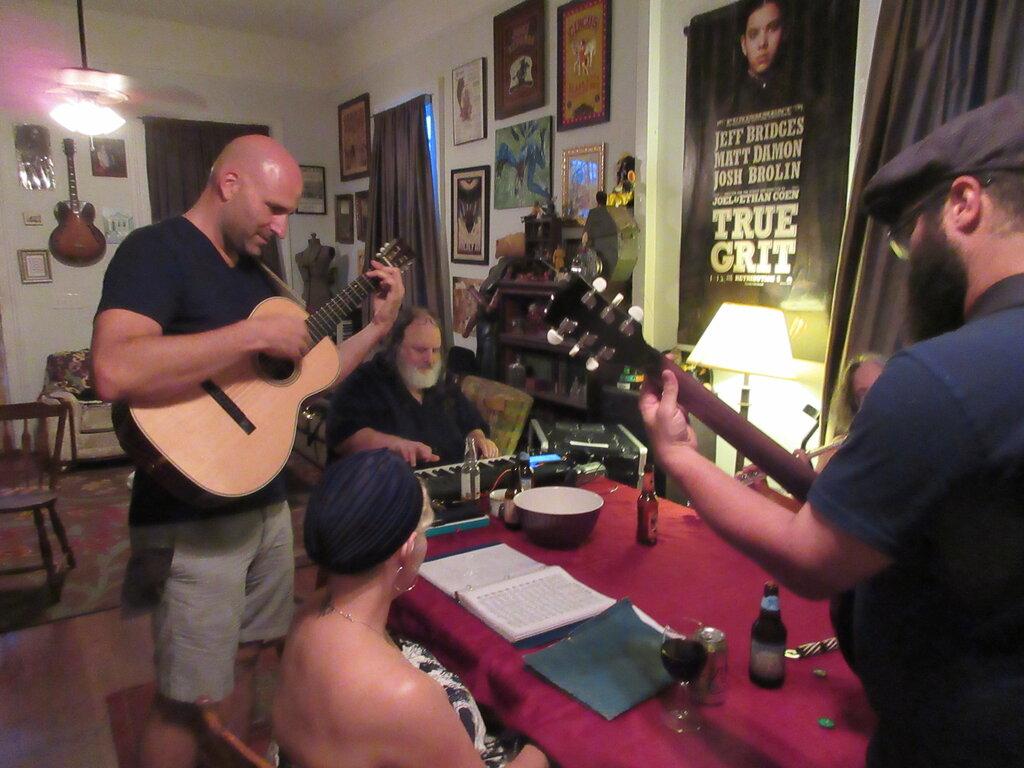
Early jazz was often played by small ensembles, featuring instruments like the cornet, clarinet, trombone, banjo, tuba, and drums. They performed everywhere from street parades to dance halls, creating a sound that was raw, energetic, and full of life.
Jazz is one of America’s greatest cultural achievements, despite originating from the nation’s most unfortunate cultural phenomenon–African Slavery.
What Makes It Jazz?
So, what gives jazz its distinct personality? Several key characteristics set it apart from other music. The most important is improvisation. Musicians often create melodies on the spot, making each performance unique. This spontaneous creation is like a musical conversation between the players.
improvisation
noun
The creative activity of immediate musical composition, which combines performance with communication of emotions and instrumental technique as well as spontaneous response to other musicians.
Another core element is syncopation. Imagine a steady, predictable beat. Syncopation is when musicians play notes off the main beats, creating a rhythmic surprise. It's what gives jazz its bounce and makes you want to tap your foot. It shifts the emphasis away from the strong beats to the weak ones.
Finally, jazz has a unique rhythmic feel known as “swing.” Instead of playing eighth notes evenly, musicians play them with a long-short, lilting pattern. This creates a forward momentum and a feeling of relaxed intensity. Call-and-response, a pattern where one musician plays a phrase and another responds, is also a common feature, echoing its roots in African musical traditions.
Improvisation, syncopation, and a swinging rhythm: these are the heartbeats of jazz.
From New Orleans to the World
Jazz didn't stay in New Orleans for long. As African Americans moved from the South to northern cities during the Great Migration, they took their music with them. Cities like Chicago and New York became new jazz hotspots. Trailblazing artists like Louis Armstrong rose to fame, transforming jazz with their virtuosity and innovative improvisations.
By the 1920s, often called the “Jazz Age,” the music was everywhere. The development of phonograph records and the spread of radio broadcasts allowed jazz to reach audiences across the country and around the globe. It was the sound of a new, modern era.
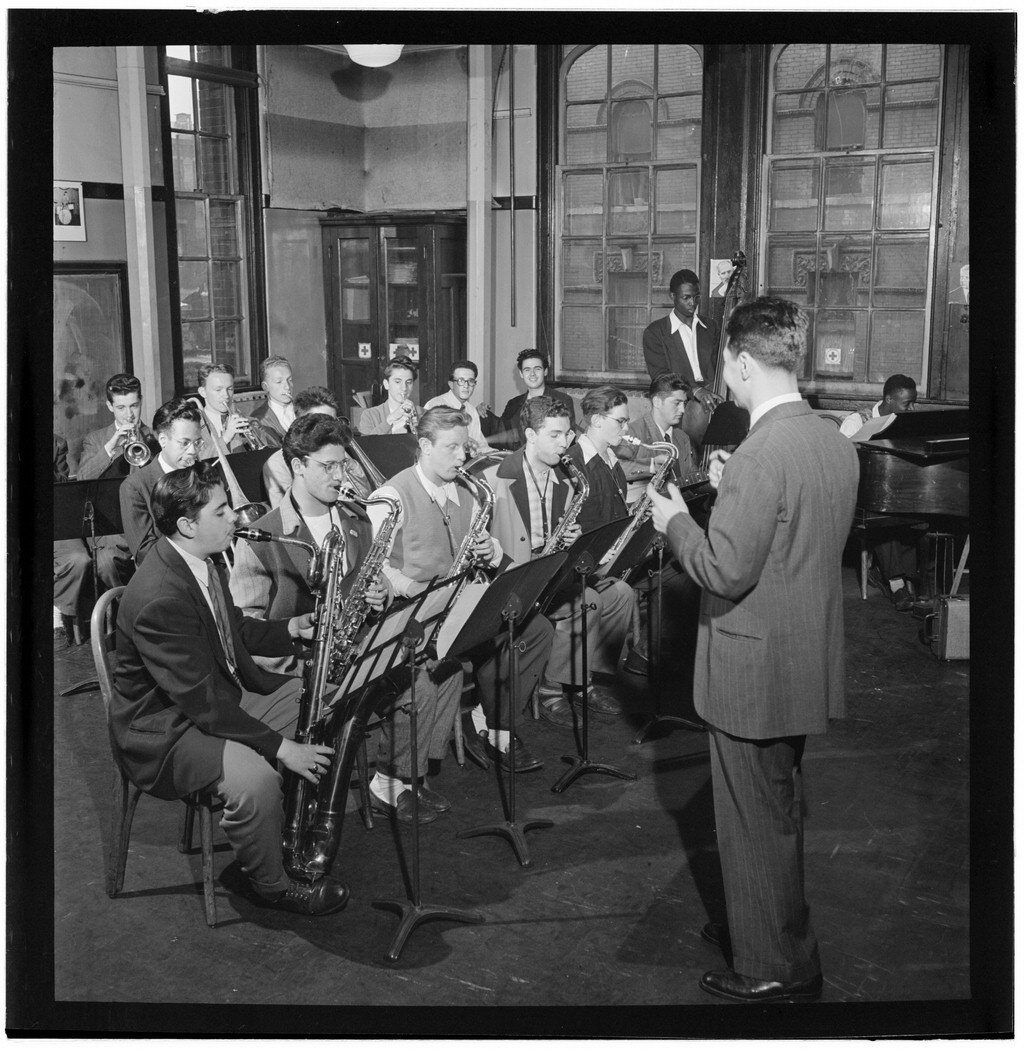
This global reach brought jazz to Japan. During the 1920s, Japan was experiencing a period of modernization and Westernization. Trans-Pacific steamships brought musicians, tourists, and recordings to port cities like Yokohama and Kobe. Japanese musicians who traveled abroad also brought back the new sound. Initially, it was a novelty, but jazz quickly found fertile ground in Japan’s dance halls and cafes, where local musicians began to imitate and then innovate upon the American style.
Now that you have a foundation in the history and characteristics of jazz, let's test your knowledge.
Which city is widely recognized as the birthplace of jazz, thanks to its unique blend of African, French, Spanish, and Caribbean cultures?
A musician spontaneously creating a melody during a performance is an example of which key characteristic of jazz?
Jazz is a rich and influential musical genre that continues to evolve. Its early days laid a foundation of innovation and cultural fusion that can still be heard in music today.