Oil Production Essentials
Introduction to Oil Production
From Ground to Gas Tank
Getting oil from deep within the Earth to a usable state is a complex journey. It's not as simple as sticking a straw in the ground. The process involves several major steps, from finding the oil in the first place to getting it ready for a refinery.
First, geologists explore for oil by studying rock formations and using techniques like seismic surveys, which are like giant ultrasounds of the Earth, to find underground pockets called reservoirs. Once a promising location is identified, a well is drilled to see if oil is actually there. If it is, the extraction, or production, phase begins. Finally, the raw material that comes out of the ground gets an initial cleanup before it's sent off for refining.
Drilling and Extraction
After geologists pinpoint a likely spot, a drilling rig is set up. These towering structures, called derricks, support the equipment that drills deep into the earth, sometimes for several miles. The drill bit, a tough cutting tool, chews through rock to reach the reservoir.
Once the well is drilled, it's time to get the oil out. In many new wells, the natural pressure inside the reservoir is enough to push the oil and gas up to the surface. Think of it like piercing a can of soda—the pressure inside forces the liquid out. This is called primary recovery.
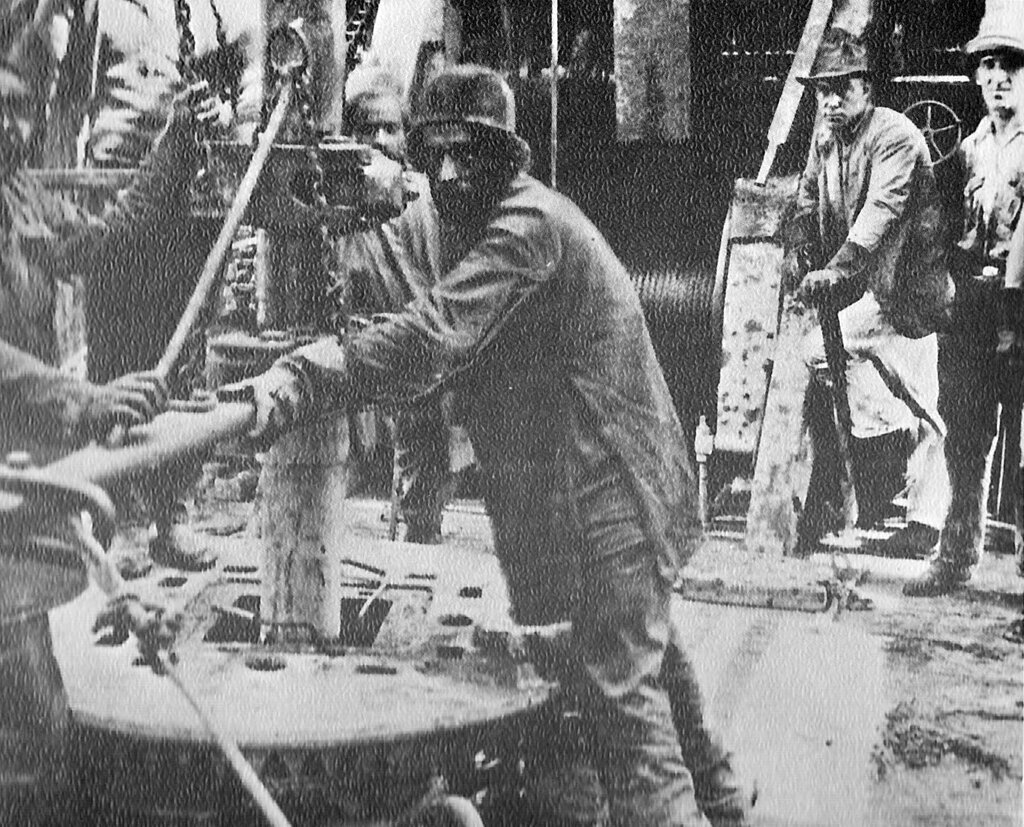
Over time, this natural pressure drops. To keep the oil flowing, producers might start injecting water or gas back into the reservoir to push more oil toward the well. This is known as secondary recovery. Often, you'll see a 'pumpjack'—the familiar bobbing horse head—mechanically lifting oil to the surface when the pressure is too low.
The First Cleanup
The fluid that comes out of the well isn't pure oil. It's a mix of crude oil, natural gas, salt water, sand, and other sediments. Before this mixture can be transported to a refinery, it needs to be separated. This initial processing happens at or near the well site.
The separation process takes advantage of a simple fact: oil, water, and gas don't mix well and have different densities.
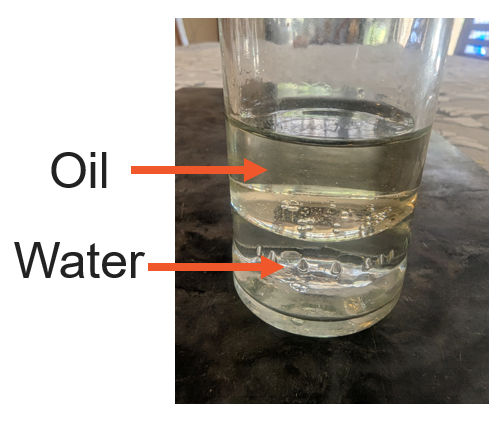
The mixture is sent into large vessels called separators. Inside, gravity does most of the work.
- Gas, being the lightest, rises to the top and is piped away.
- Water, being the heaviest, sinks to the bottom.
- Oil settles in the middle layer between the gas and water.
Once separated, the water is treated and disposed of, and the natural gas is either sent to a processing plant or used to power the production equipment. The relatively clean crude oil is stored in tanks, ready to be transported by pipeline, ship, or truck to a refinery. There, it will undergo the complex processes that turn it into gasoline, diesel, plastics, and thousands of other products.
This initial separation is a critical first step. It removes impurities that could damage pipelines and prepares the crude oil for the next stage of its journey.
Time to check your understanding of these initial steps in oil production.
What is the primary purpose of a seismic survey in oil exploration?
When the fluid mixture from a well enters a separator vessel, what is the correct order of the layers from top to bottom?
This covers the basic journey of oil from its discovery underground to its initial cleanup. These first steps are the foundation of the entire petroleum industry.