Oil Circuit Reclosers in Power Distribution
Introduction to Power Distribution Systems
Getting Power Where It Needs to Go
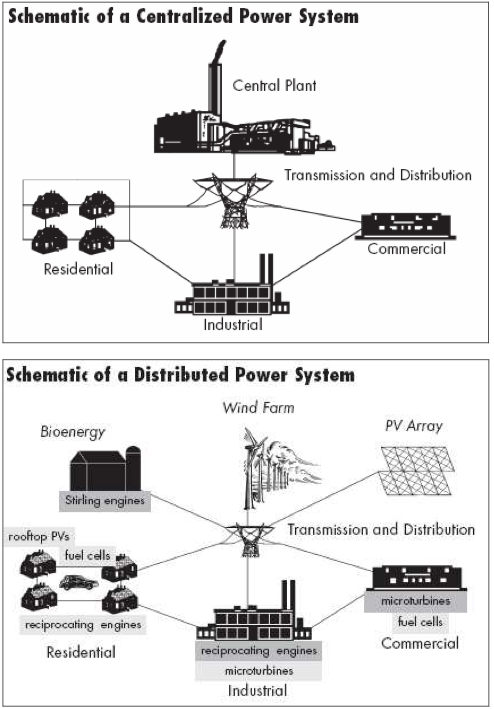
Think about the electricity you use every day. It doesn't just magically appear in your wall outlets. It travels a long journey from a power plant, through high-voltage transmission lines, and finally into your neighborhood. The last leg of this journey is handled by the power distribution system.
This system is like a network of local roads branching off a major highway. Its job is to take the high-voltage power from the main grid and “step it down” to a lower, safer voltage that your appliances can use. It’s the critical link that brings electricity to your home, school, and local businesses.
The Main Players
A power distribution system relies on a few key pieces of equipment to work safely and reliably. You’ve probably seen most of them without realizing it.
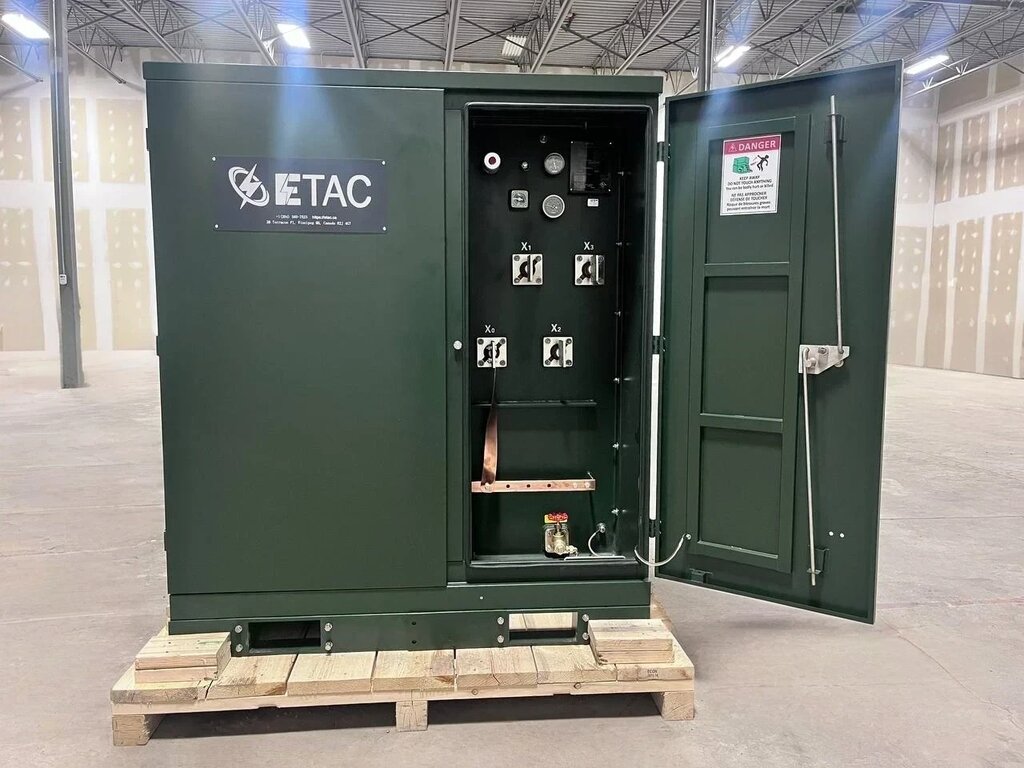
First up are transformers. These devices are essential for changing the voltage of the electricity. As power gets closer to its destination, it needs to be stepped down in stages. A large transformer at a substation might lower the voltage for an entire neighborhood, and a smaller one on a utility pole or a green box in a yard will lower it again for just a few houses.
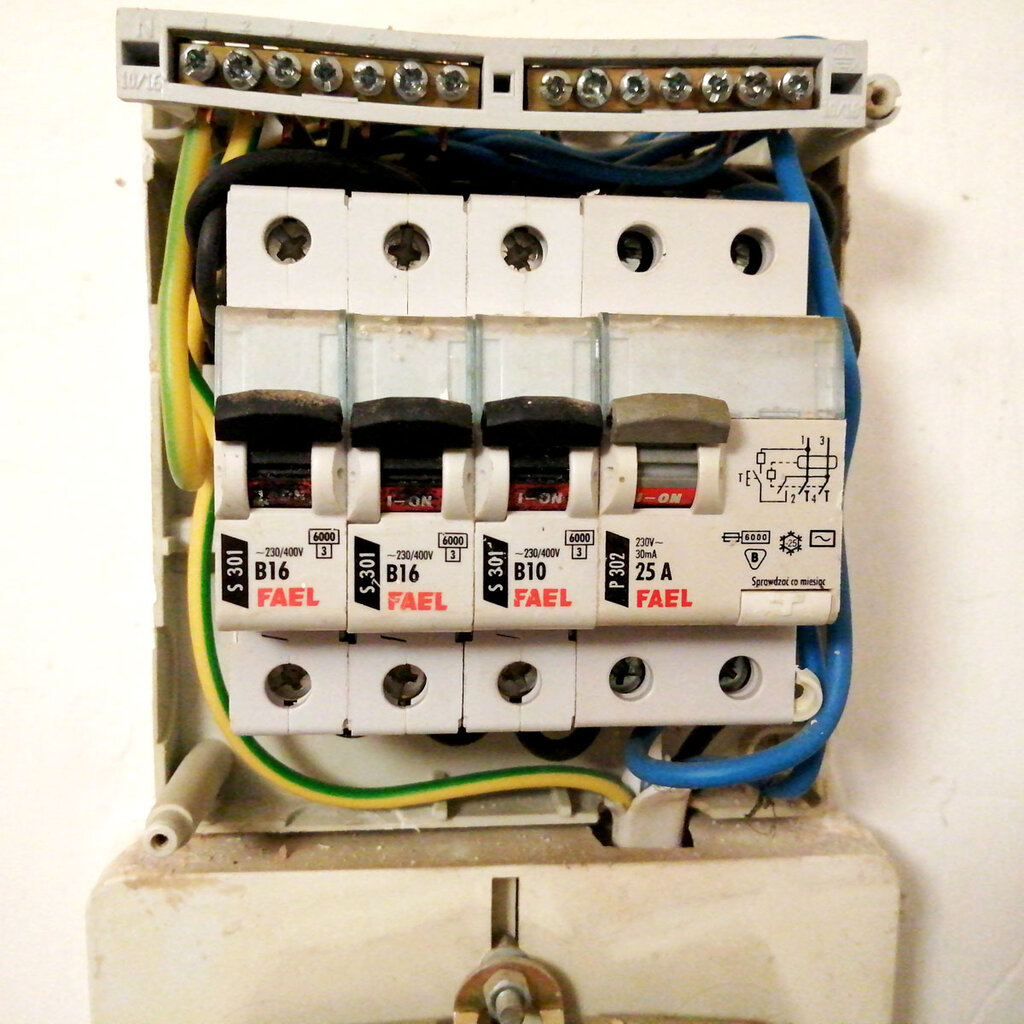
But what happens when something goes wrong, like a tree branch falling on a power line or a surge from a lightning strike? That's where protective devices come in. Their job is to automatically shut off the flow of electricity to prevent damage and keep people safe. The two most common types are circuit breakers and fuses.
Circuit Breakers: These are like smart, resettable switches. When they detect a problem (a "fault"), they trip open to interrupt the power. Once the problem is fixed, they can be reset to restore power.
Fuses: A fuse is a simpler, one-time-use device. It contains a thin piece of metal designed to melt and break the circuit if the current gets too high. Once a fuse blows, it has to be replaced.
Keeping the Lights On
Protective devices do more than just prevent fires and equipment damage. They are the guardians of system reliability. Without them, a small problem in one spot could cascade and cause a widespread blackout.
When a fault occurs, the nearest protective device is designed to act instantly, isolating only the affected part of the network. This ensures that the rest of the system can continue operating normally. It’s like closing a single leaky valve in a plumbing system instead of shutting off the water to the entire city.
By understanding these basic building blocks, you can appreciate the complexity and ingenuity behind the reliable power grid we depend on every day. Now, let's check your understanding of these core concepts.
What is the primary function of a power distribution system?
Which piece of equipment is specifically designed to change the voltage of electricity?
This system of transformers and protective gear ensures that electricity makes its final journey safely and efficiently from the grid to you.