Offshore Work Essentials
Offshore Industry Overview
Beyond the Horizon
When we think of industry, we often picture factories and office buildings on solid ground. But a vast and vital part of the global economy operates far from shore, out on the open water. This is the offshore industry, a collection of activities that harness the ocean's resources to power our world and feed its population.
From towering platforms drilling for oil miles beneath the seabed to fleets of turbines capturing wind energy, the offshore sector is a hub of advanced engineering and global commerce. It's a world built on human ingenuity, designed to function in one of Earth's most challenging environments.
Key Sectors at Sea
The offshore industry isn't just one thing; it's a mix of several key sectors, each with its own focus and technology.
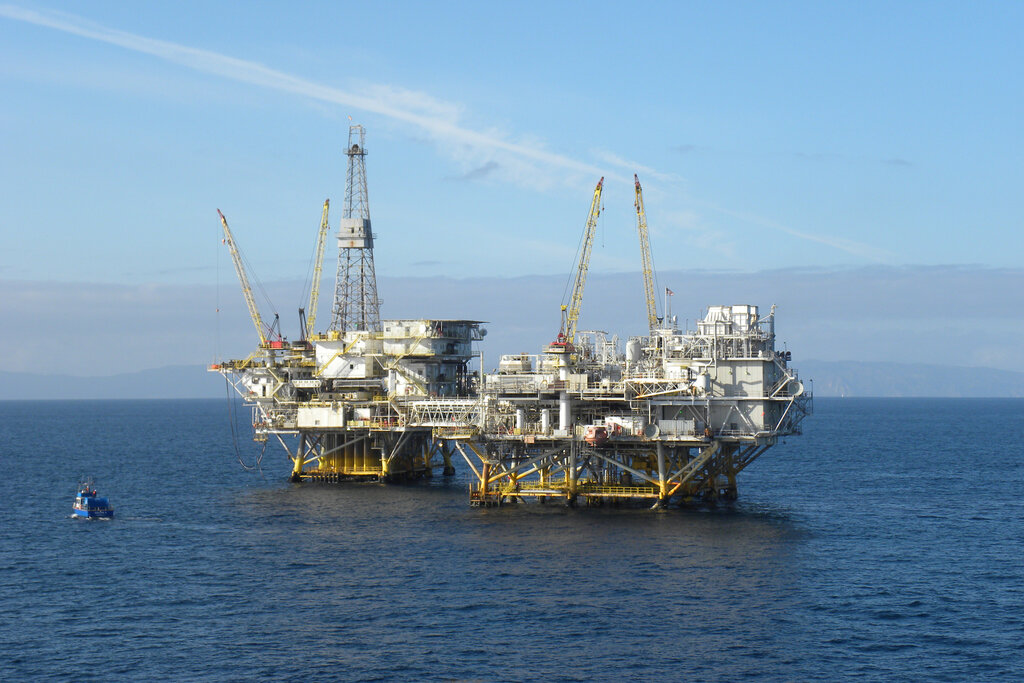
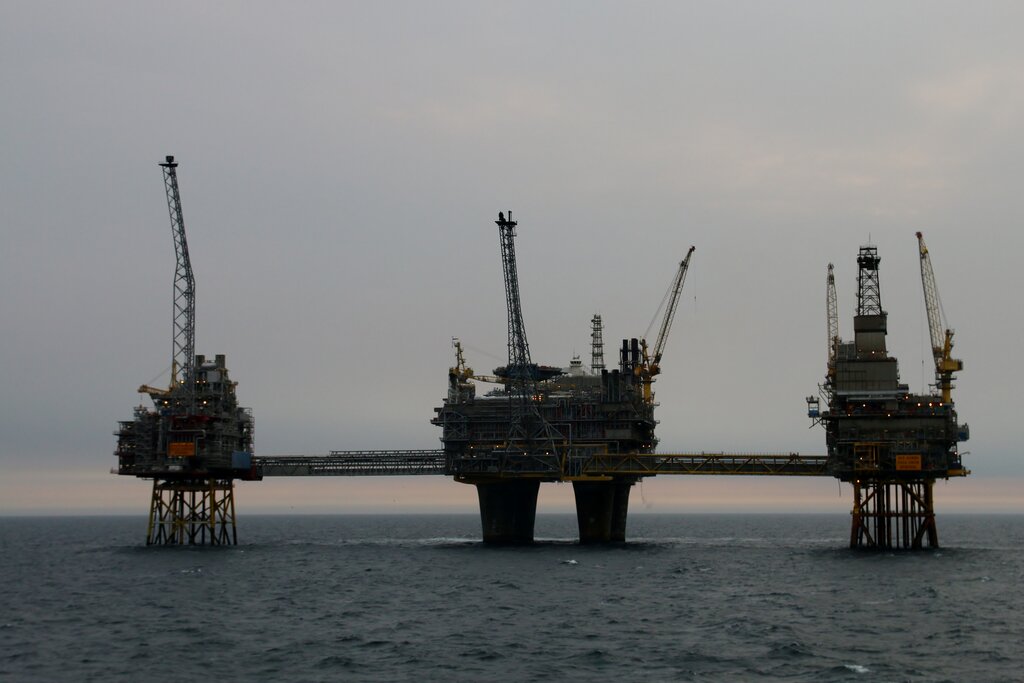
Oil and Gas: This is the most established part of the offshore industry. For decades, companies have been exploring for and extracting crude oil and natural gas from reservoirs buried deep below the ocean floor. This involves building massive production platforms, drilling wells, and laying extensive networks of subsea pipelines to bring the resources ashore.
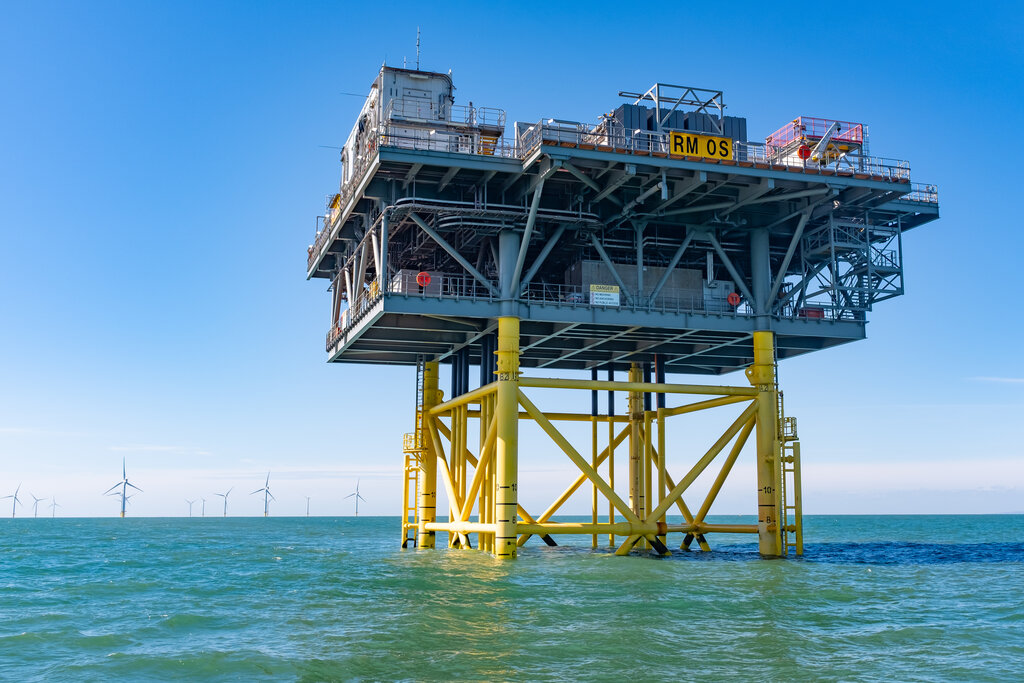
Renewable Energy: More recently, the ocean has become a new frontier for clean energy. Offshore wind farms are now a common sight in many parts of the world. These installations use turbines that are much larger and more powerful than their onshore counterparts, taking advantage of the stronger, more consistent winds found at sea. Other emerging technologies are also exploring ways to harness the power of waves and tides.
Aquaculture: The ocean is also a source of food. Offshore aquaculture, or fish farming, involves cultivating fish, shellfish, and seaweed in controlled environments in the open ocean. As the global demand for seafood grows, offshore farms provide a way to increase supply without putting more pressure on wild fish stocks.
Economic Impact
The economic influence of offshore activities is immense. These operations require huge investments in infrastructure, technology, and skilled labor, creating jobs and driving innovation. The energy produced offshore fuels transportation, heats homes, and powers industries across the globe.
The scope of this industry can also be observed in areas with major oil companies, where they form a significant percentage of a country's national GDP.
Entire coastal communities often depend on the support services for the offshore industry, from boat manufacturing and maintenance to logistics and catering. This creates a ripple effect, where the economic benefits extend far beyond the companies directly involved in exploration or production.
Infrastructure and Technology
Operating offshore requires specialized and incredibly resilient technology. The infrastructure must withstand harsh weather, corrosive saltwater, and immense pressures. Everything is bigger, stronger, and more complex.
Key infrastructure includes:
- Platforms: These can be fixed to the seabed in shallower waters or be designed as floating structures for deep-sea operations. They serve as the base for drilling, production, and often as living quarters for the crew.
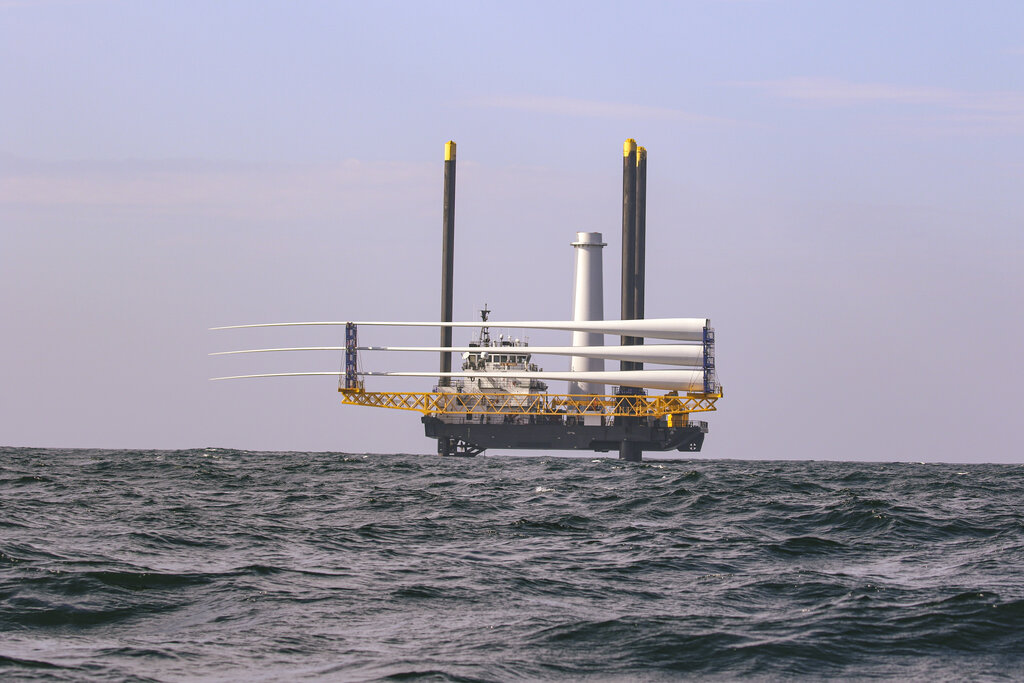
- Vessels: A diverse fleet of specialized ships is needed to support offshore work. This includes vessels for surveying the seabed, constructing platforms, laying pipelines, and transporting supplies and personnel.
- Subsea Systems: A lot of the critical technology is located on the ocean floor. This includes wellheads, pipelines, and remotely operated vehicles (ROVs) that can perform maintenance tasks in depths humans can't reach.
| Sector | Primary Infrastructure & Technology |
|---|---|
| Oil & Gas | Fixed/Floating Platforms, Subsea Wellheads, Pipelines, ROVs |
| Renewables | Wind Turbines, Offshore Substations, High-Voltage Cables |
| Aquaculture | Sea Cages, Automated Feeding Systems, Monitoring Buoys |
Ready to check your understanding?
Besides traditional energy extraction, what are two key sectors of the modern offshore industry mentioned in the text?
What is the primary function of Remotely Operated Vehicles (ROVs) in the offshore industry?
The offshore industry is a complex and dynamic field. By moving operations out to sea, we've unlocked vast resources that are crucial for meeting the world's energy and food demands.