Offshore Drilling Safety Systems
Introduction to Offshore Drilling
Heading Out to Sea
Vast reservoirs of oil and natural gas lie hidden deep beneath the ocean floor. Accessing them is one of modern engineering's greatest challenges. Offshore drilling is the process of extracting these resources, using massive structures that serve as both industrial sites and temporary homes for the crews who work there.
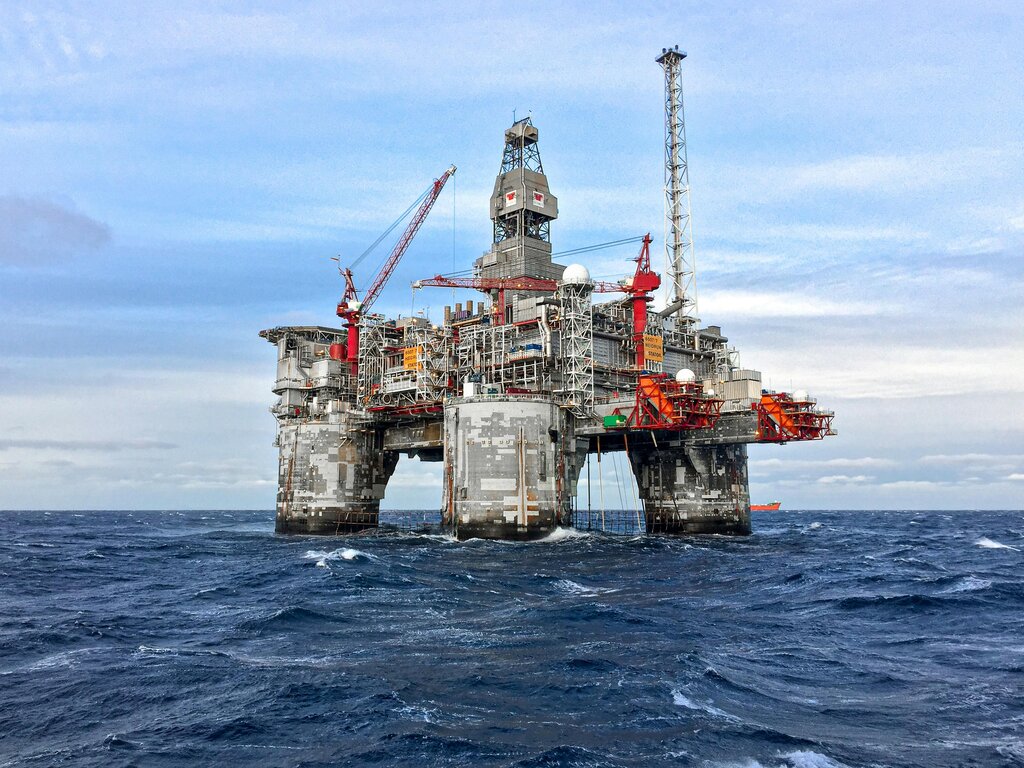
These operations run 24 hours a day, in some of the world's most remote and hostile environments. The type of equipment used depends almost entirely on one key factor: the depth of the water.
Rigs for the Job
Not all offshore rigs are the same. Engineers choose a specific type of rig based on how far it is from the sea surface to the seabed.
For shallower waters, up to about 150 meters (500 feet), the rig of choice is the jack-up rig.
A jack-up rig is a floating platform with long, retractable legs. When it reaches the drilling location, it lowers its legs to the ocean floor. A powerful jacking system then lifts the entire platform out of the water, creating a stable base high above the waves. This provides a solid foundation for drilling, unaffected by wind and currents.
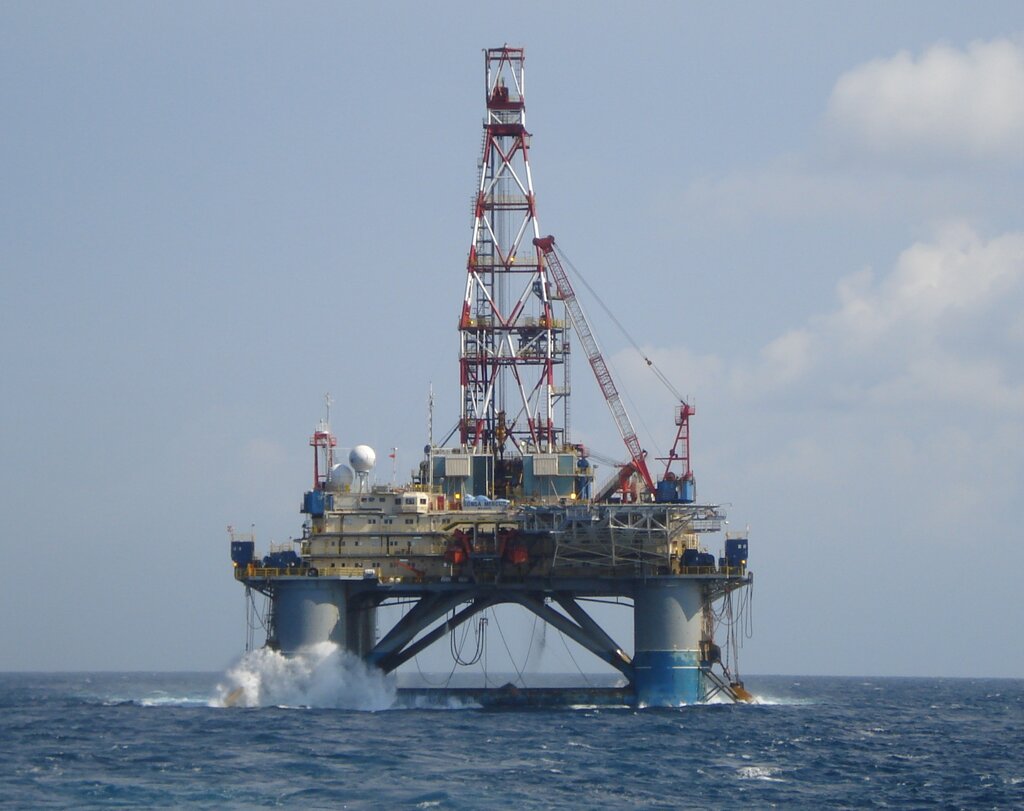
But what happens when the water is too deep for legs to reach the bottom? For depths up to 3,000 meters (about 10,000 feet), engineers turn to semi-submersible rigs. These massive platforms float on huge, submerged pontoons. Because the pontoons are deep beneath the surface, the rig isn't tossed around by waves, making it incredibly stable.
Semi-submersibles are held in position by powerful thrusters or a complex web of heavy anchors and mooring lines connected to the seafloor.
For drilling in the deepest parts of the ocean, known as ultra-deepwater, another solution is needed: the drillship.
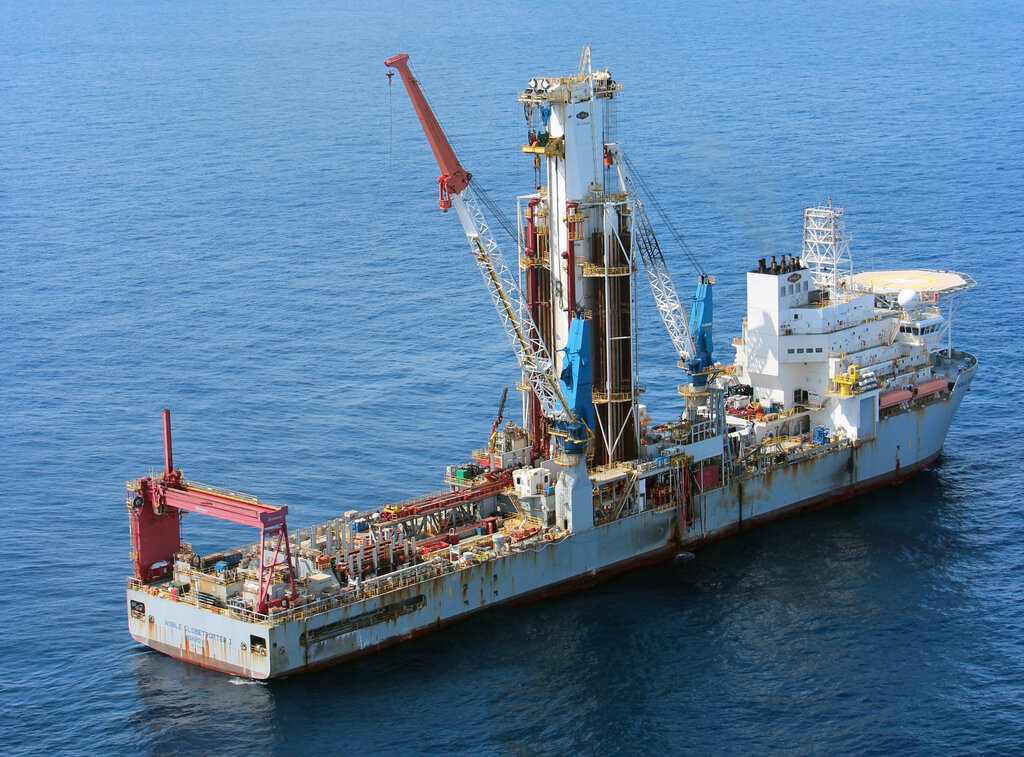
A drillship is exactly what it sounds like—a ship equipped with a drilling apparatus. Instead of anchoring, it uses a technology called dynamic positioning. GPS sensors and underwater acoustic beacons constantly track the ship's location. A computer system then controls a series of thrusters along the hull to keep the ship perfectly stationary over the well, even in strong currents or wind.
| Rig Type | Water Depth | Key Feature |
|---|---|---|
| Jack-up | Shallow (to ~150m) | Legs rest on seabed |
| Semi-submersible | Deep (to ~3,000m) | Floats on submerged pontoons |
| Drillship | Ultra-deep (3,000m+) | Ship-based, uses dynamic positioning |
Challenges at Sea
Offshore drilling is far more complex than drilling on land. The environment itself presents constant challenges.
Deepwater operations mean dealing with immense water pressure, freezing temperatures on the seabed, and the logistical difficulty of operating equipment thousands of meters below the surface.
Weather is a major factor. Hurricanes, rogue waves, and powerful storms can force operations to shut down and require personnel to evacuate. The structures must be built to withstand the most extreme conditions imaginable.
Furthermore, the equipment faces constant corrosion from saltwater, requiring specialized materials and rigorous maintenance. Every task, from drilling the well to managing the pressure of the reservoir, is magnified in difficulty by the unforgiving offshore setting.
What is the most critical factor engineers consider when selecting an offshore drilling rig for a specific location?
Which type of rig lifts its entire platform out of the water on legs that rest on the seabed?
Understanding these rigs and the challenges they face is the first step to appreciating the complexity of offshore energy exploration.