Offshore Cable Installation Essentials
Introduction to Subsea Power Cables
Power Lines Under the Sea
Imagine an extension cord stretching for miles across the ocean floor. That's essentially what a subsea power cable is. These are not your average household wires; they are high-tech, heavily armored conduits designed to transmit vast amounts of electricity under the water. Their main job is to move power from where it's generated to where it's needed, even if an ocean is in the way.
They are the vital links connecting offshore wind farms to the mainland, allowing us to harness the power of the wind far out at sea. They also act as interconnectors, linking the electrical grids of different countries. For example, a subsea cable running under the English Channel allows the UK and France to share electricity, making both of their power systems more stable and resilient.
Anatomy of a Cable
A subsea power cable is built in layers, like a tree trunk. Each layer has a specific job, working together to protect the precious electrical current flowing inside.
| Component | Material | Purpose |
|---|---|---|
| Conductor | Copper or Aluminum | Carries the electrical current. |
| Insulation | Cross-linked polyethylene (XLPE) | Prevents electricity from escaping and short-circuiting in the water. |
| Sheath | Lead or Aluminum | Provides a waterproof barrier to protect the insulation from the sea. |
| Armor | Steel Wires | Protects the cable from physical damage like ship anchors and fishing gear. |
| Outer Serving | Polypropylene or Asphalt | Holds the armor wires in place and provides a final layer of protection. |
Putting Cables to Work
The most common application for subsea cables today is in renewable energy. Offshore wind farms can generate enormous amounts of clean electricity, but that power is useless unless it can get to shore. Subsea cables are the highways that carry this energy from the turbines back to the homes and businesses that need it.
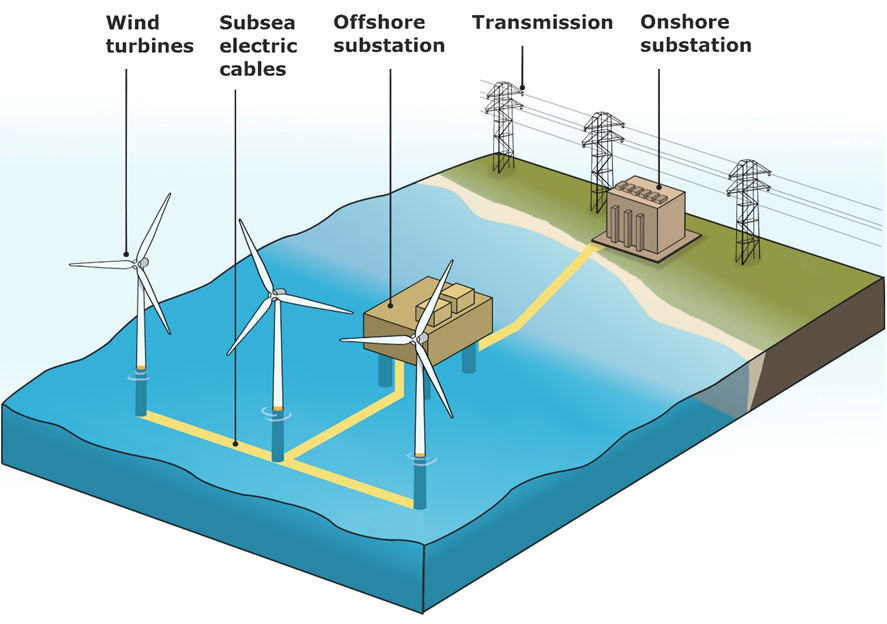
They also play a critical role in strengthening energy grids. By connecting islands to mainlands or linking different countries, these cables create a more robust and flexible energy network. If one country is experiencing high demand, it can import power from a neighbor with a surplus. This sharing of resources helps prevent blackouts and can lead to lower energy costs.
Deep Water Difficulties
Installing and maintaining a subsea power cable is a complex and expensive operation. Specialized ships, called cable-layers, are required to carefully unspool the massive cables and place them on the seabed. This process can be hampered by rough seas, strong currents, and a challenging underwater landscape of rocks and canyons.
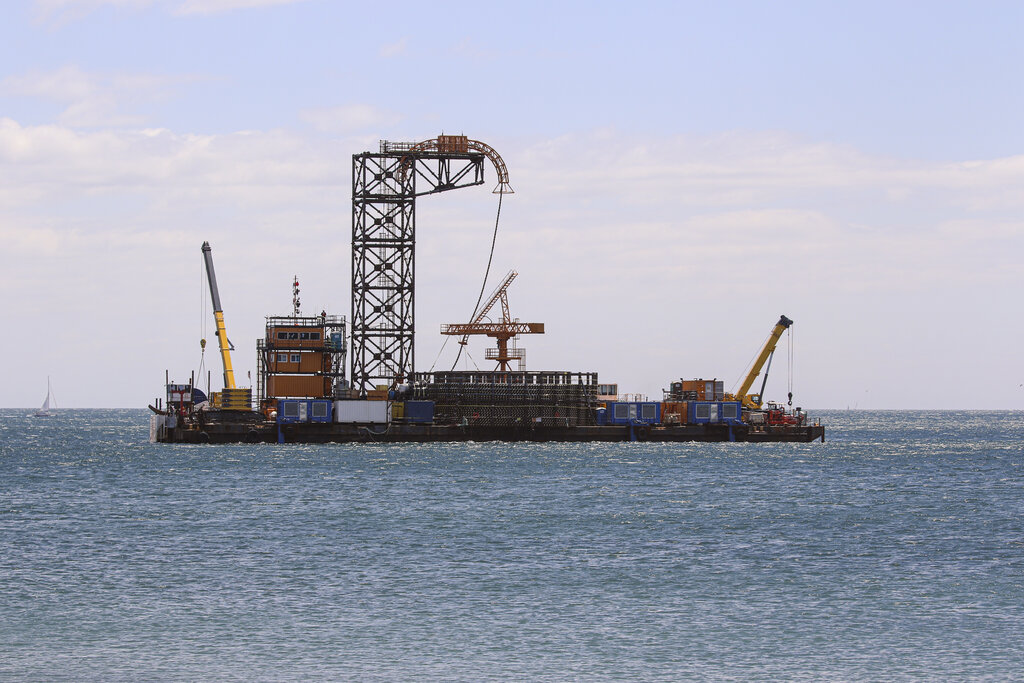
Once a cable is in place, it's not immune to problems. The biggest threats come from human activities. Ship anchors being dragged across the seafloor and commercial fishing equipment can snag and damage a cable, causing a power outage that is difficult and costly to repair. Engineers must carefully plan cable routes to avoid busy shipping lanes and fishing grounds, and often bury the cables under the seabed in high-risk areas for extra protection.
What is the primary function of a subsea power cable?
According to the text, what is a major modern application for subsea power cables?
These underwater links are a cornerstone of our modern energy infrastructure, quietly working beneath the waves to power our world.