Office Building HVAC Systems Explained
HVAC Basics
The Lungs of a Building
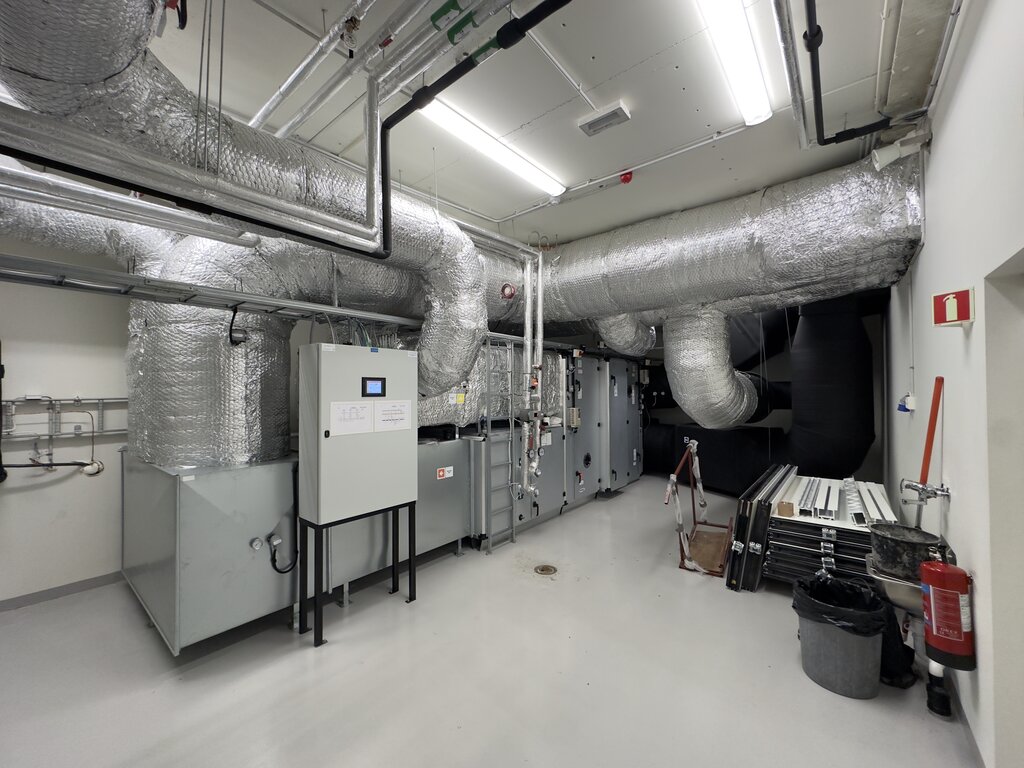
Every large building has a hidden system working constantly to keep us comfortable. It's the heating, ventilation, and air conditioning, or HVAC, system. Think of it as the building's respiratory system. It breathes in fresh air, exhales stale air, and maintains a steady internal temperature, much like our own bodies.
The main purpose of an HVAC system is to create and maintain a comfortable, healthy indoor environment.
In an office, this is crucial. A comfortable environment helps people focus and be productive. This system is a complex network of machines, ducts, and controls, usually tucked away in mechanical rooms, basements, or on rooftops. While you might only see a vent or a thermostat, there's a lot more going on behind the scenes.
The Core Components
HVAC systems are built around three main functions. Each plays a distinct role in managing the building's climate.
Heating
noun
The process of raising the temperature of an indoor space. This is typically done with a furnace, which burns fuel to heat air, or a boiler, which heats water that circulates through pipes.
The goal is to add warmth to the air during colder months, ensuring the indoor temperature remains comfortable.
Ventilation
noun
The process of replacing or exchanging air within a space. This provides better indoor air quality by removing moisture, odors, smoke, heat, dust, airborne bacteria, and carbon dioxide, while bringing in fresh, outside air.
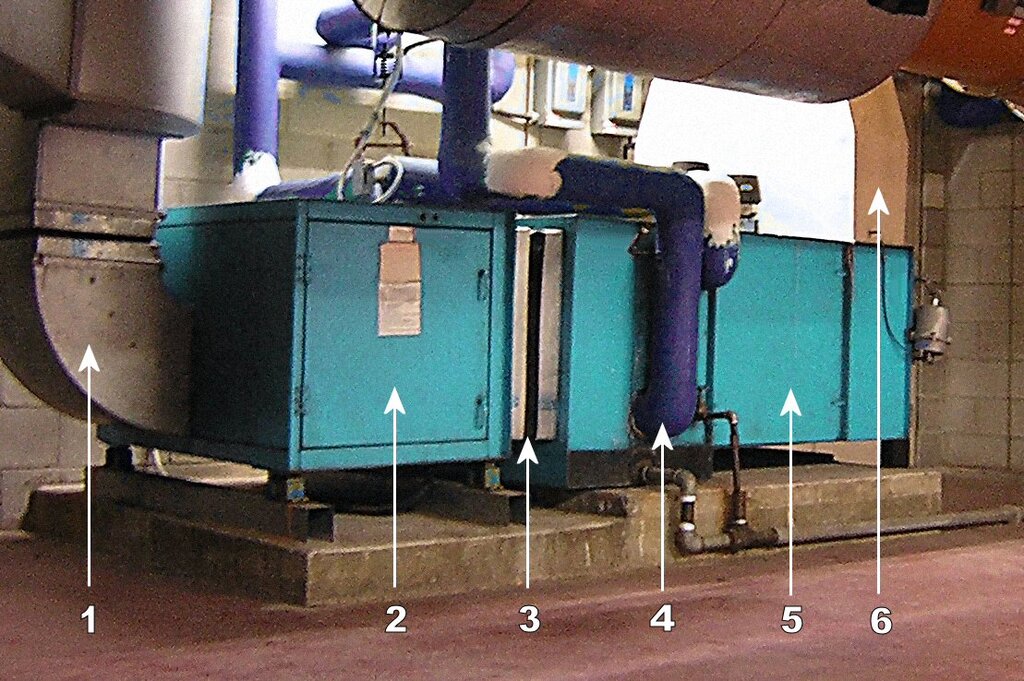
Ventilation is the key to good indoor air quality. It prevents the air from becoming stale and helps remove contaminants that can build up over time. This is done through a system of ducts and fans that move air throughout the building.
Finally, there's air conditioning.
Air Conditioning
noun
The process of removing heat and moisture from the interior of an occupied space to improve the comfort of occupants. It cools the air and also dehumidifies it.
Cooling systems, like central air conditioners or chillers, work by absorbing heat from the indoor air and transferring it outside. This process not only lowers the temperature but also helps control humidity.
The Brains of the Operation
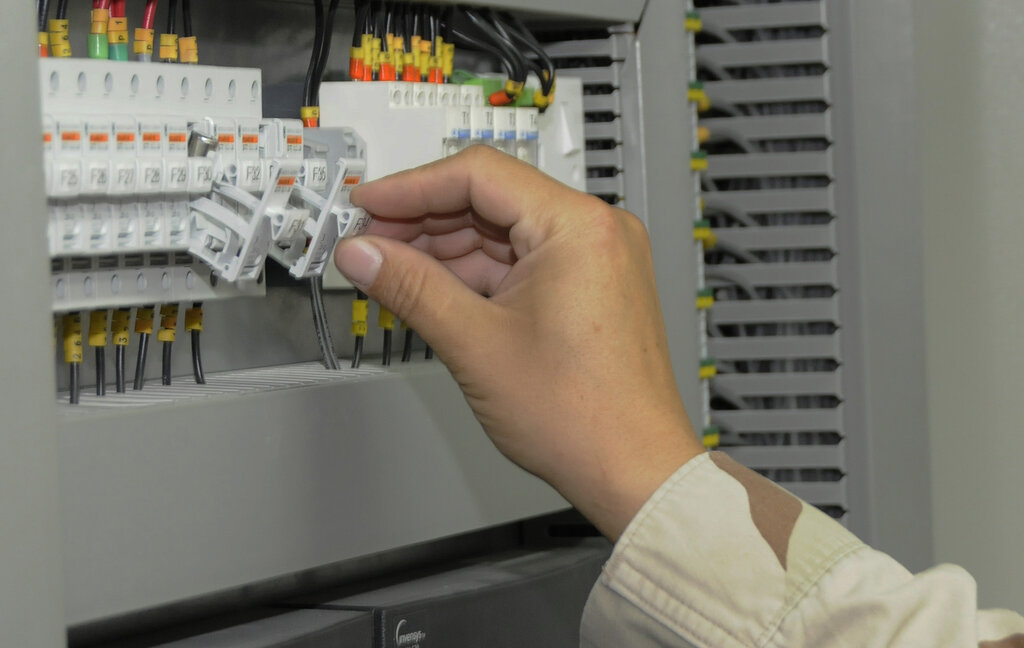
How does the system know when to heat, cool, or ventilate? That's the job of the control mechanisms. These are the thermostats you see on the wall and the complex automated systems behind them.
Control systems act as the brain. They use sensors to monitor the temperature and humidity inside the building. When conditions change, the control system tells the heating, ventilation, or air conditioning equipment to turn on or off to bring the space back to the desired setpoint.
These systems ensure everything works together efficiently. Without them, you'd have the heat and AC fighting each other, or the ventilation running when it's not needed.
A Big Energy User
Keeping a large office building comfortable requires a tremendous amount of energy. In fact, HVAC systems are one of the biggest energy consumers in commercial buildings.
Heating, Ventilation, and Air Conditioning (HVAC) systems account for approximately 38% of building energy consumption globally, making them one of the most energy-intensive services.
This massive energy footprint is why the design and operation of HVAC systems are so important. While we won't get into advanced strategies here, it's worth knowing that a significant part of modern building design focuses on making these systems more efficient to reduce costs and environmental impact.
Time to review what we've learned.