Off-Price Retail Store Hours and Labor Optimization
Off-Price Labor Economics
The Lean Operations Model
Off-price retailers like Ross or T.J. Maxx operate on a fundamentally different financial model than traditional department stores. The core difference lies in their operating expenses. A typical department store might spend 4% of its revenue on marketing alone. An off-price retailer, by contrast, often spends less than 0.5%. This isn't just a minor tweak; it's a completely different philosophy that shapes every decision, especially when it comes to labor.
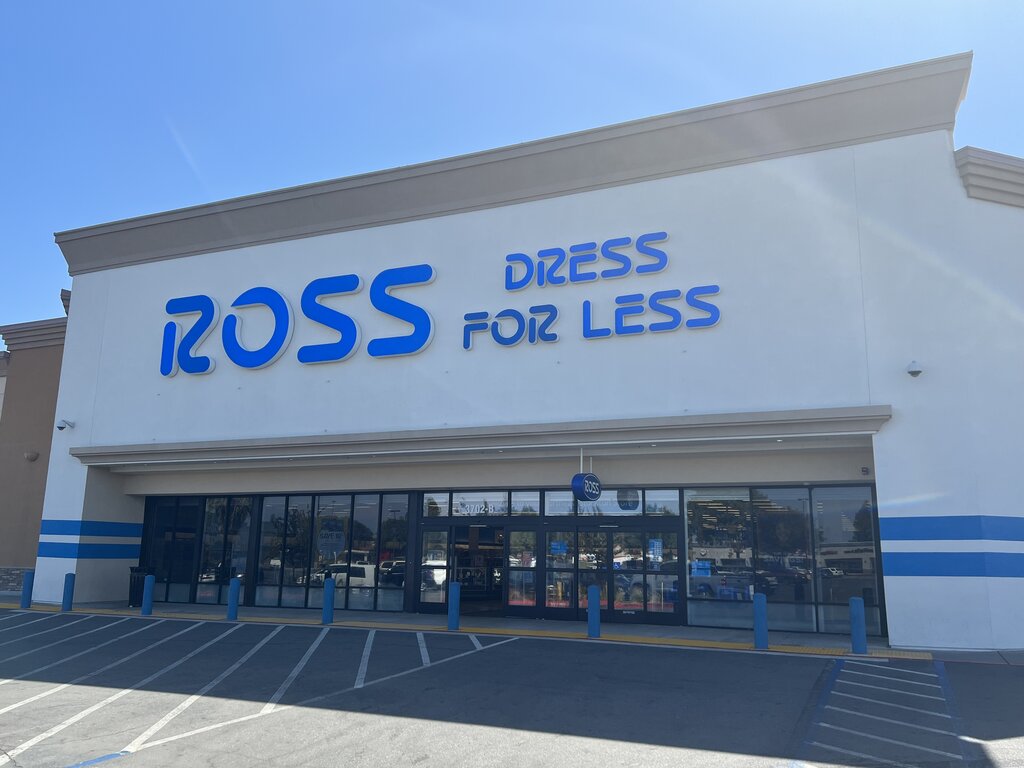
With such thin operating margins, every dollar counts. This financial pressure leads directly to the concept of Threshold Labor. This is the absolute minimum number of employees required to perform the basic functions of the store: open the doors, run the cash registers, and process merchandise. It's the staffing level needed to simply exist, with little room for extra customer service or specialized roles. The goal isn't to create an elaborate shopping experience, but to run a highly efficient sales floor.
If your operating margin is low, carefully examine overhead costs like salaries, utilities, and supply expenses.
Because labor is one of the largest controllable expenses, managers in this environment don't focus on abstract goals. They rely on hard data. The single most important metric for gauging operational health is Sales per Labor Hour, or SPLH.
Measuring Labor Productivity
SPLH tells a manager exactly how much revenue is generated for every single hour of paid labor. It cuts through all other variables and provides a clear measure of efficiency. If sales are high but labor hours are also high, the store might not be profitable. Conversely, if SPLH is strong, it means the team is generating a lot of revenue for a relatively low labor cost.
Another crucial metric is looking at labor cost as a direct percentage of sales. This helps in budgeting and ensures that staffing costs remain proportional to revenue. While SPLH measures productivity, this metric measures the direct financial burden of labor on the business.
These two metrics, SPLH and Labor Cost %, are the pillars of lean operations. They are constantly monitored and directly influence weekly scheduling. If a store's SPLH is too low or its labor cost percentage is too high, the immediate fix is to reduce scheduled hours. This direct link between real-time performance and staffing levels is how off-price retailers protect their thin margins and maintain profitability.
In the off-price model, labor isn't just an expense; it's a carefully managed asset measured in dollars per hour. The entire store's financial health depends on optimizing this ratio.
Impact on the Bottom Line
On a store's Profit & Loss (P&L) statement, labor is a major line item under operating expenses. By aggressively managing SPLH and keeping the labor cost percentage low, off-price retailers can offset their lower gross margins (which result from selling goods at a discount). A 1% reduction in labor cost as a percentage of sales can drop directly to the bottom line, significantly boosting a store's overall profitability. This relentless focus on labor efficiency is the engine that powers the entire off-price business model.
What is the most significant difference in the financial model of an off-price retailer like T.J. Maxx compared to a traditional department store?
The absolute minimum number of employees required to perform the basic functions of an off-price retail store is known as ________.
This cost-centric approach to labor defines the off-price sector, allowing stores to offer deep discounts while remaining profitable.