Odoo 19 Installation Guide
Introduction to Odoo 19
What is Odoo?
Odoo is a suite of business management software tools. Think of it as a central hub for running a company. Instead of using separate apps for sales, accounting, and inventory, Odoo brings everything together in one place. This type of all-in-one system is often called an Enterprise Resource Planning (ERP) system.
Because Odoo is open-source, its underlying code is publicly available. This allows for a global community of developers to contribute to its improvement and gives businesses the freedom to customize the software to fit their specific needs. It's designed to grow with a company, whether it's a small startup or a large corporation.
The Power of Modules
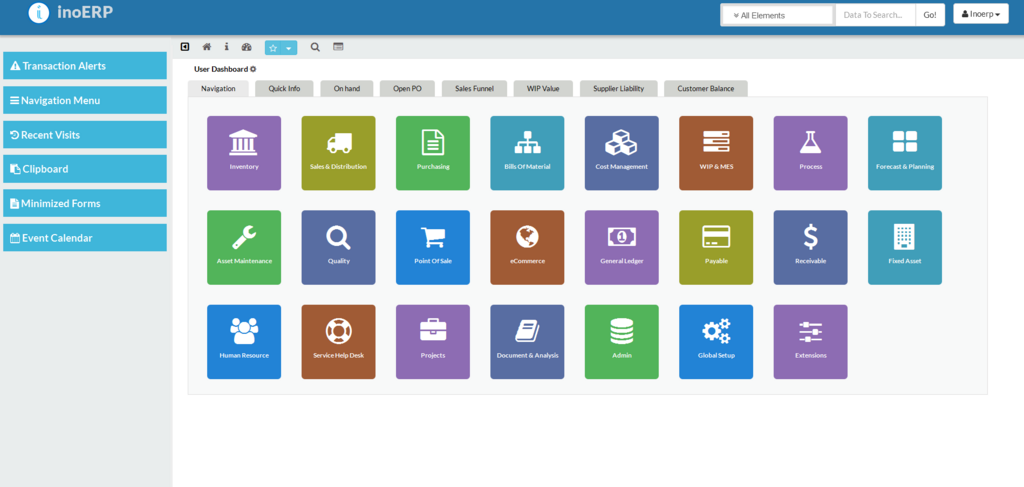
Odoo's main strength is its modular structure. Imagine a toolbox where you can pick and choose the exact tools you need. You don't have to carry around a heavy box with tools you'll never use. Odoo works the same way. You start with the basics and add new applications, or "modules," as your business grows or your needs change.
Odoo’s modular structure allows businesses to implement only the features they need, making it both flexible and scalable.
This approach prevents you from being overwhelmed by features you don't need. A new online store might start with the Website, Sales, and Inventory modules. Later, they might add the Manufacturing module if they start producing their own goods, or the Marketing module to run campaigns.
Key Functionalities
While there are hundreds of modules, most businesses rely on a core set of functionalities. Let's look at a few common examples.
Customer Relationship Management (CRM): This module is all about managing your interactions with potential and current customers. It helps sales teams track leads, schedule meetings, and see their sales pipeline at a glance, from the first contact to the final sale.
Accounting: The Accounting module automates tasks like creating invoices, tracking payments, and managing expenses. It gives you a real-time view of your company's financial health and helps generate reports for taxes or performance analysis.
Inventory Management: For any business selling physical products, this is essential. It tracks how much stock you have, where it's located (even across multiple warehouses), and automates purchasing from suppliers when stock gets low.
The real magic happens when these modules work together. A sale recorded in the CRM can automatically trigger an invoice in Accounting and a shipping order in Inventory. This seamless flow of information saves time and reduces errors.
One of Odoo’s key strengths is its seamless integration between different business modules, including Inventory, Sales, CRM, and Accounting.
This integration is the core of what makes an ERP like Odoo so powerful. It creates a single source of truth for all of your business operations.