Occupational Therapy Intervention Application
Introduction to Occupational Therapy
What is Occupational Therapy?
Occupational therapy, often called OT, helps people of all ages do the things they want and need to do through the therapeutic use of daily activities. The term “occupation” here isn’t just about jobs. It refers to all the meaningful activities that occupy our time.
Occupation
noun
In the context of occupational therapy, this refers to any meaningful activity a person engages in, including self-care, work, leisure, and social participation.
Think about your morning routine. Waking up, brushing your teeth, getting dressed, making breakfast—these are all occupations. So are going to school, playing a sport, working at a computer, or cooking dinner for your family. When an injury, illness, or disability makes it hard to do these things, an occupational therapist steps in.
They are problem-solvers who help people find ways to overcome challenges and live more independent and satisfying lives. The focus is always on what's important to the individual.
The ultimate goal of occupational therapy is to help people live their lives to the fullest by promoting health and preventing, or helping them live better with, injury, illness, or disability.
A Brief History
The roots of occupational therapy stretch back to the early 20th century. The profession grew out of the Arts and Crafts movement, which valued the therapeutic benefits of skilled, creative handiwork. Early practitioners believed that engaging in meaningful activities could restore a person's physical and mental health.
This idea was put into practice during and after World War I. Occupational therapists, then called “reconstruction aides,” worked with wounded soldiers. They used activities like woodworking, metalwork, and weaving to help soldiers recover physically and mentally, regain skills, and adjust to their injuries.
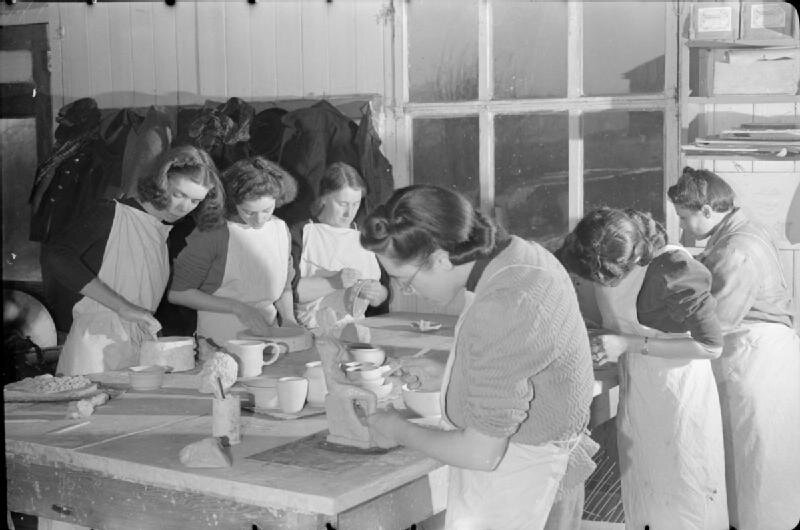
Over the decades, the profession evolved. It expanded beyond hospitals to schools, community centers, and private practices. The focus broadened from purely physical rehabilitation to include mental health, developmental disabilities, and the challenges of aging. Today, OT is a science-driven profession that uses evidence to guide its practice, but it has never lost its focus on the healing power of meaningful activity.
Core Principles and Values
Several core principles guide every occupational therapist. These values ensure that therapy is effective, respectful, and tailored to the individual.
| Principle | Description |
|---|---|
| Client-Centered Care | The client's unique experiences, values, and goals are at the center of all decisions. The therapist and client work together as a team. |
| Holistic Approach | Therapists look at the whole person, considering their physical, psychological, social, and environmental needs. |
| Occupation-Based Practice | The primary form of therapy is engagement in actual occupations. If a person wants to cook, the therapy involves cooking. |
| Evidence-Based Practice | Therapists use the best available research, their clinical expertise, and the client's preferences to make decisions about care. |
These principles ensure that therapy is not a one-size-fits-all solution. It's a personalized journey to help people regain function, adapt to new challenges, and participate in the occupations that give their life meaning.
The Occupational Therapy Process
When a person starts occupational therapy, they go through a structured process designed to achieve their specific goals. This process is collaborative and dynamic, changing as the client's needs change. It generally follows three main steps.
First is the evaluation. The OT gathers information by talking to the client, observing them performing tasks, and using standardized assessments. The goal is to understand the client's strengths, limitations, and what they hope to achieve.
Next comes the intervention. Based on the evaluation, the OT develops a personalized plan. This plan includes specific goals and the therapeutic activities that will be used to meet them. An intervention for a child with autism might involve play activities to improve social skills, while an intervention for an older adult after a stroke might focus on adapting their home to make cooking safer.
Finally, the process focuses on outcomes. The OT continuously monitors the client's progress toward their goals. This helps determine if the intervention is working and allows for adjustments to the plan. The ultimate outcome is for the client to participate more fully in their desired occupations.
Now, let's review what you've learned about the fundamentals of occupational therapy.
In the context of occupational therapy, what does the term "occupation" primarily refer to?
The occupational therapy process follows three main steps in a specific order. What is the correct sequence?
This foundation sets the stage for understanding the specific theories and models that occupational therapists use to guide their practice.