Occupational Health for Meat Workers in France
Introduction to Occupational Medicine
The Doctor for Your Work Life
Occupational medicine is the branch of healthcare focused on the well-being of people at work. Its goal is simple: to prevent injuries and illnesses caused by the workplace and to promote the overall health of employees.
Think of it as a specialized field, much like pediatrics is for children or geriatrics is for the elderly. Occupational health professionals look at the intersection of two complex worlds: a person's health and their job. They don't just treat problems after they happen. They work to understand the risks of a specific job and find ways to make it safer.
This field covers everything from preventing repetitive strain injuries in an office to protecting factory workers from chemical exposure.
From Ancient Mines to Modern Factories
The idea that jobs can affect health isn't new. As far back as ancient Greece and Rome, observers noted that miners and other laborers suffered from specific ailments. But the field truly began to take shape with the work of Italian physician Bernardino Ramazzini in the late 17th century. He started asking his patients a groundbreaking question: “What is your occupation?”
Ramazzini is now considered the father of occupational medicine. He systematically studied the diseases of different workers, from potters to painters, and linked their health problems directly to their work environments.
The Industrial Revolution in the 18th and 19th centuries dramatically highlighted the need for worker protection. Factories were filled with dangerous machinery, poor ventilation, and hazardous materials. Workers, including children, faced long hours and brutal conditions. These challenges spurred the creation of the first labor laws and safety regulations.
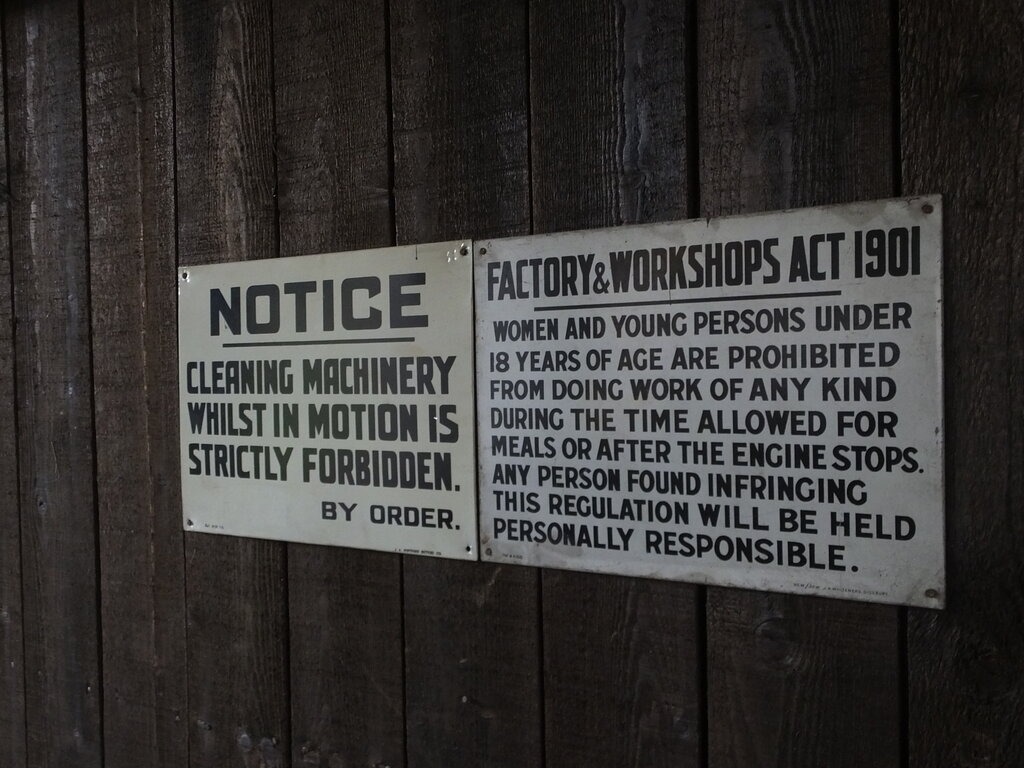
By the early 20th century, pioneers like Alice Hamilton in the United States investigated toxic exposures to lead, mercury, and other substances in industrial trades. Her work, along with growing social awareness, led to the establishment of government agencies and international bodies dedicated to workplace safety. This historical journey built the foundation for the modern principles we rely on today.
How It Works in Practice
Modern occupational health follows a structured approach to keep workers safe. The core strategy can be broken down into four key steps: Anticipation, Recognition, Evaluation, and Control.
Hazard
noun
A potential source of harm or adverse health effect on a person or persons.
Here's what each step involves:
-
Anticipation: This is about looking ahead. Before a new process, material, or piece of equipment is introduced, professionals try to predict what hazards it might create.
-
Recognition: This involves identifying existing hazards. It could be anything from a noisy machine that could damage hearing to a poorly designed workstation that could cause back pain.
-
Evaluation: Once a hazard is recognized, it needs to be measured. How loud is the machine? How much of a certain chemical are workers exposed to? This step involves collecting data to understand the level of risk.
-
Control: This is the action step. After a risk is understood, measures are put in place to eliminate or reduce it. These measures are often applied in a specific order, known as the hierarchy of controls.
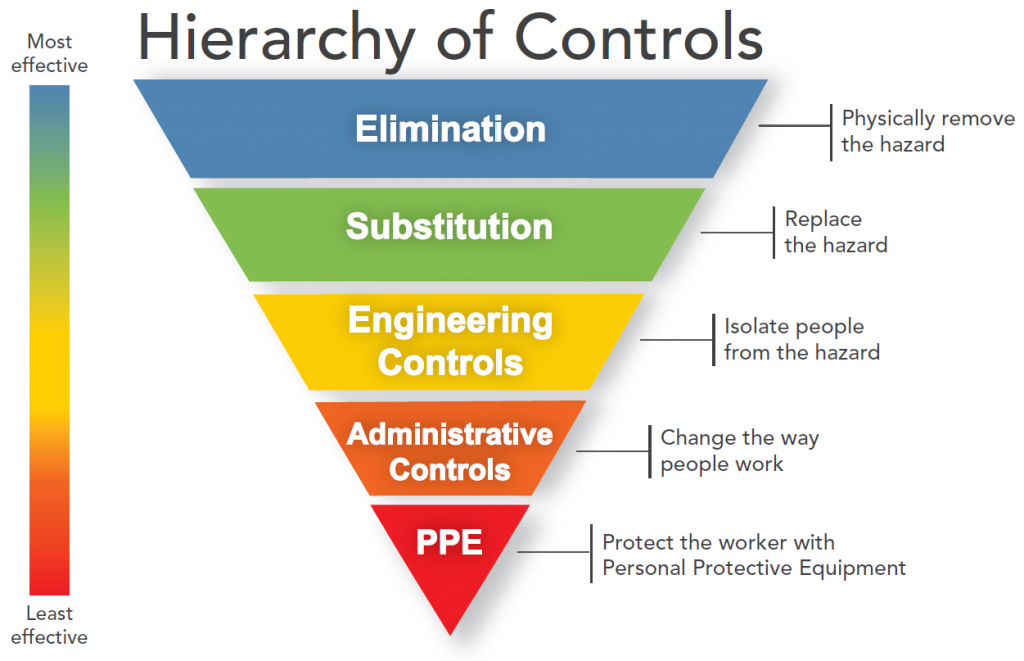
The most effective solution is to eliminate the hazard completely. If that's not possible, the next best thing is substitution, like replacing a toxic chemical with a safer one. Engineering controls involve changing the physical environment, such as adding a ventilation system. Administrative controls change how people work, like rotating jobs to limit exposure. The last line of defense is Personal Protective Equipment (PPE), such as gloves or masks.
The People Keeping You Safe
A range of professionals work together in this field. Occupational physicians and nurses provide clinical care, from treating work-related injuries to conducting health screenings. Industrial hygienists are the experts in evaluating workplace exposures to chemical, physical, and biological agents. Ergonomists focus on designing workstations and tasks to fit the worker, preventing musculoskeletal problems. Safety professionals work to prevent accidents and injuries by identifying unsafe conditions and behaviors.
These experts often work as consultants, either within a company or as external advisors. An occupational health consultation is a crucial tool for businesses. During a consultation, specialists assess the work environment, review safety procedures, and provide recommendations. This proactive approach helps companies comply with regulations, reduce injuries, and create a healthier, more productive workplace for everyone.
Time to check what you've learned.
What is the primary goal of occupational medicine?
Who is considered the 'father of occupational medicine' for being the first to systematically link specific diseases to workers' jobs by asking them, “What is your occupation?”
Occupational medicine is a vital, collaborative field dedicated to ensuring that a person's job doesn't come at the cost of their health.