Occupational Health and Safety Fundamentals
Introduction to OHS
The What and Why of OHS
At its core, occupational health and safety (OHS) is about one simple idea: everyone deserves to go home from work safe and sound. It's a field dedicated to the well-being of people at work, focusing on preventing injuries, illnesses, and fatalities.
Occupational Health and Safety
noun
A multidisciplinary field concerned with the safety, health, and welfare of people at work. It aims to foster a safe and healthy work environment.
This isn't just about avoiding accidents. Effective OHS practices have a ripple effect. For employees, it means peace of mind and the ability to perform their jobs without fear of harm. For organizations, it leads to higher morale, better productivity, and a stronger reputation. When people feel safe, they are more engaged and focused. It's a fundamental part of a healthy, functioning business.
A Look Back in Time
The need for formal OHS standards became painfully clear during the Industrial Revolution. Factories sprung up, and with them came new, unprecedented dangers. People worked long hours with dangerous machinery, often in poorly lit and ventilated spaces. Accidents were common and considered by many to be just another cost of doing business.
Early efforts to improve conditions were slow and met with resistance. Reformers, labor unions, and socially conscious leaders began pushing for change, leading to the first workplace safety laws. These early regulations were basic, but they planted the seed for the comprehensive systems we have today.
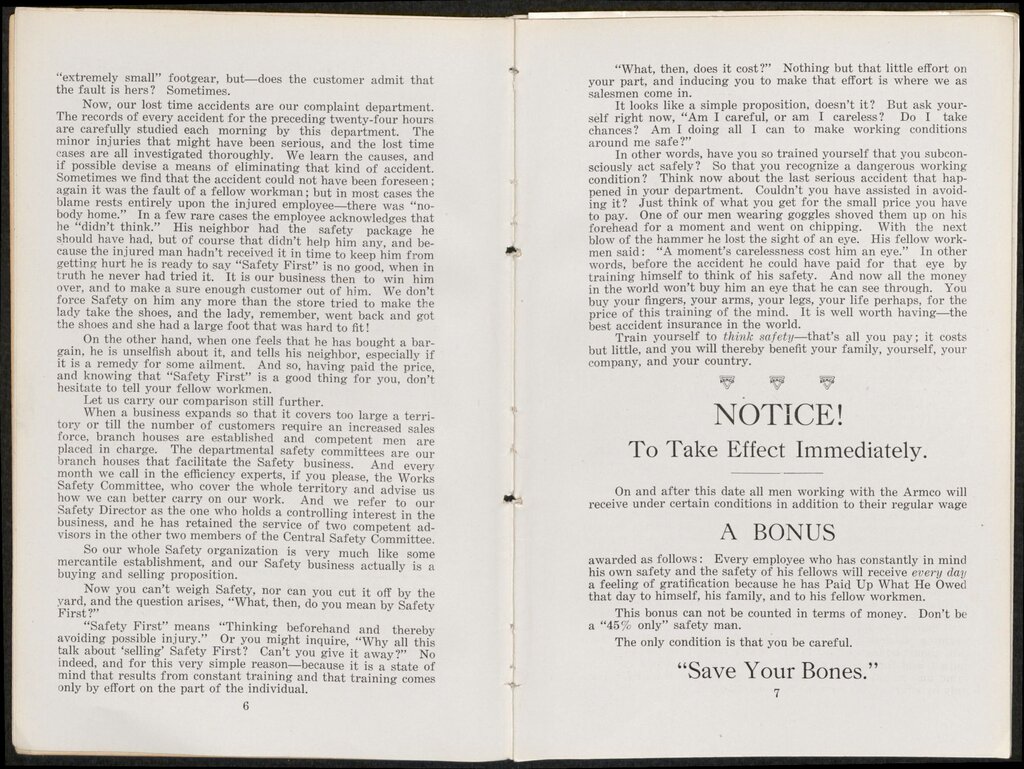
Over the decades, a reactive approach of simply responding to accidents has evolved. The focus has shifted toward proactively identifying and controlling hazards before they can cause harm. This change in mindset is the foundation of modern OHS.
Core Objectives
The goals of OHS go beyond just putting up warning signs. The ultimate aim is to create a work environment where risks are managed and well-being is prioritized. We can think of these goals in three main categories.
First is Prevention. This is the proactive part, where potential hazards are identified and eliminated or controlled before an incident occurs. Second is Protection, which involves providing safeguards for workers when hazards cannot be completely eliminated. Finally, there's Promotion, which is about creating a positive environment that supports the overall health and well-being of the workforce, including mental and social health.
Global Efforts for Safer Work
Workplace safety is a global concern. To help standardize practices and protect workers everywhere, international organizations play a vital role. The most prominent of these is the International Labour Organization (ILO), a specialized agency of the United Nations.
The ILO was founded in 1919 with the belief that universal and lasting peace can be established only if it is based upon social justice. It brings together governments, employers, and worker representatives from 187 member states to set labor standards, develop policies, and devise programs promoting decent work for all.
Through its Conventions and Recommendations, the ILO provides a framework for countries to develop their own national OHS laws and policies. While these are not always legally binding on their own, they set an international benchmark for best practices and put pressure on countries to improve their standards.
The ILO's primary goal is to promote opportunities for women and men to obtain decent and productive work, in conditions of freedom, equity, security, and human dignity.
Another key player is the World Health Organization (WHO), which also addresses occupational health. The WHO defines occupational health as an area of work in public health to promote and maintain the highest degree of physical, mental and social well-being of workers in all occupations. Often, the ILO and WHO collaborate to tackle global workplace health issues.
Safety as a Part of Culture
Ultimately, rules and regulations can only go so far. The most effective OHS programs are those that are deeply embedded in an organization's culture. This means moving beyond a checklist mentality to a state where safety is a shared value.
A strong safety culture is one where everyone, from the CEO to the newest hire, feels responsible for their own safety and the safety of their colleagues. It's an environment where people are encouraged to speak up about potential hazards without fear of reprisal. Communication is open, trust is high, and there's a collective commitment to continuous improvement.
Building this culture doesn't happen overnight. It requires consistent leadership, employee involvement, and a genuine belief that safety is not just a priority, but a core value of the organization.
Let's check your understanding of these foundational concepts.
What is the fundamental principle of occupational health and safety (OHS)?
The need for formal workplace safety laws became widely apparent during which historical period?
Understanding these principles is the first step toward creating safer and healthier workplaces for everyone.