Occupation Versus Economic Activity
Introduction to Economic Activity
What Is Economic Activity?
At its core, economic activity is the process of making things. It includes every action that results in goods or services. Think about making a sandwich. You combine bread, cheese, and turkey to create a meal. That's a tiny act of production.
Now, scale that up. A factory building cars, a software developer writing code, a farmer growing corn, or a teacher leading a class—these are all examples of economic activity. They all involve combining inputs like labor, materials, and knowledge to produce something of value.
Simply put, if it's about producing a good or providing a service, it's economic activity.
Market vs. Non-Market
Economists often split these activities into two main categories: market and non-market. The difference is simple: is someone getting paid?
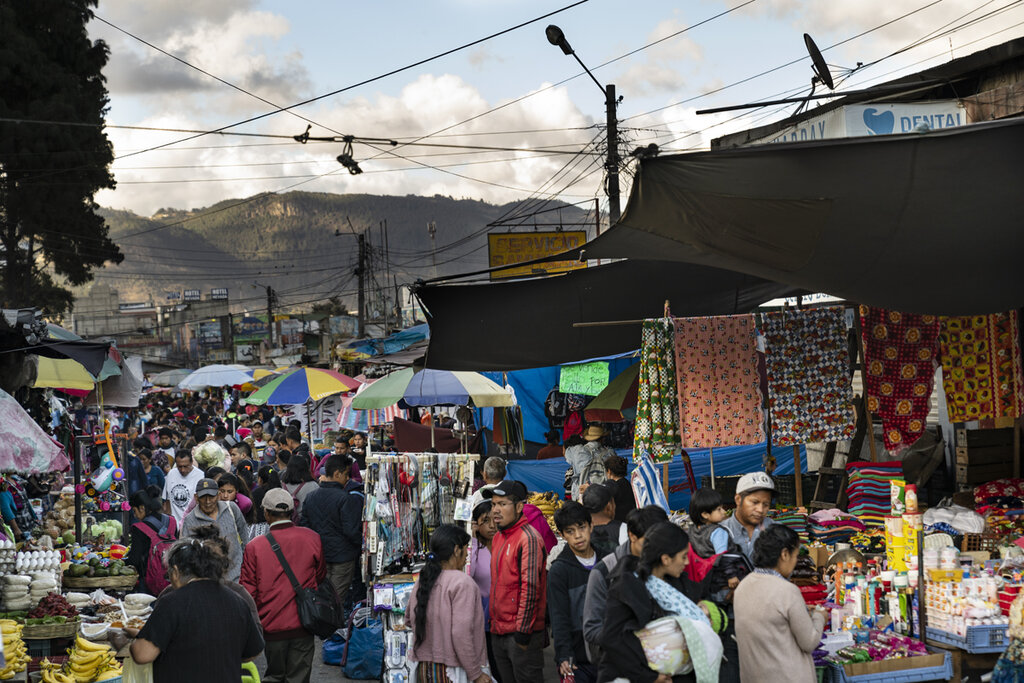
Market activities are done for remuneration, meaning payment or profit. When a baker sells a loaf of bread, that's a market activity. The goal is to exchange the good for money. This includes most jobs, from being a doctor to driving a taxi.
Non-market activities are things we produce for our own use. If you grow tomatoes in your backyard for your own salads, that's non-market production. You're creating a good, but it's not for sale. Other examples include cooking your own dinner, cleaning your house, or fixing a leaky faucet yourself.
Both types of activities are crucial. Market activities are what we typically measure when we talk about the economy's size, but non-market activities form the foundation of our daily lives and well-being. Without them, we'd have to pay for every single thing we need.
| Activity | Market | Non-Market |
|---|---|---|
| Baking bread | Selling it at a bakery | Baking it for your family |
| Childcare | Working at a daycare | Watching your own children |
| Car repair | Working as a mechanic | Fixing your own car's flat tire |
| Growing food | Selling produce at a farm stand | Tending a personal garden |
Putting It All Together
Every day, you participate in both market and non-market economic activities. You might go to a job (market activity) to earn money. With that money, you buy groceries (another market activity). Then you go home and cook dinner (a non-market activity).
All of these actions, big and small, paid and unpaid, are the building blocks of the economy. They represent the constant flow of production and consumption that defines how a society provides for itself.
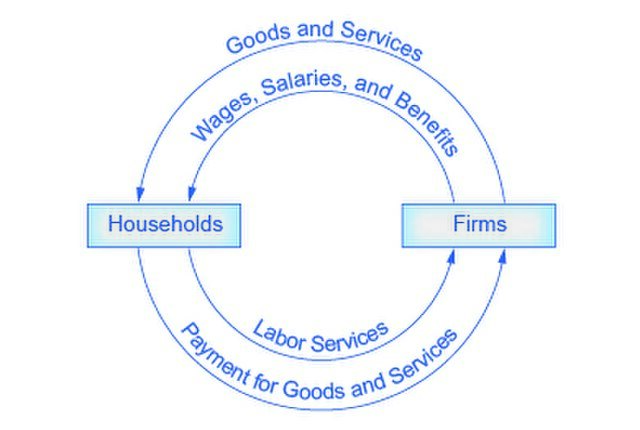
Understanding this distinction helps us see the full picture of how value is created. It's not just about what's bought and sold; it's about all the work that goes into sustaining our lives and communities.