Oboe.com Explained
Introduction to Digital Advertising
Advertising in the Digital Age
Think about the last time you saw an ad. Was it on a billboard, in a magazine, or on your phone? Chances are, it was on a screen. Digital advertising is simply the practice of delivering promotional content to people through online channels like websites, social media, and search engines.

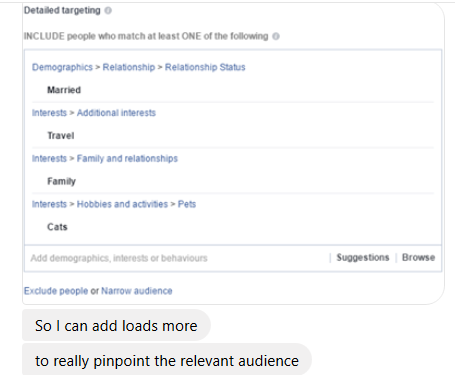
Unlike a TV commercial that airs to millions of viewers at once, digital ads can be shown to very specific groups of people. This shift from broadcasting a single message to many, to delivering personalized messages to individuals, is what makes digital advertising so powerful. It has fundamentally changed how businesses connect with potential customers.
Where Digital Ads Appear
Digital ads come in many forms and show up across the internet. Here are some of the most common channels.
Search Engine Marketing (SEM): These are the ads you see at the top of a Google or Bing search results page. They're designed to catch you right when you're looking for something specific.
Social Media Advertising: Platforms like Facebook, Instagram, and LinkedIn are masters at this. They use the information you share—your interests, age, location, and more—to show you ads they think you'll find relevant. It's why you might see an ad for hiking boots after liking a post about a national park.
Display Advertising: These are the visual banner or pop-up ads you see on websites and apps. They're like the digital version of a magazine ad, using images and text to grab your attention while you're reading an article or playing a game.
Video Ads: These ads play before, during, or after videos on platforms like YouTube. They can range from short, six-second clips to longer, more story-driven commercials.
The Advantages of Going Digital
Why have so many businesses shifted their advertising budgets online? The benefits over traditional methods are significant.
The first major advantage is targeting. A company selling high-end kitchen knives can choose to show its ads only to people who have shown an interest in cooking, live in a certain income bracket, and are between the ages of 30 and 50. This level of precision is impossible with a newspaper ad.
Reaching the right audience in the right way is the key to success in digital marketing.
The second key benefit is measurement. With digital advertising, you can track almost everything. You know exactly how many people saw your ad, how many clicked on it, and how many went on to make a purchase. This real-time feedback allows advertisers to see what's working and what isn't, and to adjust their strategy on the fly. A billboard owner can only guess how many people drove by; a digital advertiser knows.

How Success Is Measured
To understand campaign performance, advertisers rely on a few key metrics. These numbers tell the story of how an ad is doing.
| Metric | What It Means |
|---|---|
| Impressions | The total number of times an ad is displayed on a screen. |
| Clicks | The number of times people clicked on an ad. |
| Click-Through Rate (CTR) | The percentage of impressions that result in a click. (Clicks ÷ Impressions) |
| Cost Per Click (CPC) | The average amount an advertiser pays for each click. |
| Conversion | When a user completes a desired action, like signing up or buying a product. |
By watching these metrics, a marketing team can make informed decisions. If an ad has a lot of impressions but a low CTR, the creative might not be compelling enough. If the CPC is too high, they might need to adjust their targeting to find a more receptive audience. It's a constant process of testing and optimizing.
Now, let's test your knowledge of these foundational concepts.
What is the primary advantage of digital advertising when compared to traditional methods like television commercials?
You are browsing a news website and see a visual banner ad for a new car in the sidebar. This is an example of ______ advertising.
Understanding these basics is the first step into the world of digital marketing. From here, advertisers build complex strategies to reach customers and grow their brands in the vast online ecosystem.