Oboe vs NotebookLM
Oboe Overview
The Oboe's Voice
Before an orchestra plays a single note, one instrument rises above the quiet chatter. It plays a clear, steady A, and every other instrument tunes to its pitch. That instrument is the oboe. Its sound is bright, penetrating, and full of character, which is why it's trusted to lead the orchestra in tuning.
The unique sound of the oboe comes from a special device called a double reed. This is where all the magic starts.
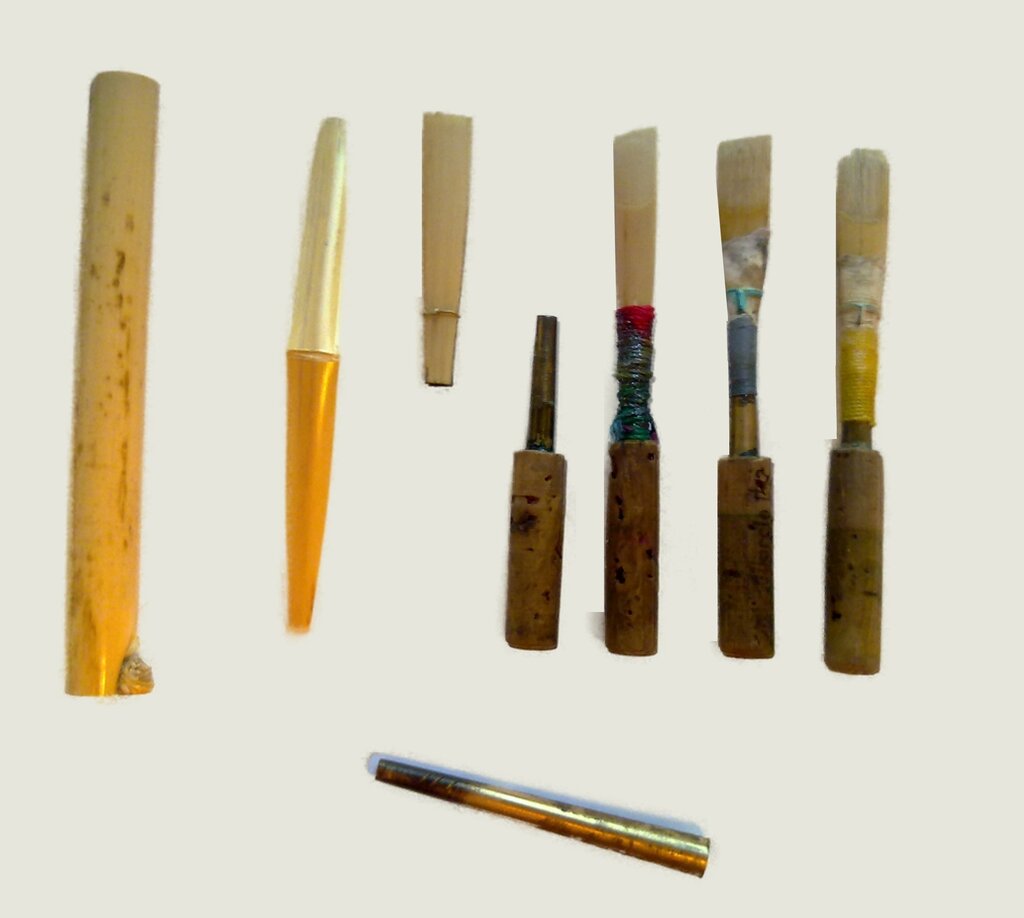
An oboist blows air through two thin pieces of cane that are tied together. These pieces, known as the double reed, vibrate rapidly against each other. This vibration creates the sound wave that travels down the instrument's body. Unlike a clarinet's single reed that vibrates against a mouthpiece, the oboe's two reeds vibrate against each other, creating a rich and complex tone.
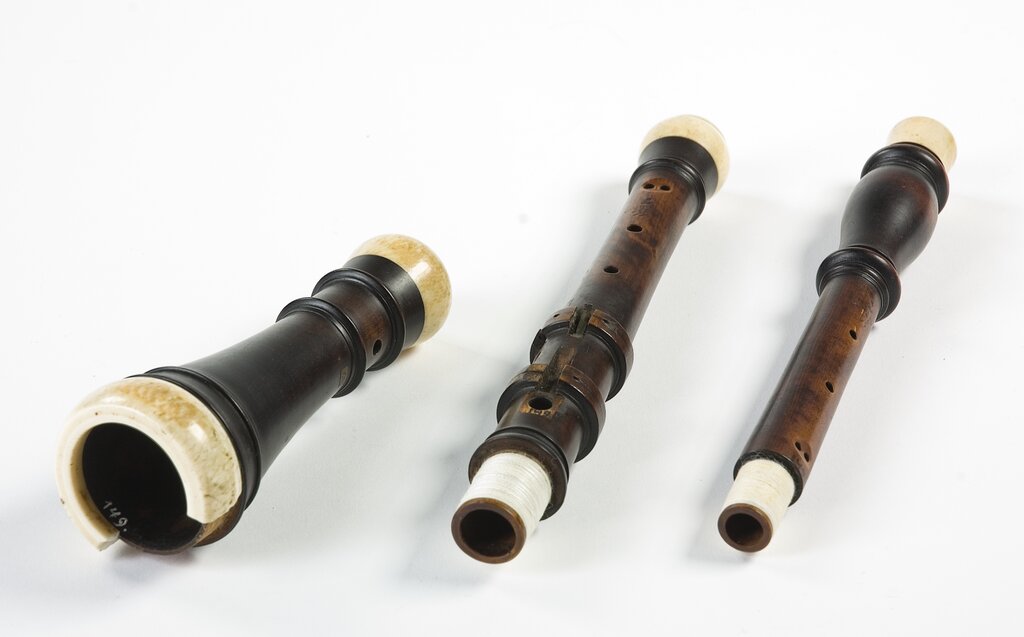
The body of the oboe is typically made from Grenadilla, a dense, dark wood from Africa. It's built in three main sections: the upper joint, the lower joint, and the bell. These pieces fit together to form a long, slender tube. This tube has a conical bore, meaning it gradually widens from the top to the bell at the bottom. This shape is crucial for the oboe's distinct sound.
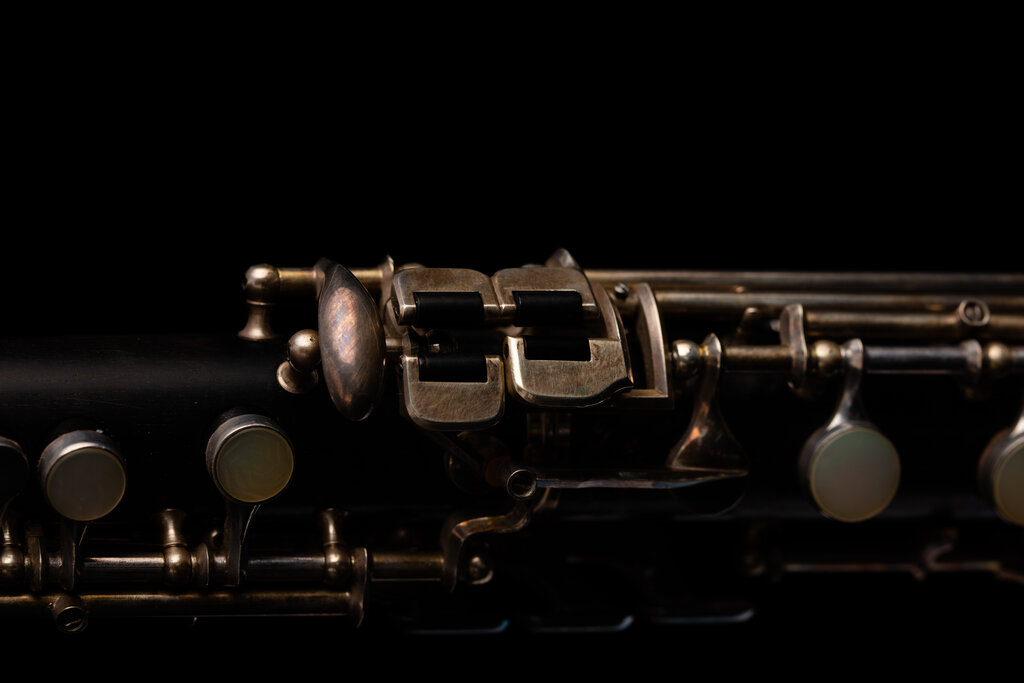
To play different notes, the oboist presses keys made of silver or nickel-silver. This intricate system of keys, pads, and levers opens and closes holes along the instrument's body. By changing the length of the air column inside the oboe, the player changes the pitch.
From Shawm to Symphony
The oboe didn't appear out of nowhere. Its ancestor is an older instrument called the shawm, which was popular during the medieval and Renaissance periods. The shawm was a loud, powerful instrument, often used for outdoor ceremonies and military bands.
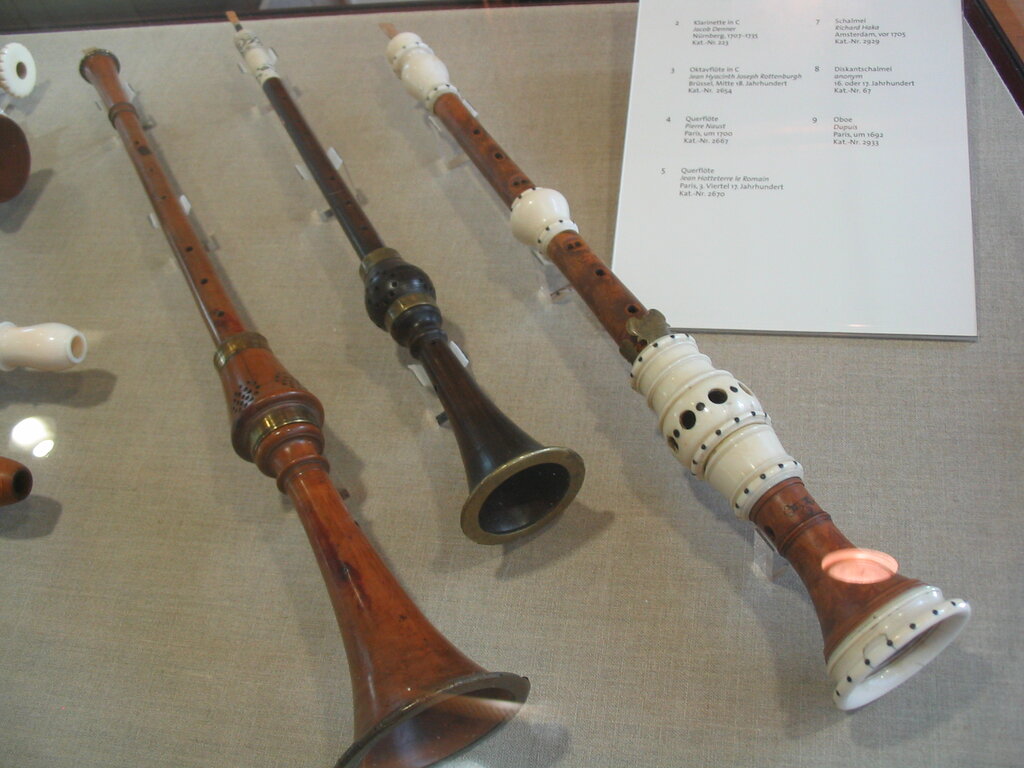
In the mid-17th century, French instrument makers began to refine the shawm. They created a more delicate instrument with a narrower bore and more precise control. This new instrument, called the hautbois (French for "high-wood" or "loud-wood"), was the direct forerunner of the modern oboe. It was quieter and more suitable for indoor performances with chamber ensembles and orchestras.
Over the next two centuries, the oboe continued to evolve. Makers added more keys, allowing it to play more notes and with greater ease. The instrument's construction became more standardized, and its role in the orchestra solidified.
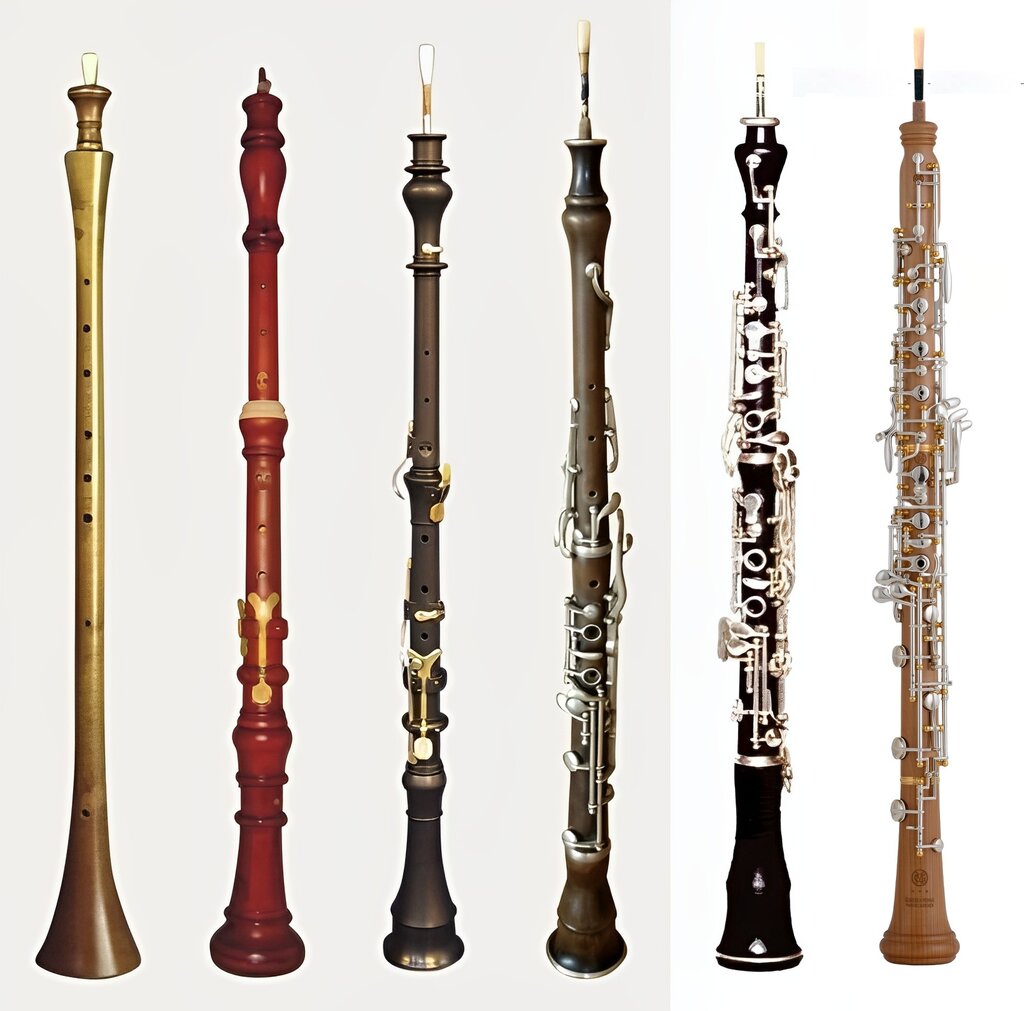
Today, you can hear the oboe in many musical settings. It's a key voice in classical orchestras, concert bands, and smaller chamber groups. Its expressive quality also makes it a favorite for film scores. While less common, the oboe sometimes appears in folk, jazz, and even pop music, adding its unique color to different genres.
Meet the Family
The oboe is part of a whole family of double-reed instruments, each with its own size and sound. They all share the same basic method of sound production but occupy different registers, like singers in a choir.
| Instrument | Description |
|---|---|
| Cor Anglais | Lower in pitch than the oboe, with a warmer, more mellow tone. It's slightly longer and has a distinctive pear-shaped bell. |
| Oboe d'amore | Pitched between the oboe and the cor anglais. Its name means "oboe of love," and it has a gentle, tranquil sound. |
| Bass Oboe | Pitched an octave lower than the oboe, it provides a deep, resonant voice to the oboe family. It's larger and less common. |
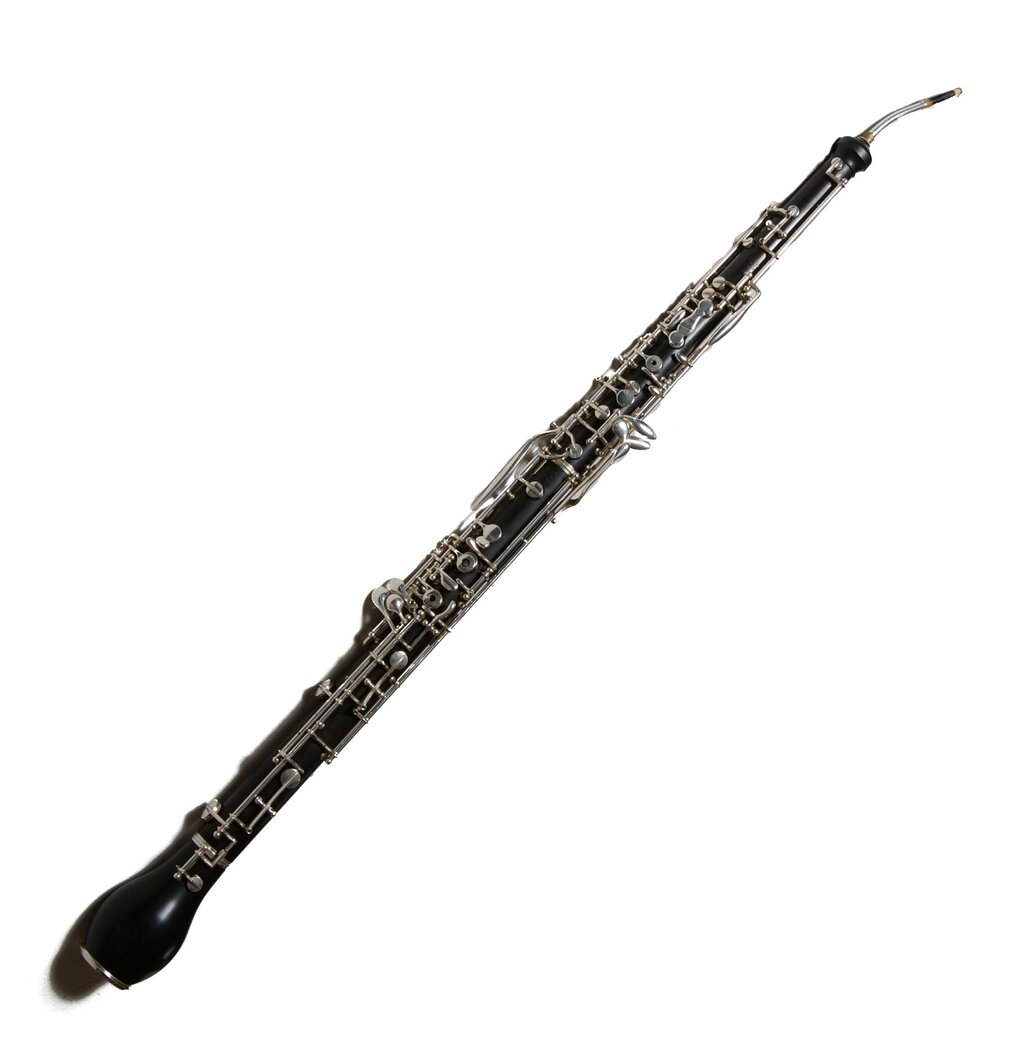
These related instruments expand the sonic palette available to composers, allowing for a full range of double-reed color in an orchestra or ensemble. From the bright, leading voice of the oboe to the rich depths of the bass oboe, the family plays a vital role in the world of music.
Ready to test your knowledge?
Why is the oboe the instrument that traditionally provides the tuning note for an orchestra?
What is the primary difference in how an oboe and a clarinet produce their sound?
From its unique double reed to its prominent place in the orchestra, the oboe is a fascinating instrument with a rich history and a distinctive, expressive voice.