Oboe vs Grok Understanding
Oboe Basics
The Oboe Explained
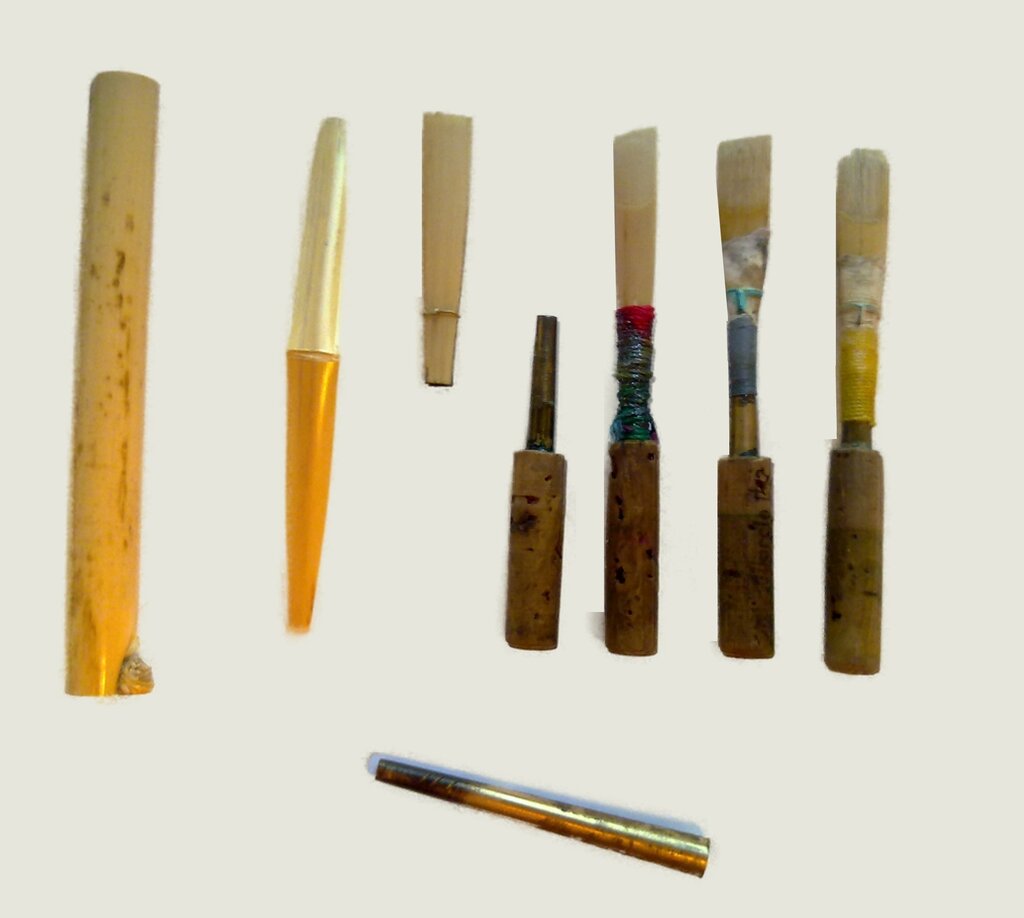
At the heart of the orchestra, you'll often hear a clear, penetrating sound that cuts through the ensemble. This is the oboe, a member of the woodwind family. What makes it unique is its use of a double reed, which is essentially two small pieces of cane tied together. When a player blows through this reed, the two pieces vibrate against each other, creating the instrument's signature sound.
The oboe is a woodwind instrument with a conical bore (a cone-like tube), metal keys, a flared bell and a double reed, which vibrates when the player blows through it.
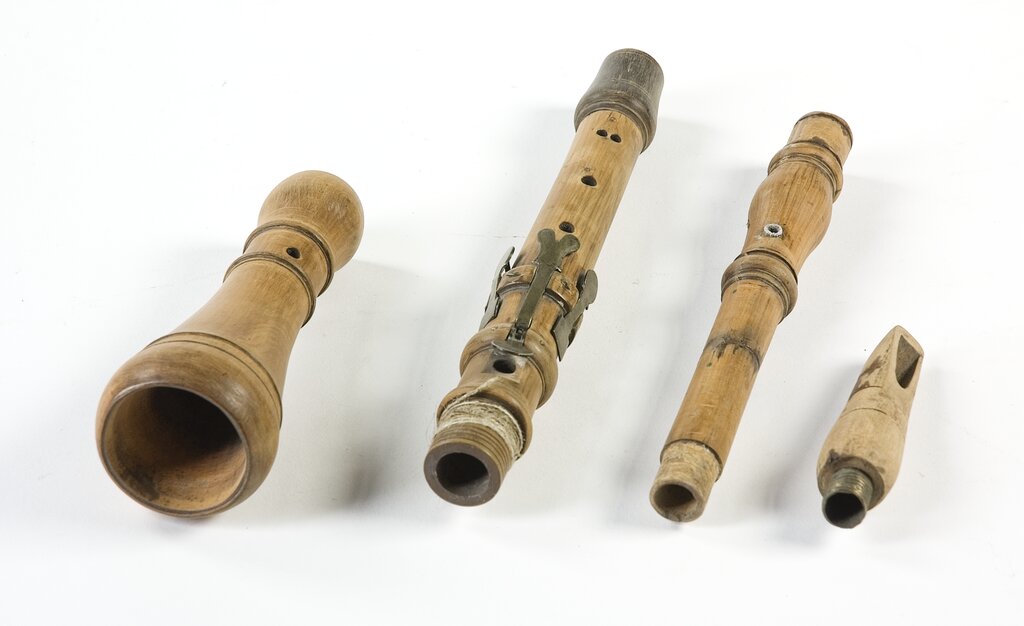
The body of the oboe is typically made from dense, dark wood like grenadilla, which gives it a rich, warm tone. Student models are sometimes made from synthetic materials to make them more durable and affordable. The instrument comes apart into three main sections: the upper joint, the lower joint, and the bell at the bottom. This makes it easier to carry and clean.
Sound and Range
The oboe's sound is produced entirely by the vibrating double reed. The rest of the instrument acts as an amplifier, shaping that initial vibration into a musical tone. The player changes notes by pressing a complex system of keys. These keys open and close holes along the instrument's body, changing the length of the vibrating air column inside. A shorter column produces a higher pitch, while a longer one produces a lower pitch.
The oboe's tone is often described as plaintive, nasal, or singing. It's focused and can be heard clearly even when the whole orchestra is playing. Because of this stable and distinct pitch, the oboe is the instrument that traditionally plays the tuning note (an 'A') for the rest of the orchestra before a performance. Its range spans about two and a half octaves, from a B-flat below middle C to a high G.
From Shawm to Symphony
The oboe's ancestor is the shawm, a loud, cone-shaped instrument common in Medieval and Renaissance Europe. The shawm had a much wider bore and a harsher, more trumpet-like sound, making it suitable for outdoor music and large ceremonies.
In the mid-17th century, French instrument makers began refining the shawm into a more delicate and expressive instrument for indoor court music. They narrowed the bore, reduced the size of the finger holes, and separated the instrument into three sections. This new instrument, called the hautbois (French for "high-wood" or "loud-wood"), was the direct forerunner of the modern oboe.
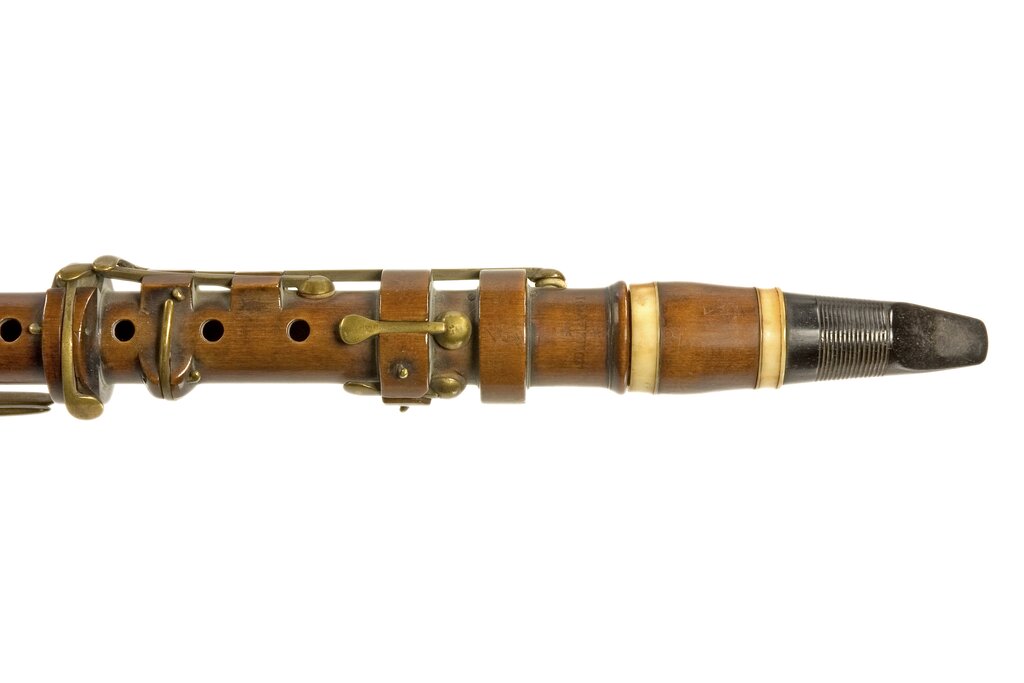
Over the next two centuries, makers continued to add keys to improve its tuning and allow it to play in more musical keys. These innovations transformed the instrument from a folk instrument into a permanent and essential member of the symphony orchestra.
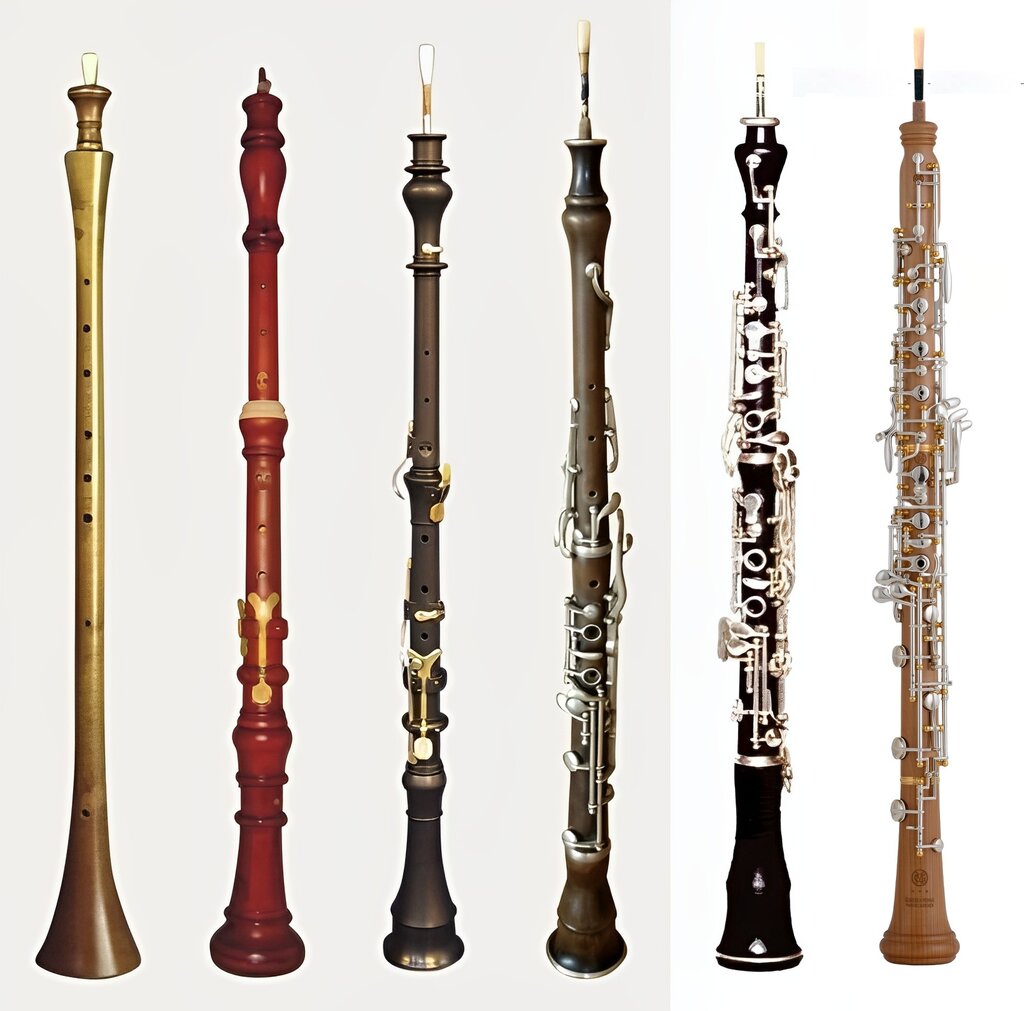
Today, the oboe remains a vital voice in orchestras, wind ensembles, and chamber music, and it has a rich solo repertoire. Its journey from the boisterous shawm to the refined orchestral instrument reflects the changing tastes and technical advancements in music over hundreds of years.
Ready to test your knowledge?
What is the primary component responsible for producing the oboe's unique sound?
Why is the oboe traditionally chosen to play the tuning note for an orchestra?
The oboe's unique sound and rich history make it one of the most recognizable and expressive instruments in the orchestra.