Oboe vs Clarinet A Woodwind Showdown
Instrument Construction
Shape and Sound
At a glance, the oboe and clarinet look quite similar. They are both black woodwind instruments covered in shiny silver keys. But their construction is fundamentally different, and that starts with the shape of the tube inside, known as the bore.
A clarinet has a cylindrical bore. This means the inside tube is the same width from the top all the way down to the bell at the bottom. Think of a paper towel roll; it’s a perfect cylinder. This straight, uniform tube gives the clarinet its characteristic mellow, dark, and full sound, especially in its lower range.
The oboe, on the other hand, has a conical bore. It starts very narrow at the top where the reed goes in and gradually widens all the way to the end. Imagine a long, skinny party hat. This cone shape is a key reason why the oboe has a brighter, more piercing, and focused tone that cuts through the sound of an orchestra.
The All-Important Reed
The biggest difference, and the part that actually creates the sound, is the reed. This is where the two instruments diverge completely.
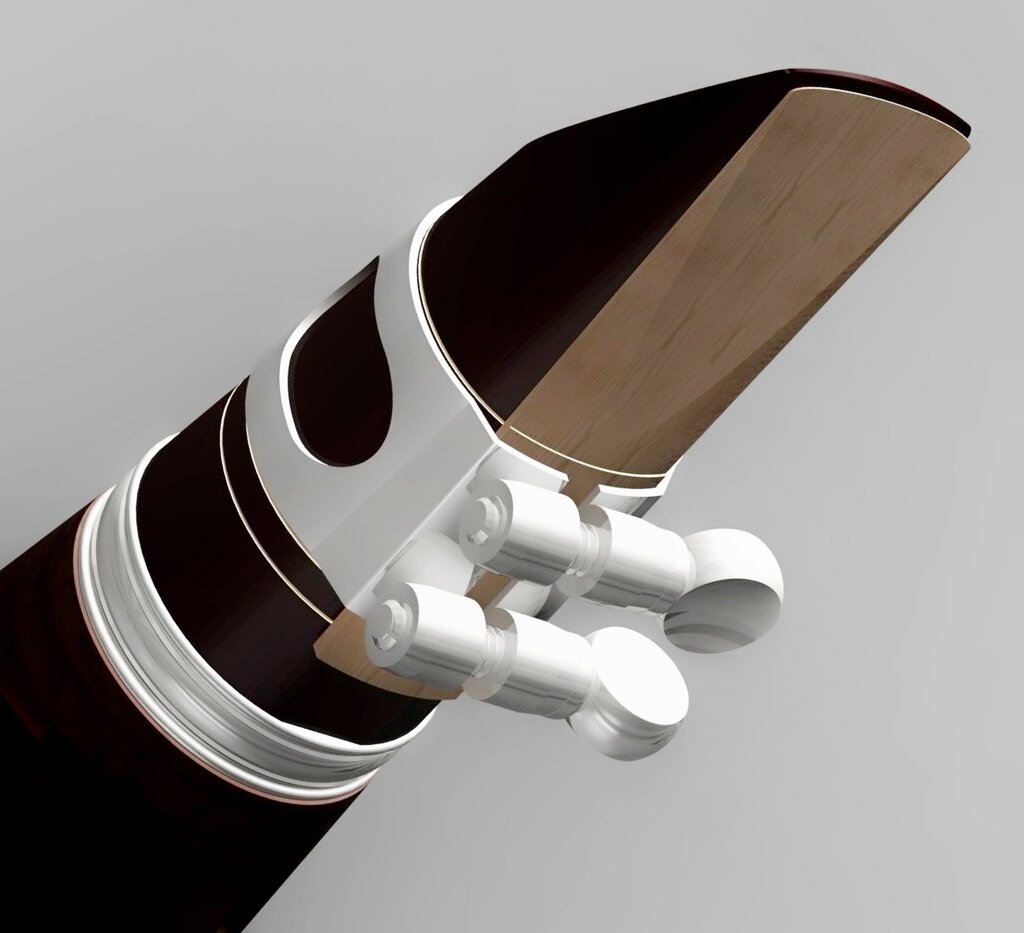
The clarinet uses a single reed. It's a flat, thin piece of cane that is strapped to a mouthpiece with a clamp called a ligature. When the player blows, this single reed vibrates against the hard mouthpiece, creating the sound.
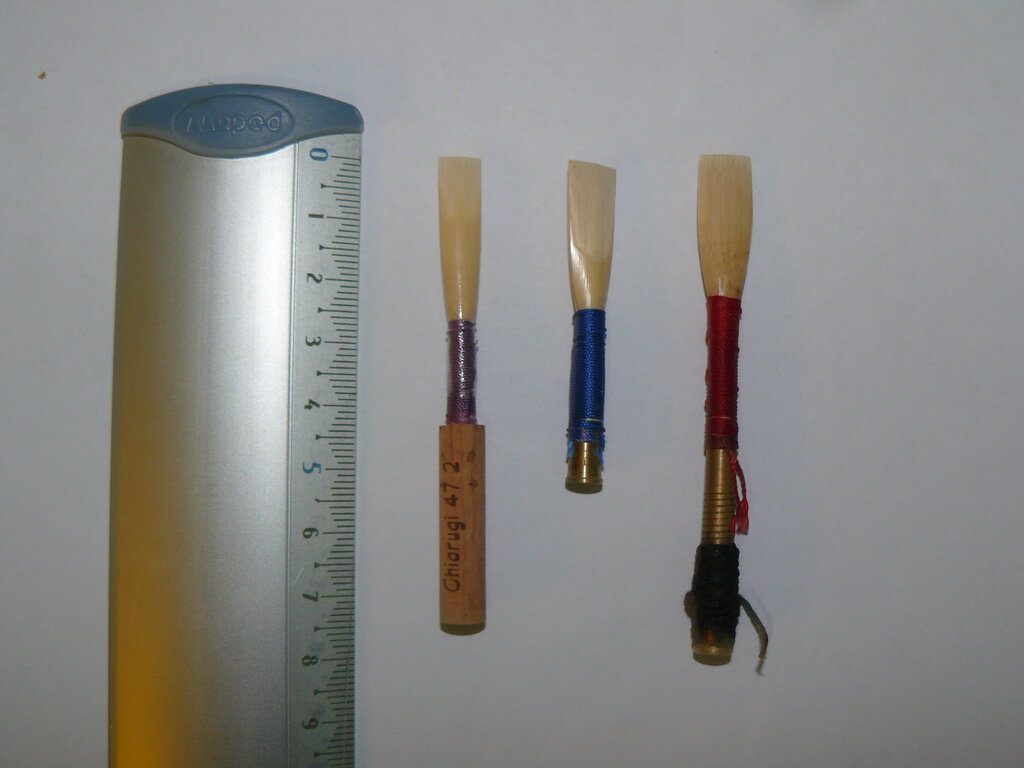
The oboe has no mouthpiece. Instead, it uses a double reed. This is made from two perfectly matched pieces of cane tied together. The player puts the tip of this double reed between their lips and blows, causing the two pieces of cane to vibrate against each other.
The double reed is what sets the oboe apart from other woodwind instruments like the clarinet or flute.
This double-reed setup is responsible for the oboe's unique, almost nasal tone. It's also notoriously tricky, and oboists often spend hours making their own reeds to get just the right sound.
Wood and Metal
Both instruments are traditionally made from wood. The most common choice for professional clarinets and oboes is Grenadilla, or African blackwood. It's an incredibly dense, stable wood that resists changes in humidity and produces a rich, complex tone.
However, you'll also find instruments made from other materials. Student clarinets are often made of a hard plastic or resin composite. This makes them more durable and less expensive, which is great for beginners. Oboes are almost always made of wood, though some makers have experimented with other materials like rosewood or cocobolo wood to achieve slightly different tonal colors.
The complex web of keys on both instruments is typically made of nickel silver and then plated with silver or, on high-end models, gold or platinum. Here’s a quick summary of the differences:
| Feature | Oboe | Clarinet |
|---|---|---|
| Bore | Conical (narrows to wide) | Cylindrical (uniform width) |
| Reed | Double Reed (two pieces) | Single Reed (one piece) |
| Mouthpiece | None | Yes |
| Body Material | Grenadilla Wood | Grenadilla Wood or Plastic |
Ready to see if you've got it? Let's check your understanding.
What is the primary difference in the internal shape (the bore) between a clarinet and an oboe?
An oboe uses a __________, which consists of two pieces of cane vibrating against each other, whereas a clarinet uses a single reed that vibrates against a mouthpiece.
These core differences in bore, reed, and materials are what give each instrument its signature voice in the orchestra.