Oboe vs ChatGPT Learning
Oboe Basics
From Shawm to Symphony
The oboe's story begins in the 17th century, but its roots go back even further. Its direct ancestor is an instrument called the shawm, a loud, conical-bore woodwind that was popular during the Renaissance. Shawms were primarily used for outdoor music, like military bands and town celebrations, because their powerful, trumpet-like sound could cut through any noise.
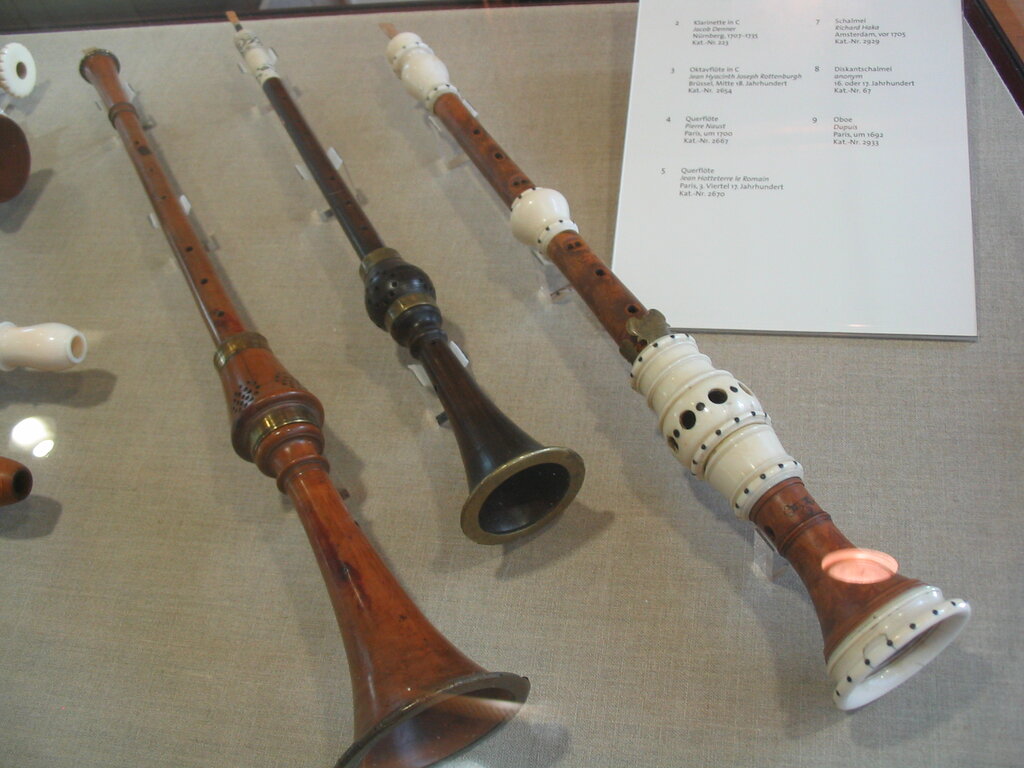
Around the mid-1600s, French court musicians began to refine the shawm. They wanted a more delicate, expressive instrument suitable for indoor performances with orchestras and chamber groups. They narrowed the bore, reduced the size of the finger holes, and split the instrument into three sections, making it more portable and easier to craft with precision. The most critical change was to the reed, making it smaller and allowing the player more control over the sound. This new instrument was called the hautbois, French for "high wood" or "loud wood." The name eventually became "oboe" in English.
Anatomy of a Sound
The modern oboe looks complex, but its design is focused on one goal: producing a rich, controlled tone. It's typically made from Grenadilla wood and consists of three main parts, plus the all-important reed.
The heart of the oboe is its double reed. This is made from two thin pieces of cane bound together. When a player blows air through the tiny opening between them, the reeds vibrate rapidly against each other. This vibration is what creates the sound.
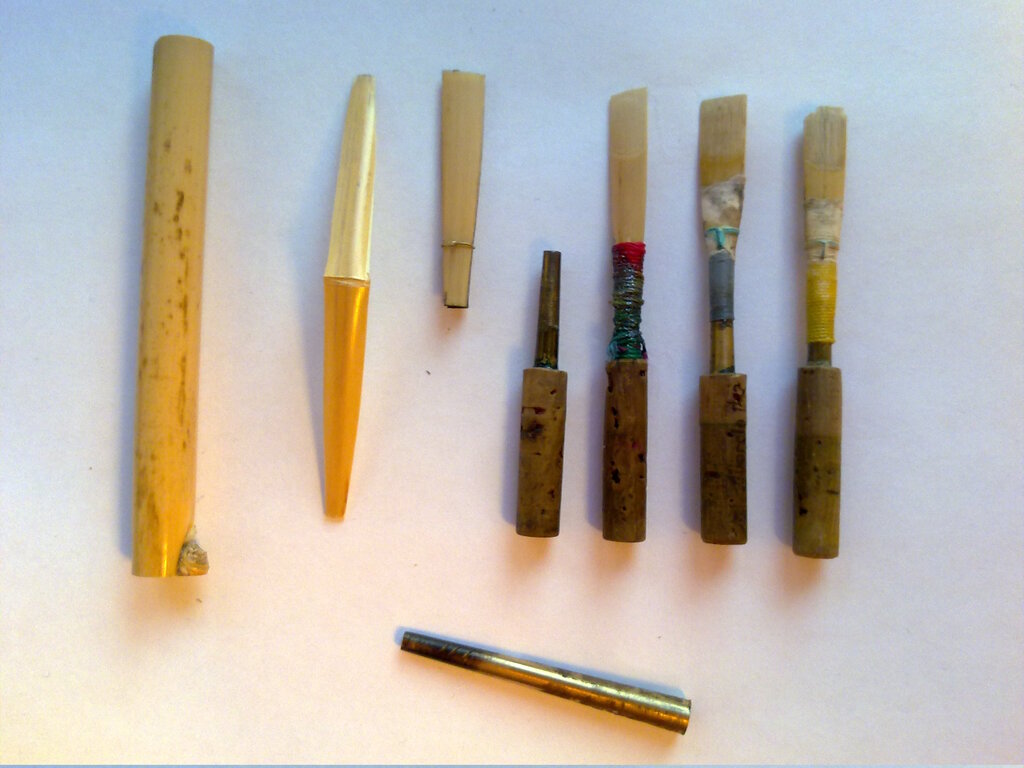
That initial vibration travels down the instrument's conical bore, which is a narrow, cone-shaped tube that gradually widens until it flares out at the bell. The player changes notes by pressing keys, which open and close holes along the body. This changes the effective length of the air column inside, producing different pitches. The oboe's intricate system of keys, rods, and pads is a marvel of engineering, allowing for fast and precise fingerwork.
A Voice That Carries
The oboe's sound is often described as bright, penetrating, and singing. It has a focused, almost nasal quality that can be intensely expressive. Unlike the flute's airy tone or the clarinet's mellow sound, the oboe has a piercing clarity.
This unique timbre is why orchestras traditionally tune to the oboe's 'A'. Its stable pitch and clear sound cut through the combined noise of all the other instruments, providing a reliable reference point for everyone.
The sound isn't just loud; it's also incredibly nuanced. A skilled oboist can shape the tone from a sorrowful whisper to a joyful cry. This emotional range makes the oboe a favorite for haunting melodies and expressive solos.
At Home in Any Ensemble
Thanks to its versatility, the oboe is a key player in many musical settings.
In a symphony orchestra, there are typically two to four oboists. They not only provide the tuning note but also carry important melodic lines. Composers from Bach to John Williams have written iconic solos for the oboe.
In concert bands, the oboe plays a similar role, often sharing melodies with flutes and clarinets. Its distinct voice adds a crucial color to the woodwind section.
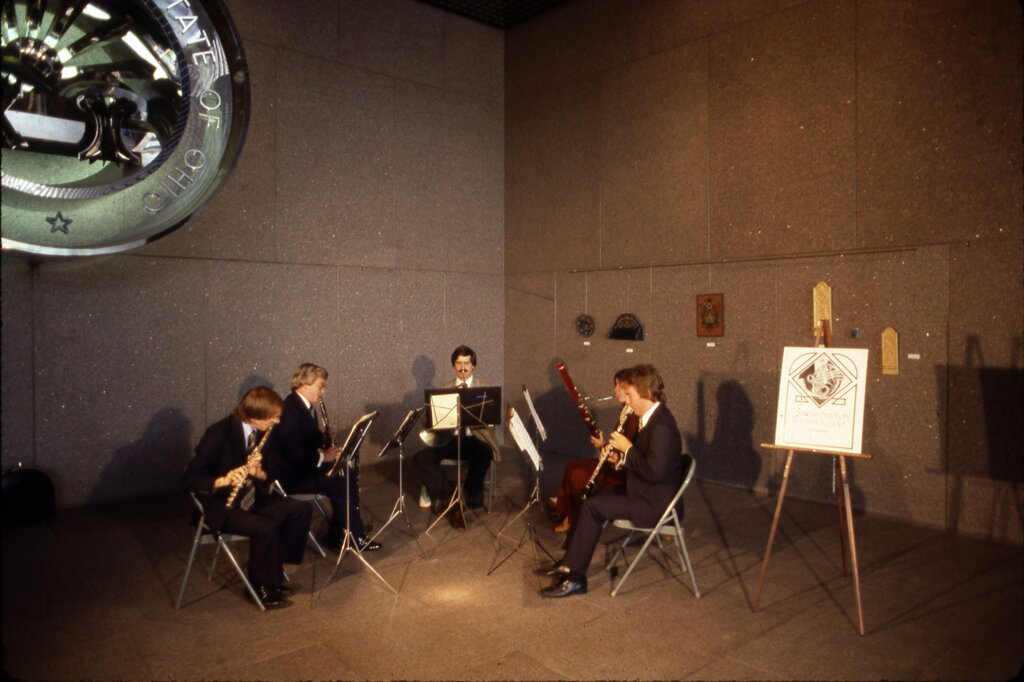
It's also a staple of chamber music, especially in the woodwind quintet, which also includes a flute, clarinet, bassoon, and French horn. In this small setting, the oboe's personality truly shines, engaging in musical conversations with the other instruments.
Let's review some of the key terms we've covered.
Ready to test your knowledge?
What is the name of the instrument that is the direct ancestor of the modern oboe?
True or False: The oboe's sound is produced by a player blowing across an open hole, similar to a flute.
From its humble beginnings as a loud outdoor instrument to its place as a refined voice in the modern orchestra, the oboe has a rich history and a sound that's impossible to ignore.