Oboe Varieties Explored
Oboe Origins
From Loud Shawm to Sweet Oboe
Before the oboe, there was the shawm. A popular instrument from medieval times through the Renaissance, the shawm was a loud, powerful double-reed instrument, mainly used for outdoor music, fanfares, and military bands. Its piercing, trumpet-like tone could cut through the noise of a bustling courtyard or battlefield, but it lacked the subtlety needed for indoor chamber music.
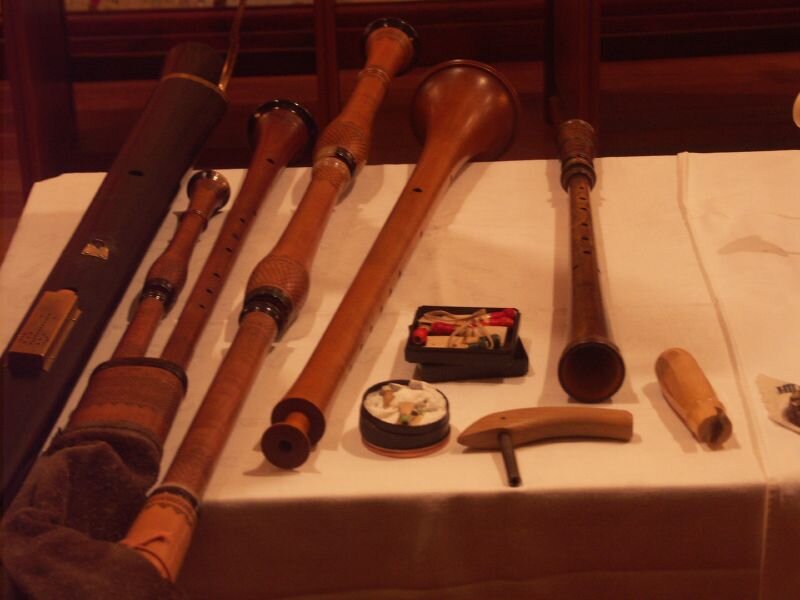
In the mid-17th century, French court musicians began experimenting with the shawm's design. They wanted an instrument with a sweeter, more refined voice that could blend with strings and lutes. Instrument makers, most notably the Hotteterre family in Paris, started making crucial changes. They narrowed the instrument's internal channel, or bore, and made the reed smaller and more controllable. This new instrument was called the hautbois.
high wood
The name hautbois is French for “high wood,” referring to its high pitch and wooden construction. The English pronunciation eventually gave us the word “oboe.” This new instrument was an immediate success, offering a much wider expressive range than its predecessor.
| Feature | Shawm | Baroque Oboe |
|---|---|---|
| Sound | Loud, piercing, nasal | Sweet, expressive, vocal-like |
| Use | Outdoors, military bands | Indoors, orchestras, chamber music |
| Bore | Wide, conical | Narrower, more refined conical |
| Reed | Broad, less controlled | Smaller, more controlled |
The Baroque Oboe
The Baroque oboe was a simpler instrument than its modern counterpart. Typically made from boxwood, it was constructed in three sections, or joints: a top joint, a bottom joint, and a bell. This design made it easier to transport and allowed for fine-tuning by slightly adjusting the joints.
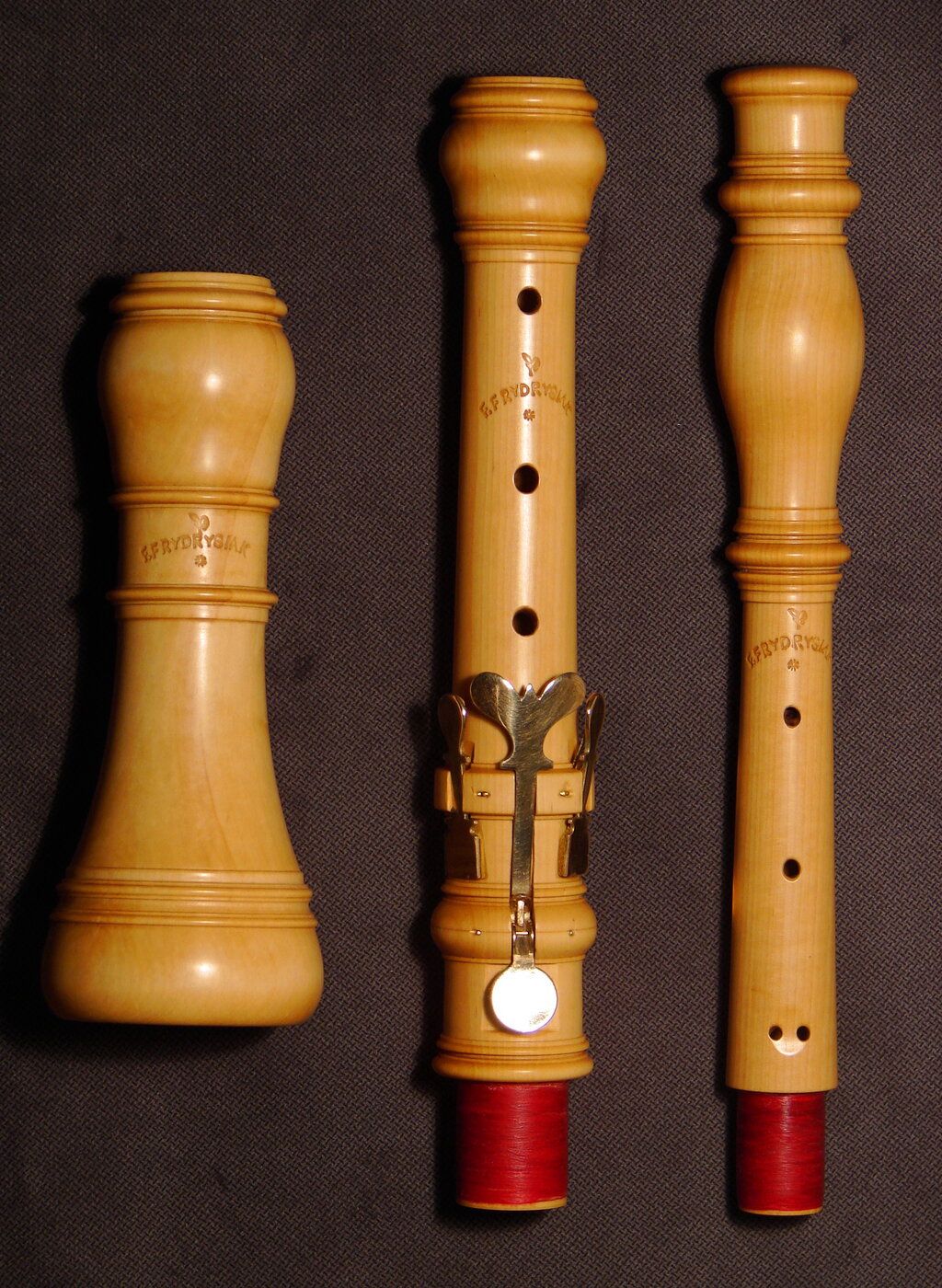
Unlike the complex web of keys on a modern oboe, the Baroque version had very few. Most early models had just two or three keys, typically made of brass. These keys were designed to help the player reach notes outside the basic scale of the instrument. For all other notes, the player relied on “forked fingerings,” a complex technique of covering and uncovering holes in specific patterns to produce different pitches.
The limited keywork of the Baroque oboe meant that a player's skill in fingering and breath control was paramount to playing in tune and with expression.
The tone of the Baroque oboe was rich and reedy, but much softer and more flexible than the shawm. It could sing a delicate melody or provide a warm, supportive voice within the orchestra. Composers like Jean-Baptiste Lully and later, Johann Sebastian Bach, were captivated by its vocal quality and began writing prominent parts for it.
The oboe’s ability to blend with other instruments while still standing out made it a valuable addition to the orchestra, and it soon became a standard instrument in Baroque ensembles.
In the newly forming orchestras of the late 17th and early 18th centuries, the oboe found its home. Its clear, stable pitch made it the ideal instrument for tuning the rest of the orchestra—a tradition that continues today. Oboes often played in pairs, either doubling the violin parts to add strength and color, or playing their own independent melodic lines.
Time to check your understanding of the oboe's origins.
What was the primary reason for developing the oboe from its predecessor, the shawm?
The name hautbois, which evolved into 'oboe', is French for:
The transition from the shawm to the Baroque oboe marked a major step in the development of woodwind instruments, setting the stage for the modern orchestra.