Oboe Reed Mastery
Oboe Reed Basics
The Heart of the Sound
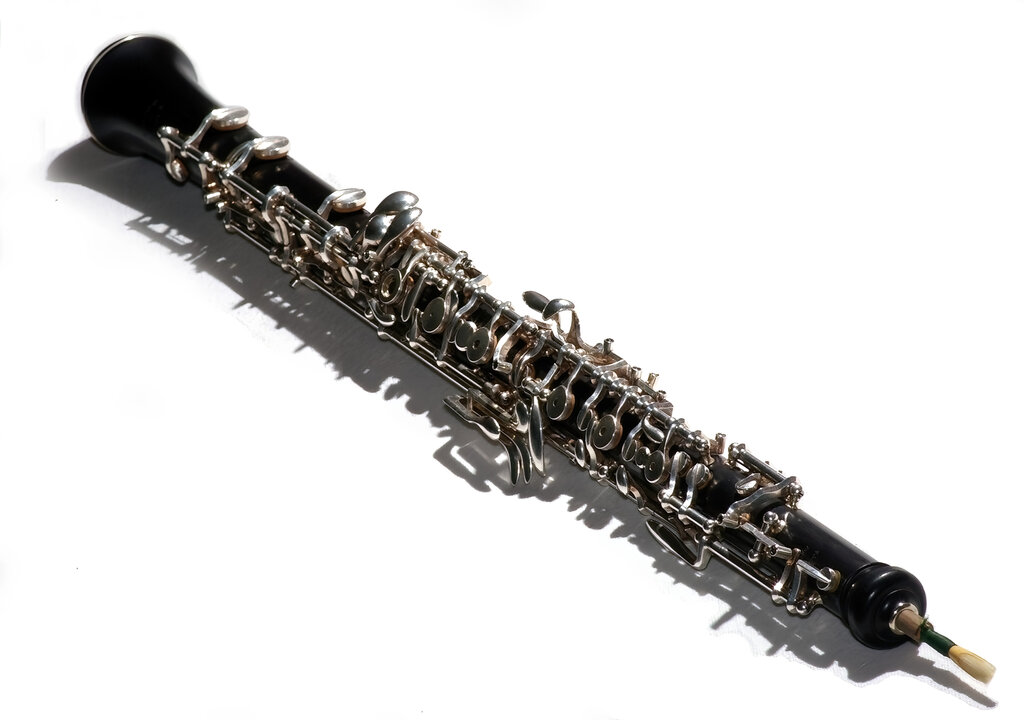
The beautiful, piercing sound of an oboe doesn't start in its wooden body or with its complex keys. It begins with something much smaller and more delicate: the reed. Without it, an oboe is silent.
An oboe uses a double reed. This means two precisely shaped pieces of cane are tied together, facing each other. When an oboist blows air through the tiny opening between these two pieces, they vibrate against one another at incredible speeds. This vibration creates the initial sound wave, which is then amplified and given its distinct color by the oboe itself.
The double reed is what sets the oboe apart from other woodwind instruments like the clarinet, which uses a single reed, or the flute, which uses no reed at all.
A Special Kind of Cane
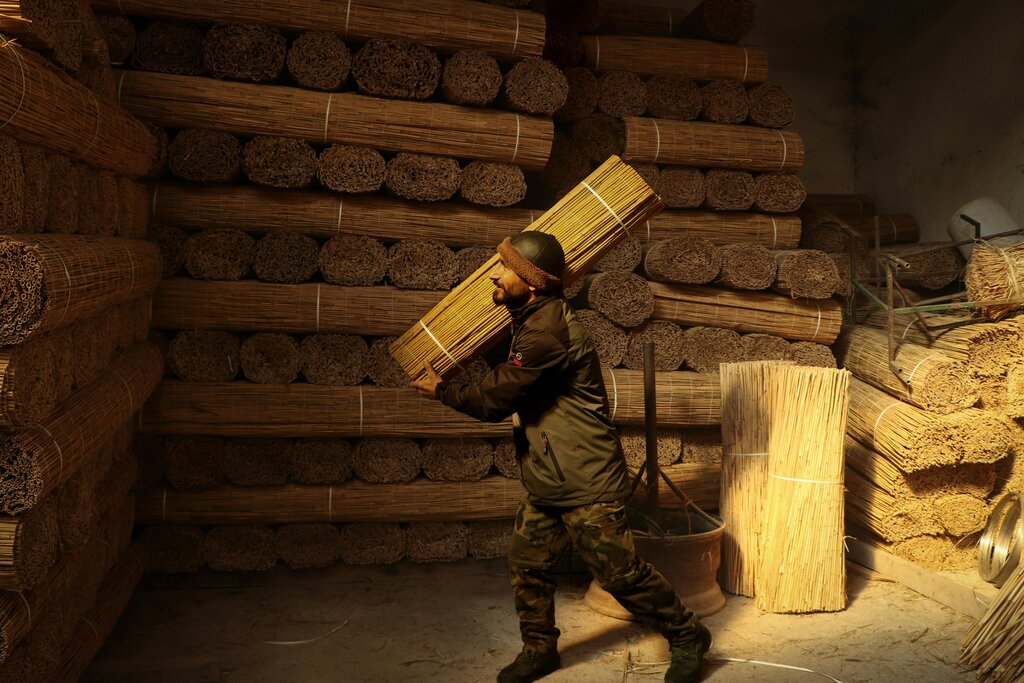
Oboe reeds aren't made from just any plant. They are crafted from a specific type of giant cane called Arundo donax. This plant, which looks a bit like bamboo, is prized for its unique combination of strength and flexibility. Its fibrous structure allows it to be scraped incredibly thin without breaking, enabling it to vibrate freely and produce the oboe's characteristic tone.
The best cane for reeds grows in specific climates. The Var region of southern France is particularly famous for producing high-quality Arundo donax. After harvesting, the cane is seasoned and dried for several years before it's ready to be shaped into a reed.
While Arundo donax is the traditional and most common material, some manufacturers produce synthetic reeds from plastic or composite materials. These are more durable and consistent than cane but are less common among professional players, who often prefer the tonal complexity of natural cane.
Anatomy of a Reed
Though small, an oboe reed has several distinct parts, each with an important job. Understanding its structure helps in understanding how it works.
Here's a breakdown of the parts:
- Blades: The two pieces of cane that make up the top of the reed. The very end is called the tip, which is scraped the thinnest to allow for easy vibration. The thicker, central area is the heart, which gives the sound its core and stability. The spine runs down the center of the heart, and the rails are the sides.
- Staple: A small metal tube, covered in cork at the bottom. The cane blades are tied securely to the top of the staple.
- Cork: The bottom part of the staple, which allows the reed to fit snugly into the top of the oboe.
Each part must be perfectly crafted and balanced. Even tiny imperfections can dramatically affect the sound and how easy the reed is to play.
Reeds are so personal and crucial to an oboist's tone that most professionals and serious students learn to make and adjust their own.
Now that you understand the basics of the oboe's reed, let's test your knowledge.
How does an oboe reed create the initial sound?
What is the name of the plant traditionally used to craft oboe reeds?
The reed is the starting point for everything an oboist does. Its careful construction from a special cane is what gives the instrument its unique and expressive voice.