Oboe Models Explained
Oboe Basics
The Oboe's Story
The oboe's family tree starts with an instrument called the shawm, a loud, conical woodwind popular in Medieval and Renaissance Europe. Its piercing sound was perfect for outdoor festivals and ceremonies. But as music moved indoors into the courts and concert halls, composers and musicians wanted something with a sweeter, more refined tone.
The oboe, including its earlier forms the shawm and the hautboy, is an instrument with a long and rich history.
In the mid-17th century, French instrument makers at the court of Louis XIV began modifying the shawm. They narrowed its internal bore, reduced the size of the reed, and split the instrument into three sections. The result was the hautbois (French for “high wood”), the direct ancestor of the modern oboe. This new instrument was more elegant, capable of greater dynamic range, and blended beautifully with strings.
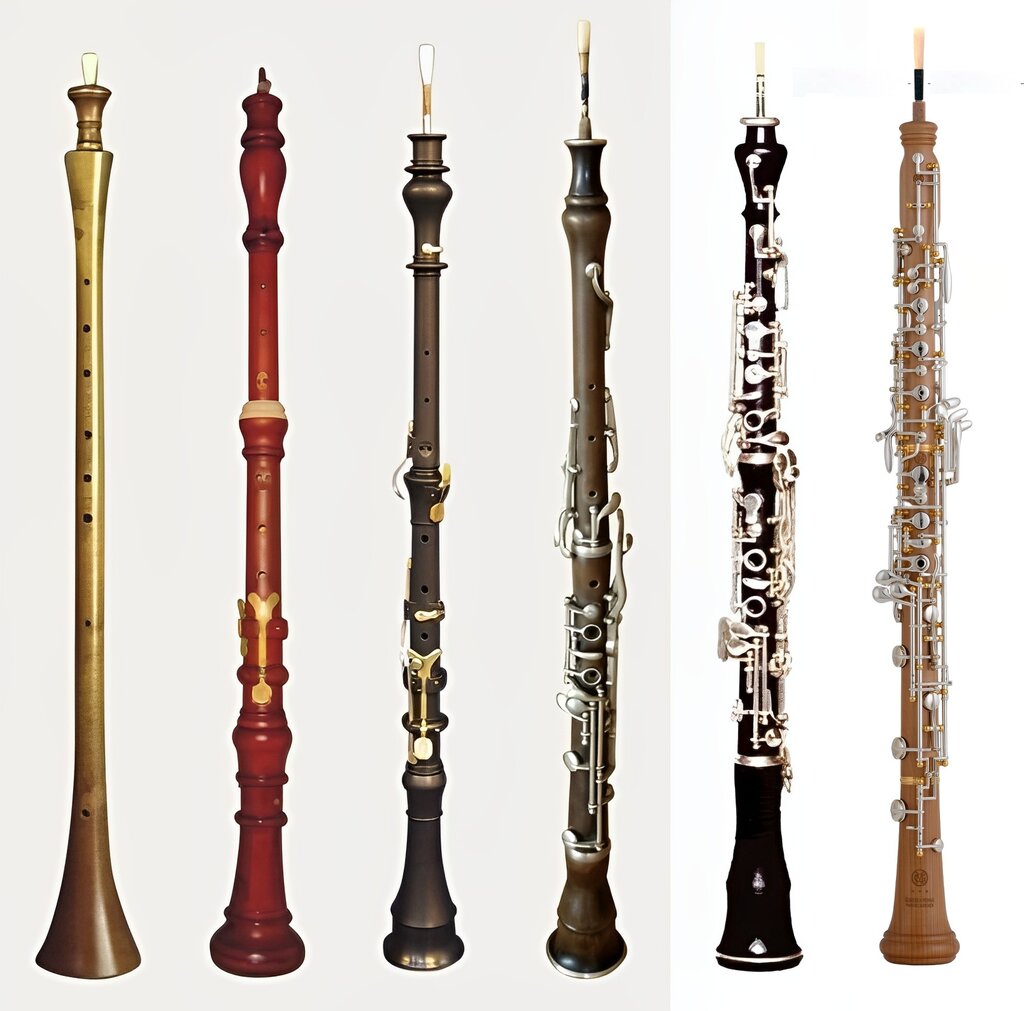
Over the next two centuries, the oboe continued to evolve. Makers added more keys, allowing players to navigate difficult musical passages with greater ease and improved intonation. The simple instrument of the Baroque era gradually transformed into the complex and versatile oboe we see in orchestras today.
Anatomy of an Oboe
A modern oboe looks complicated, but it breaks down into a few main parts. Assembling the instrument is one of the first things a player learns.
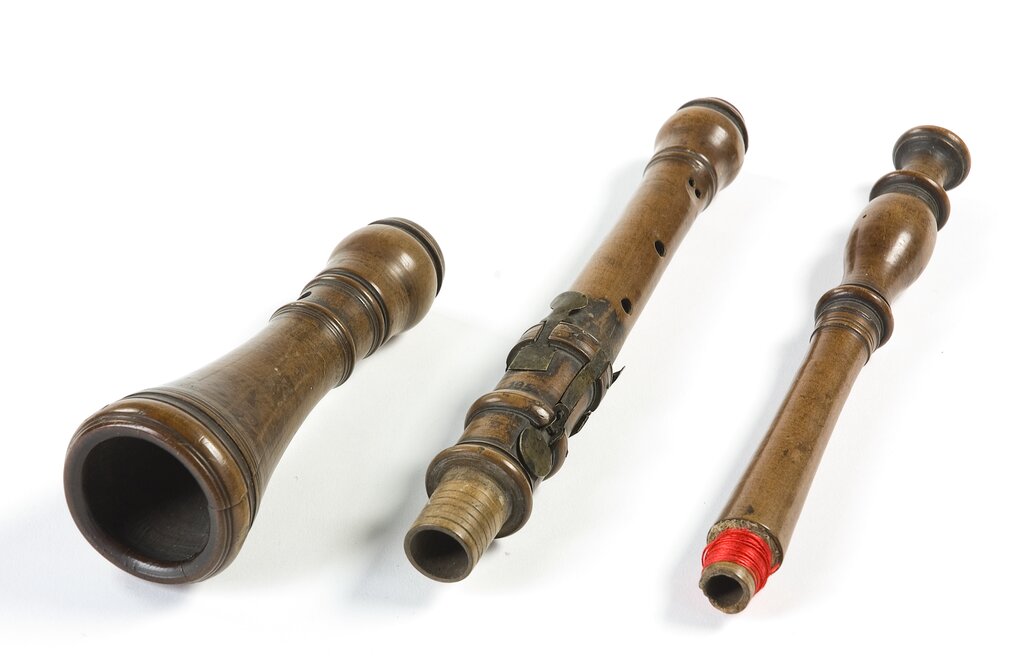
The oboe consists of three main sections: the upper joint, the lower joint, and the bell.
The upper joint is the top section, where the player's left hand goes. The lower joint is the middle section, covered by the right hand. Both are covered in an intricate system of keys, pads, and rods that open and close holes to change the pitch.
The bell is the flared end of the instrument. It helps project the sound and affects the tone quality of the lowest notes. These three parts are typically made from a dense, dark wood like Grenadilla.
But the true heart of the oboe's sound is a tiny, delicate component that isn't part of the main body.
reed
noun
A thin strip of material that vibrates to produce a sound on a musical instrument.
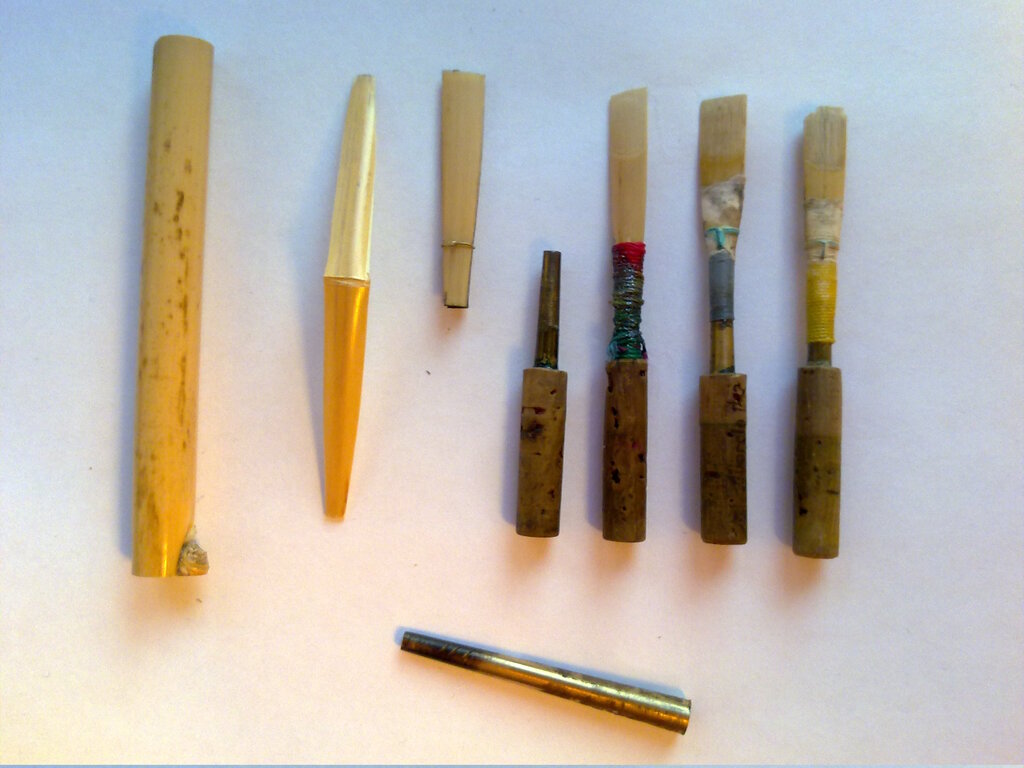
The oboe is a double-reed instrument. This means its sound is generated by two small, precisely shaped pieces of cane tied together. The player places this reed at the very top of the upper joint and blows through it.
The oboe’s double reed is a crucial component that significantly influences its sound.
The air forces the two pieces of cane to vibrate against each other thousands of times per second. This vibration is what creates the sound, which is then amplified and shaped by the oboe's wooden body. Many serious oboists learn to make their own reeds, as tiny adjustments can have a huge impact on tone and playability.
First Steps in Playing
Before an oboist can play a note, they need to master two fundamentals: posture and embouchure.
Good posture is about efficiency and support. Oboists should sit or stand up straight, with relaxed shoulders and open airways. The instrument should be held at about a 45-degree angle from the body. This position allows the diaphragm to support the airstream properly and prevents physical strain during long practice sessions.
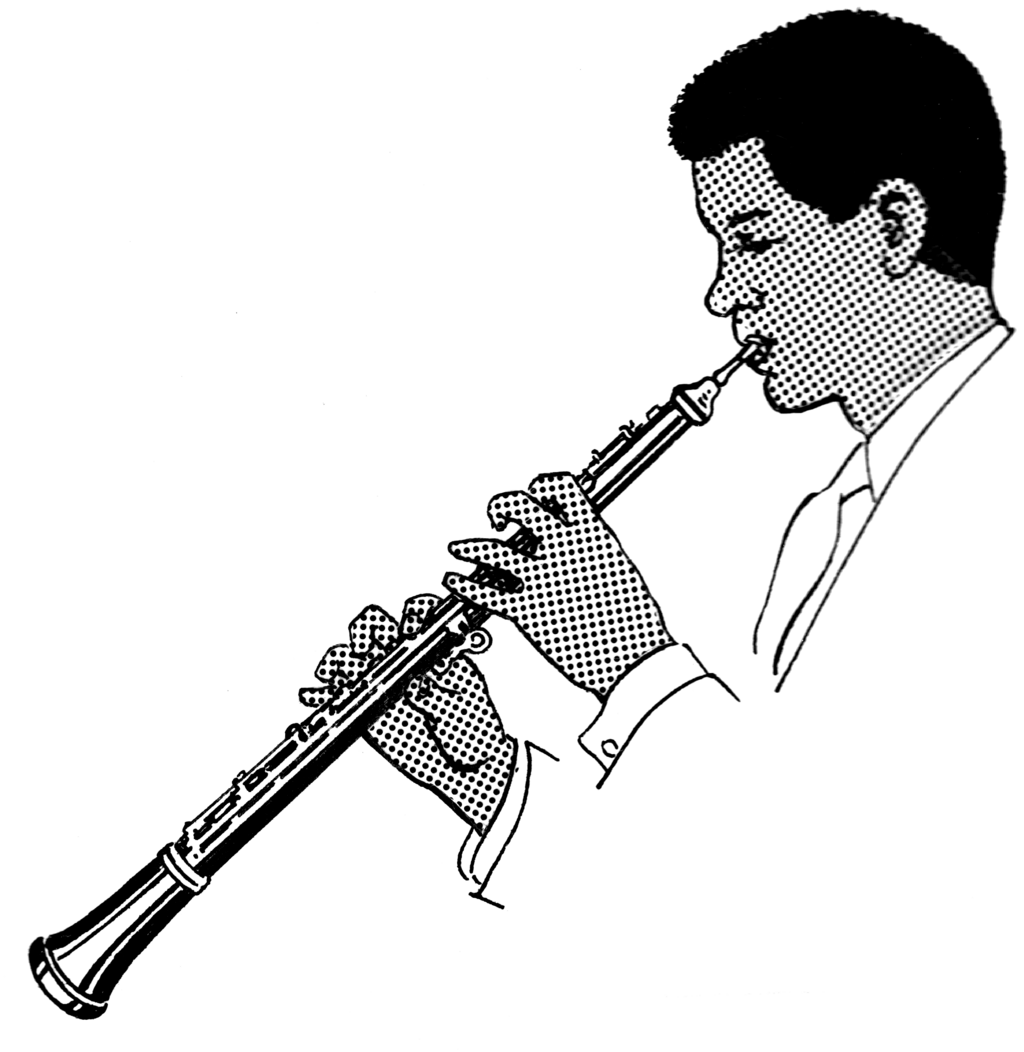
The embouchure is the way a player shapes their mouth around the reed. It is arguably the most critical and challenging technique to learn. Unlike a clarinet or saxophone where the mouthpiece provides a stable surface, an oboist's lips must control the delicate double reed directly.
The embouchure is critical for producing a good tone on the oboe.
The basic oboe embouchure involves slightly rolling the lips in over the teeth, like preparing to say the letter "O" or whistle. The lips then close around the reed with gentle, even pressure from all sides, creating a seal. The chin should be flat and pointed. It takes years of practice to develop an embouchure that is both strong and flexible enough to control the oboe's full range of dynamics and tone.
Ready to review what you've learned about the oboe's history, parts, and basic techniques?
What was the name of the oboe's loud, conical ancestor popular in the Medieval and Renaissance eras?
The name 'oboe' is derived from the French term hautbois. What is the literal translation of hautbois?