Oboe Marketing Trends
Oboe Market Overview
The Oboe Marketplace
The market for oboes is a specialized corner of the music world, dominated by a few key players with long-standing reputations. Unlike mass-market instruments like guitars or keyboards, high-quality oboes require meticulous craftsmanship, often involving hand-finishing and exotic woods like grenadilla. This makes the market relatively small but highly valuable.
Leading manufacturers such as Lorée, Buffet Crampon, and Marigaux, primarily based in France, have historically set the standard for professional instruments. Other significant brands include Howarth of London and the Japanese maker Yamaha, which produces a wide range of instruments from student to professional models. These companies form the core of the market, each with a loyal following among musicians.

Digital Shifts in Sales
Traditionally, buying an oboe was an intensely personal, in-person experience. A musician would visit a specialty shop to try several instruments, feeling the subtle differences in response and tone. The internet has changed this dynamic significantly. Today, much of the research and even purchasing happens online.
Online marketplaces and large music retailers now offer a vast selection of oboes, from beginner models to professional-grade instruments. More importantly, manufacturers are increasingly selling directly to consumers. This direct-to-consumer approach allows brands to control their pricing and build a relationship with their customers, bypassing the traditional dealership model.
The rise of e-commerce has made it easier for players in remote areas to access high-quality instruments that were once only available in major cities.
The Classroom Pipeline
Educational institutions are the lifeblood of the oboe market. School bands and university music programs create a consistent demand for student-level instruments. The choices made by music educators are incredibly influential. When a teacher recommends a specific brand, students and parents usually follow that advice.

Because of this, manufacturers often build strong relationships with educators. They might offer school discounts, instrument trial programs, or sponsor educational workshops. This strategy helps establish brand loyalty from a young age. An oboist who starts on a particular brand's student model is more likely to upgrade to that same brand's professional model later in their career.
New Ways of Selling
The market continues to evolve. Some retailers are adopting hybrid models that blend online convenience with the personalized service of a brick-and-mortar store. A customer might browse and select oboes online, have them shipped for an in-home trial, and then receive a virtual consultation with an expert to help make the final choice.
Another emerging trend is the rise of subscription services, particularly for reeds and accessories. Oboe reeds are delicate, have a short lifespan, and are crucial to the instrument's sound. Subscription boxes that deliver a steady supply of new reeds save players time and ensure they always have quality options on hand. This model is also being applied to other accessories like cleaning swabs and cork grease, creating recurring revenue streams for businesses.
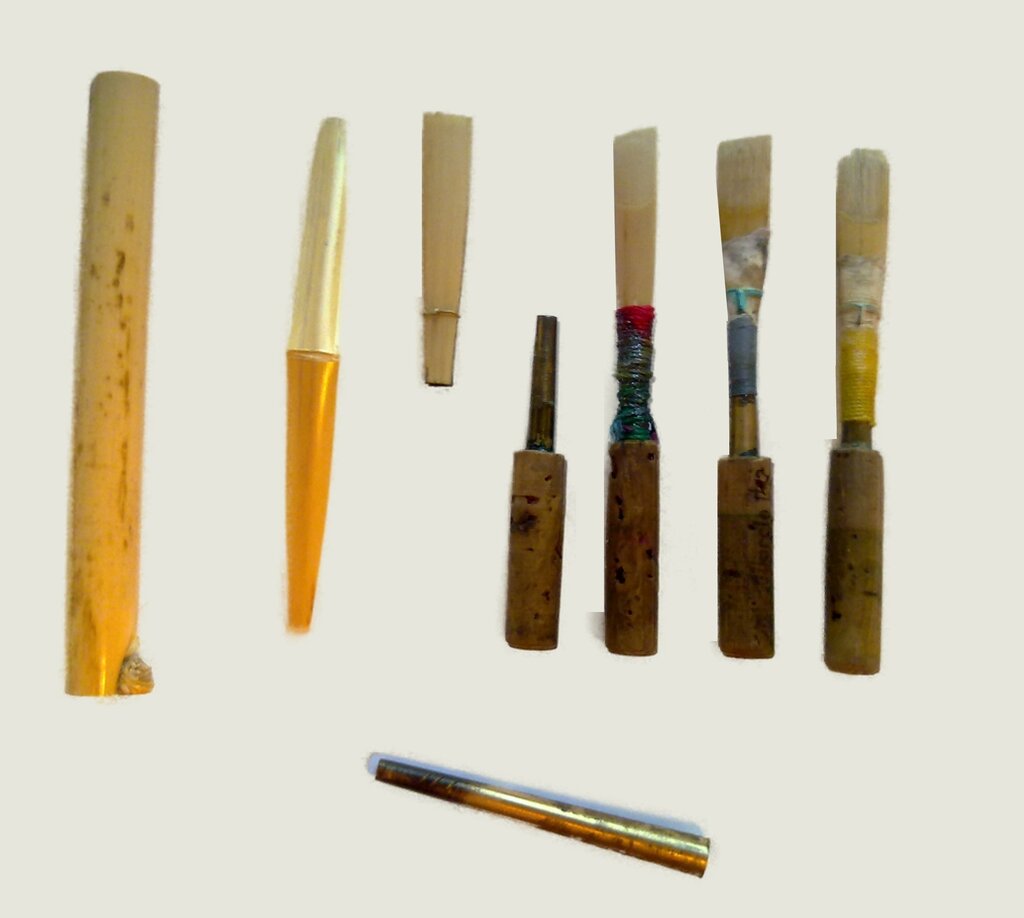
These trends point toward a more flexible and customer-focused market, where technology helps connect musicians with the perfect instrument and the supplies they need to play it.
Let's review the key ideas about the oboe market.
Which of the following regions is historically known for setting the standard in professional oboe manufacturing?
What is the primary driver of consistent demand for student-level oboes?
Overall, the oboe market successfully blends centuries-old craftsmanship with modern business practices, ensuring this unique instrument continues to find its way into the hands of musicians everywhere.