OBOE LLM Distinctions
Introduction to Large Language Models
What Are Large Language Models?
At its core, a Large Language Model (LLM) is a type of artificial intelligence designed to understand and generate human language. Think of it as a very advanced autocomplete. It's trained on a massive amount of text data from the internet, books, and other sources. By analyzing this data, it learns the patterns, grammar, context, and nuances of language.
A Large Language Model (LLM) is a type of artificial intelligence program designed to understand, generate, and work with human language.
The main purpose of an LLM isn't just to parrot back information it has seen. Instead, it uses its training to perform a wide variety of language-based tasks. This could be anything from answering a question and translating between languages to writing an email or a piece of computer code. The 'large' in the name refers to two things: the enormous amount of data it's trained on and the huge number of parameters (think of these as internal knobs and dials) the model uses to make its predictions.
The Transformer Architecture
The breakthrough that made modern LLMs possible is a neural network design called the Transformer architecture. Before the Transformer, models processed text sequentially, word by word. This made it difficult to keep track of context in long sentences.
The Transformer's key innovation is a mechanism called attention. Attention allows the model to weigh the importance of different words in the input text when processing any given word. When you read the sentence, "The cat sat on the mat and chased the mouse," your brain knows "it" in "it chased" refers to the cat, not the mat. The attention mechanism gives an LLM a similar ability to connect related words, no matter how far apart they are in a sentence. This ability to grasp context is what makes their responses feel so coherent and relevant.
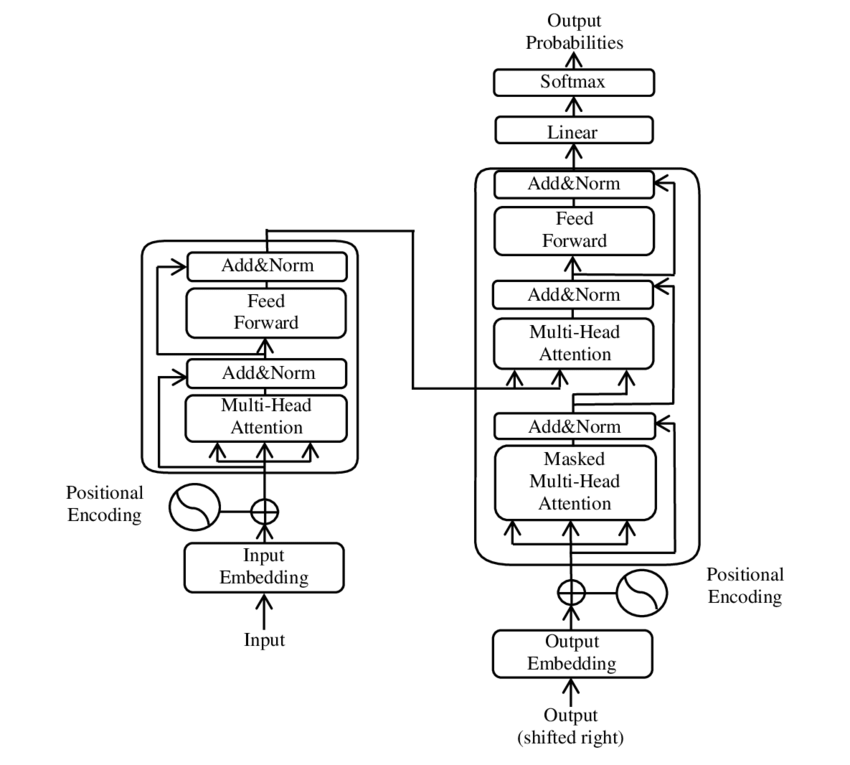
This architecture is typically split into two parts: an encoder and a decoder. The encoder reads and understands the input text, creating a numerical representation that captures its meaning. The decoder then takes that representation and generates the output text, word by word, using the attention mechanism to stay focused on the relevant parts of the input.
How LLMs Are Trained
Training an LLM is a two-step process: pre-training and fine-tuning.
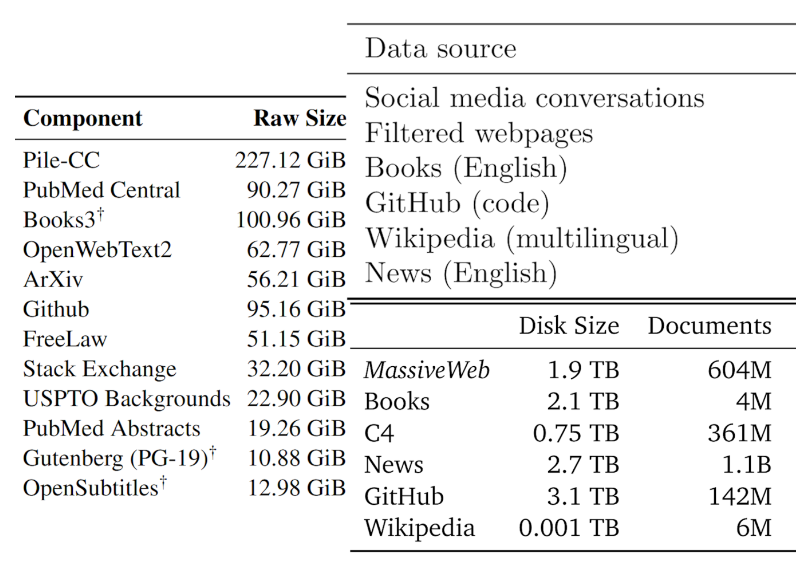
1. Pre-training: This is the general education phase. The model is fed a colossal amount of unlabeled text, often terabytes of data. Its task is simple but powerful: predict the next word in a sequence. For example, given the phrase "The quick brown fox jumps over the...", the model tries to predict "lazy." By doing this billions of times, it learns grammar, facts, reasoning abilities, and even some biases from the training data. This stage is incredibly resource-intensive, requiring massive amounts of computational power.
2. Fine-tuning: After pre-training, the general model is adapted for specific tasks. This is like sending a college graduate to a specialized trade school. During fine-tuning, the model is trained on a smaller, labeled dataset tailored to a particular application, like translation, summarization, or answering questions in a specific style. This step refines the model's capabilities and helps align its outputs with human expectations, making it more useful and reliable for its intended purpose.
Common Applications
Because of their flexible nature, LLMs are used in a huge range of applications. They act as the engine behind many of the AI tools we interact with daily.
| Application | Description |
|---|---|
| Text Generation | Creating original text, from writing emails and marketing copy to composing poetry or short stories. |
| Translation | Translating text between different languages with a high degree of fluency and contextual accuracy. |
| Summarization | Condensing long articles, reports, or documents into short, coherent summaries. |
| Question Answering | Providing direct answers to user questions by extracting information from its knowledge base. This powers chatbots and virtual assistants. |
| Code Generation | Writing snippets of code in various programming languages based on a natural language description. |
The ability of a single model to perform so many different tasks is what makes LLMs a foundational technology in modern artificial intelligence.
Ready to check your understanding? Let's see what you've learned.
What is the primary purpose of a Large Language Model (LLM)?
The 'large' in Large Language Model refers to what two aspects?
This foundation gives you the core concepts needed to understand how different LLMs work and what makes them unique.