Oboe for Tomato Slicing Instruction
Oboe Basics
The Oboe's Anatomy
The oboe is a member of the woodwind family. What makes it special is its double reed, which is the source of its unique, penetrating sound. Unlike a clarinet's single reed, an oboe's double reed consists of two thin pieces of cane vibrating against each other. This vibration is what creates the sound.
The double reed is what sets the oboe apart from other woodwind instruments like the clarinet or flute.
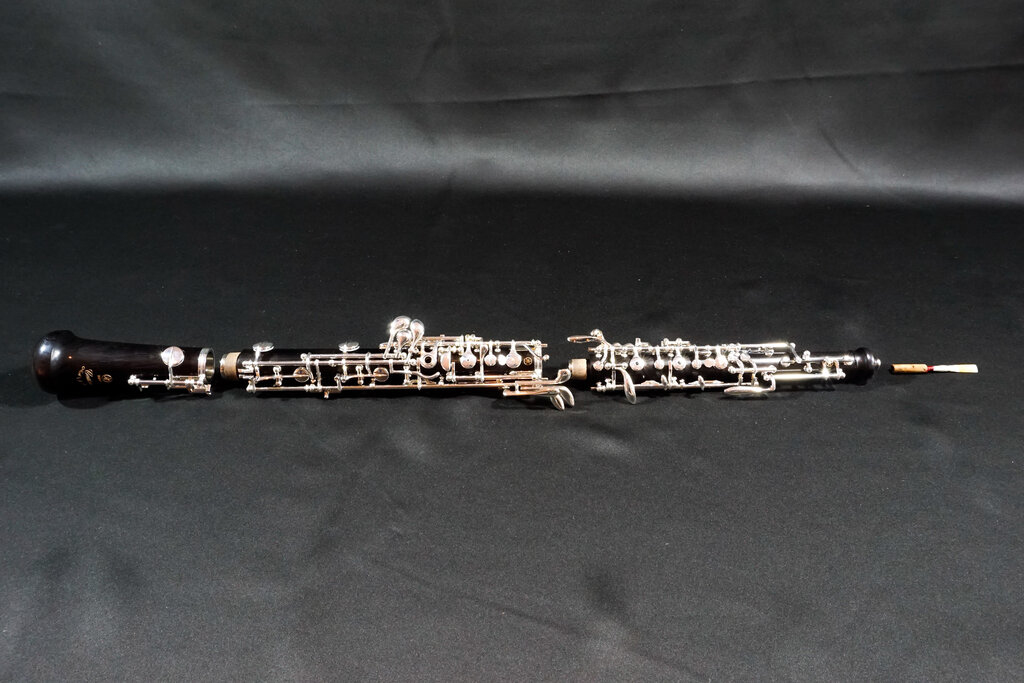
The body of the oboe is a conical tube, typically made of Grenadilla wood, that amplifies and shapes the sound from the reed. It's constructed in three main sections that you'll need to connect before playing.
- Top Joint: The upper section of the oboe where your left hand goes.
- Bottom Joint: The middle section, positioned for your right hand.
- Bell: The flared end that helps project the sound.
Putting It Together
Assembling an oboe requires care to avoid bending the intricate keywork. Always hold the joints where there are no keys, or on the strongest parts of the key system if you must.
Before you begin, it's a good practice to apply a small amount of cork grease to the tenons (the cork-covered ends that connect the joints) if they feel tight. This makes assembly smoother and prevents damage.
Here's the process:
- Join the Bell and Bottom Joint: Gently twist the bell onto the bottom joint. Align the bridge key on the bottom joint with the corresponding key on the bell.
- Connect the Top and Bottom Joints: This is the trickiest part. Hold the top joint in your left hand and the bottom joint in your right. Gently press the keys on the top joint to lift the bridge key mechanism. Twist the two sections together, making sure the upper and lower bridge keys align perfectly so they move as one.
- Insert the Reed: The reed is extremely delicate. Moisten the cork end with your mouth, then gently push and twist it into the top of the upper joint until it's snug.
Making Your First Sound
Producing a clear tone on the oboe starts with the embouchure, which is the way you shape your mouth around the reed. A proper embouchure allows the reed to vibrate freely while giving you control over the sound.
embouchure
noun
The way in which a player applies their mouth to the mouthpiece of a brass or woodwind instrument.
To form an oboe embouchure:
- Say the word "oh" and hold the shape of your mouth.
- Roll your lips slightly inward over your teeth, like you're trying to hide them. Your lips should form a soft cushion.
- Gently place just the tip of the reed (about 1/4 inch) onto your bottom lip cushion. Your top lip should rest lightly on the top of the reed.
- Close your lips around the reed from the corners, as if you're pulling a drawstring on a bag. The pressure should be firm but not tight.
One of the most important and challenging aspects of learning to play the oboe are understanding how to form a proper embouchure and relationship with the reed.
Next is breath control. Oboe playing requires a fast, steady stream of cold air. Take a deep breath from your diaphragm, keeping your shoulders relaxed. As you exhale, focus the air into a concentrated stream through the small opening of the reed. It takes more pressure than you might think, but the goal is support, not force.
Finger Positioning
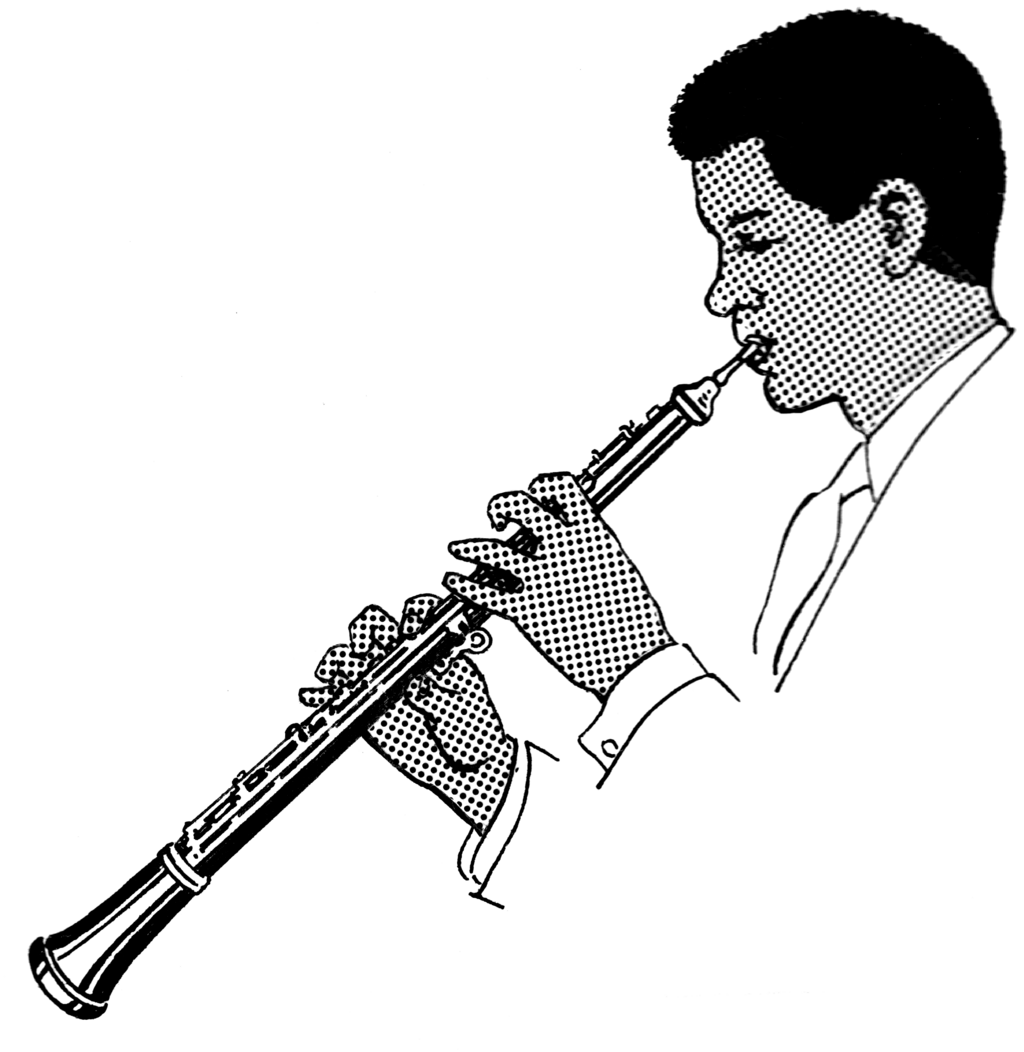
Proper hand position is crucial for playing comfortably and accurately. Your hands should be curved, as if holding a ball, and your fingers should remain relaxed. Let the pads of your fingers, not the tips, cover the holes or rest on the keys.
- Left Hand: Positioned on the top joint. Your thumb rests on the back of the instrument, ready to operate the octave keys.
- Right Hand: Positioned on the bottom joint. Your right thumb goes under the thumb rest to support the oboe's weight.
This balanced position allows your fingers to move freely across the keys without straining.
Now, let's test what you've learned about getting started with the oboe.
What component of the oboe is primarily responsible for its unique, penetrating sound?
What is the correct first step when assembling an oboe from its parts?
Getting these fundamentals right—from assembly to your first note—sets a strong foundation for your journey with the oboe. Practice each step slowly and deliberately.