Oboe for Charging: A Musical Misconception
Oboe Sound Production
The Vibrating Heart
The sound of an oboe doesn't begin in its wooden body, but in a small, delicate component: the double reed. This is the true source of the instrument's voice. It's made of two thin pieces of cane, precisely scraped and tied together.
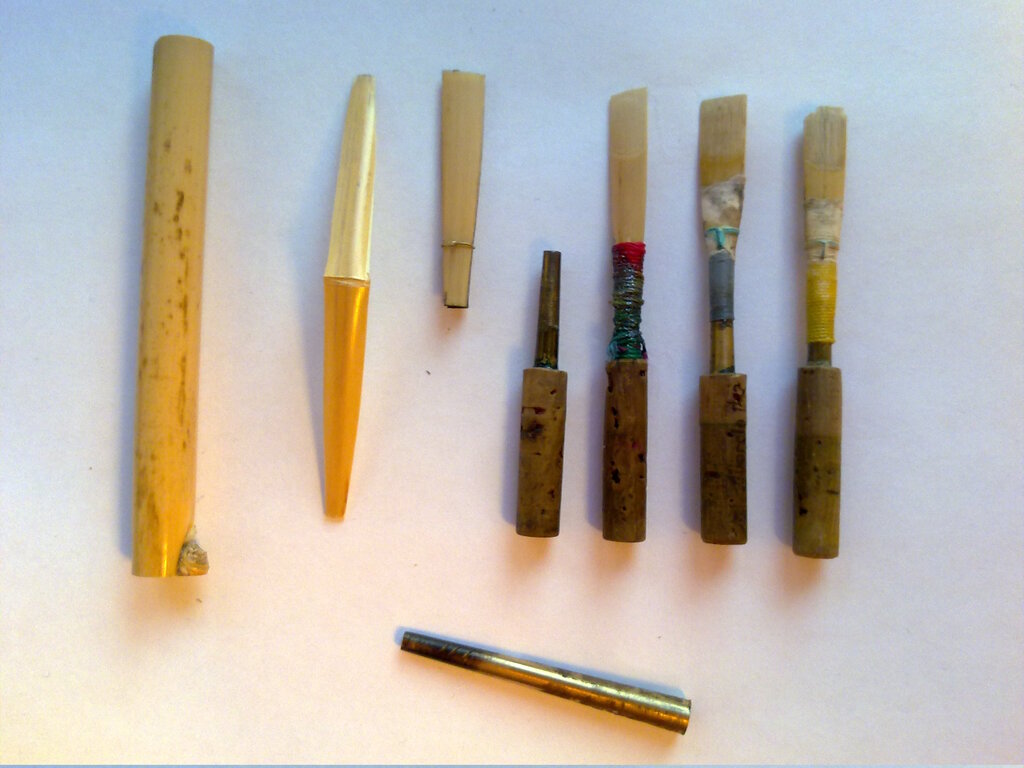
When a player blows air through the tiny opening between these two pieces of cane, they vibrate against each other at hundreds of times per second. This rapid vibration creates pressure waves, the very beginning of the sound we hear.
The oboe produces sound through a double-reed mechanism, where two closely aligned cane blades vibrate against each other when air is blown through them by the player.
From Vibration to Voice
These initial pressure waves are quiet and buzzy. The oboe's body transforms them into a musical tone. The key is its shape, known as a conical bore. This means the inside of the oboe gradually widens from the reed at the top to the bell at the bottom.
This cone shape acts as a resonator and amplifier. As the sound waves travel down the tube, they are shaped and strengthened, which gives the oboe its characteristic bright, penetrating sound. Instruments with a cylindrical bore, like the clarinet, have a constant diameter, resulting in a distinctly different, mellower tone.
The Human Element
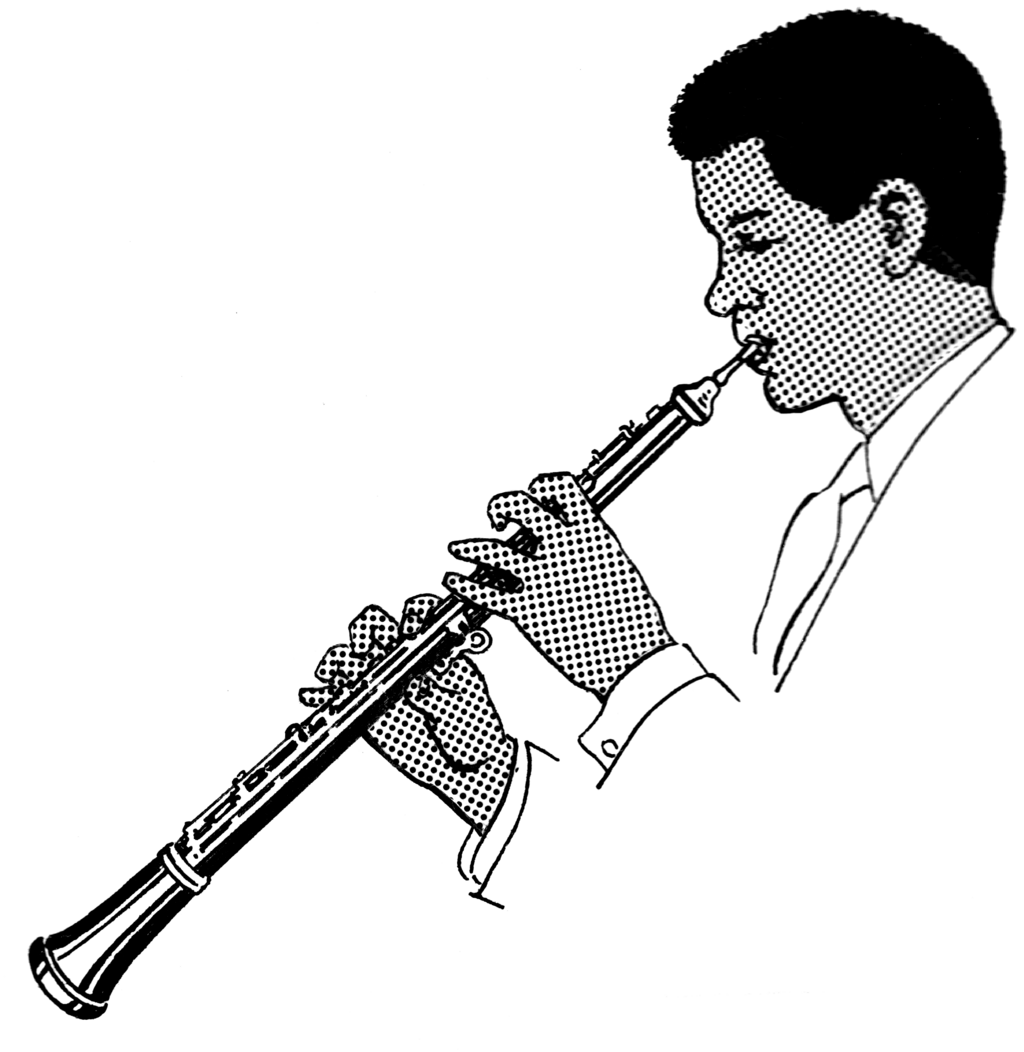
The instrument itself is only part of the equation. The player's control is the final, crucial ingredient. This is achieved through the embouchure, which is the specific way a musician uses their lips, facial muscles, and jaw to control the reed.
embouchure
noun
The way in which a player applies their mouth to the mouthpiece of a brass or wind instrument.
By making tiny adjustments to their embouchure, an oboist can change the pressure on the reed. This allows them to control not just the pitch of the notes, but also the tone quality, from dark and somber to bright and piercing. Mastering the embouchure is what allows a player to create an expressive, nuanced performance.
Let's review these core concepts.
Now, check your understanding of how an oboe makes its unique sound.
What is the primary source of sound in an oboe?
How does the oboe's conical bore affect the sound produced by the reed?
Together, the double reed, conical bore, and the player's embouchure combine to produce the oboe's distinctive and expressive voice.