Oboe Design and Construction
Oboe Design Basics
Anatomy of an Oboe
The modern oboe is a marvel of acoustic engineering, typically assembled from three main sections. At the top is the upper joint, where the player's left hand goes. Below that is the lower joint for the right hand. Finally, the instrument flares out into the bell, which helps project the sound.
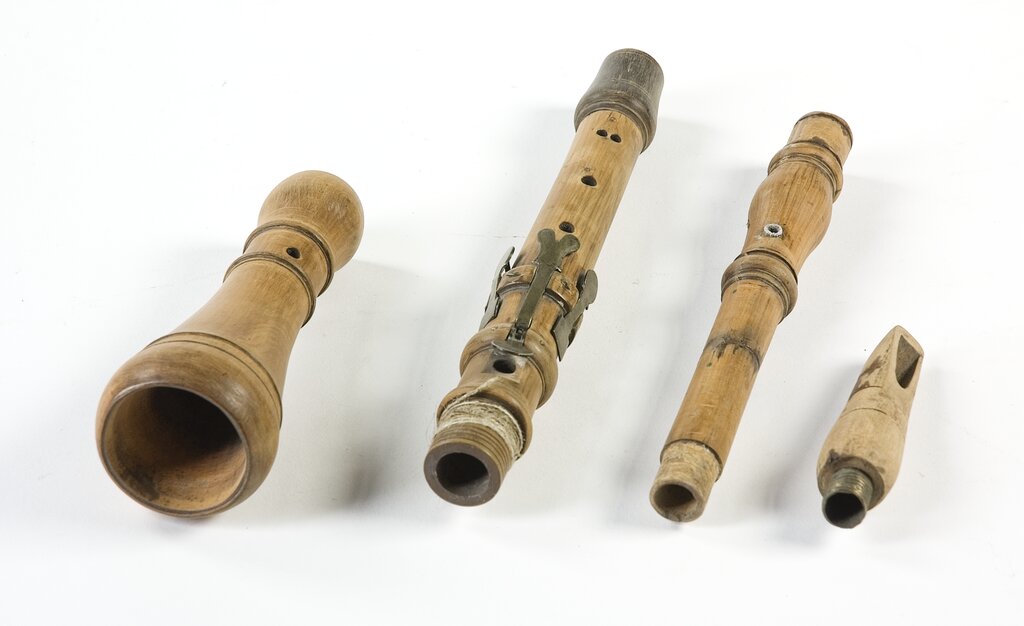
These pieces fit together snugly with cork-lined tenons. Running along the body is an intricate system of keys, pads, and levers. When a player presses a key, it opens or closes a tone hole, changing the length of the air column inside the instrument and thus altering the pitch.
Unlike a clarinet, which has a cylindrical bore (the inside chamber is a consistent width), the oboe has a conical bore. This means the internal chamber gradually widens from the top of the instrument down to the bell. This conical shape is a major contributor to the oboe's distinct, penetrating tone color.
The Heart of the Sound
The sound of an oboe begins with its reed. This small but essential component is what actually vibrates to create the sound waves. An oboe uses a double reed, which is made from two finely scraped pieces of cane tied together.
The oboe’s double reed is a crucial component that significantly influences its sound.
When the player blows air through the tiny opening between the two blades of cane, they vibrate rapidly against each other. This vibration is then amplified by the body of the oboe.
Making a good oboe reed is a delicate art. It begins with a specific type of cane, Arundo donax, which is split, gouged to a precise thickness, shaped, and then folded over. The two sides are scraped with a knife until they are paper-thin at the tip, and then tied securely to a small metal tube called a staple.
Because reeds are made from an organic material, they are sensitive to changes in temperature and humidity, and they wear out with use. For this reason, many serious oboists learn to make their own reeds, allowing them to customize each one to their exact preferences for tone and response.
Materials and Craftsmanship
The choice of materials is fundamental to an oboe's design, affecting its sound, durability, and playability. Traditionally, the body of a professional oboe is made from a dense, dark wood.
The most common choice is grenadilla, also known as African blackwood. This wood is favored for its stability and its ability to produce a rich, complex tone.
Other woods, such as cocobolo or rosewood, are sometimes used for their unique tonal qualities and appearance. For student models, durable plastic or composite materials are often used. These are more resistant to cracking from changes in weather and are less expensive to produce.
The intricate keywork that covers the oboe is typically made of nickel silver, an alloy of copper, nickel, and zinc. The keys are often plated with silver or, on high-end models, gold. The pads that cover the tone holes are made from cork or processed animal skin to create an airtight seal.
| Component | Professional Oboe | Student Oboe |
|---|---|---|
| Body | Grenadilla Wood | Plastic / Composite |
| Keys | Nickel Silver (Silver-Plated) | Nickel Silver (Nickel-Plated) |
| Pads | Cork / Skin | Cork / Synthetic |
Let's test your understanding of the oboe's basic design.
What are the three main sections of an oboe's body?
How does the internal shape, or bore, of an oboe contribute to its unique sound?
Understanding these core components—the body's construction, the function of the reed, and the materials used—is the first step in appreciating the design of this expressive instrument.