Oboe Careers Explained
Oboe Performance Careers
The Orchestra Seat
For many oboists, the ultimate goal is a seat in a symphony orchestra. It's a stable, prestigious career, but the competition is fierce. Within the orchestra's woodwind section, there are specific roles for oboists, each with distinct responsibilities.
The Principal Oboe is a leader. This player is responsible for tuning the entire orchestra before every rehearsal and concert. They play all the major oboe solos in the repertoire, which requires both technical mastery and profound musical expression. The sound of the principal oboe often defines the character of the woodwind section.
Next is the Second Oboe, sometimes called the Associate Principal. This role is about support and blend. The second oboist must match the principal's tone and intonation perfectly, creating a unified sound. While they have fewer solos, their precision is critical to the section's cohesion.
Many orchestras also have a dedicated English Horn player. The English horn is a larger, lower-pitched relative of the oboe. This musician is a specialist, called upon for the instrument's famously soulful and melancholic solos. Often, this player will also play oboe parts as needed.
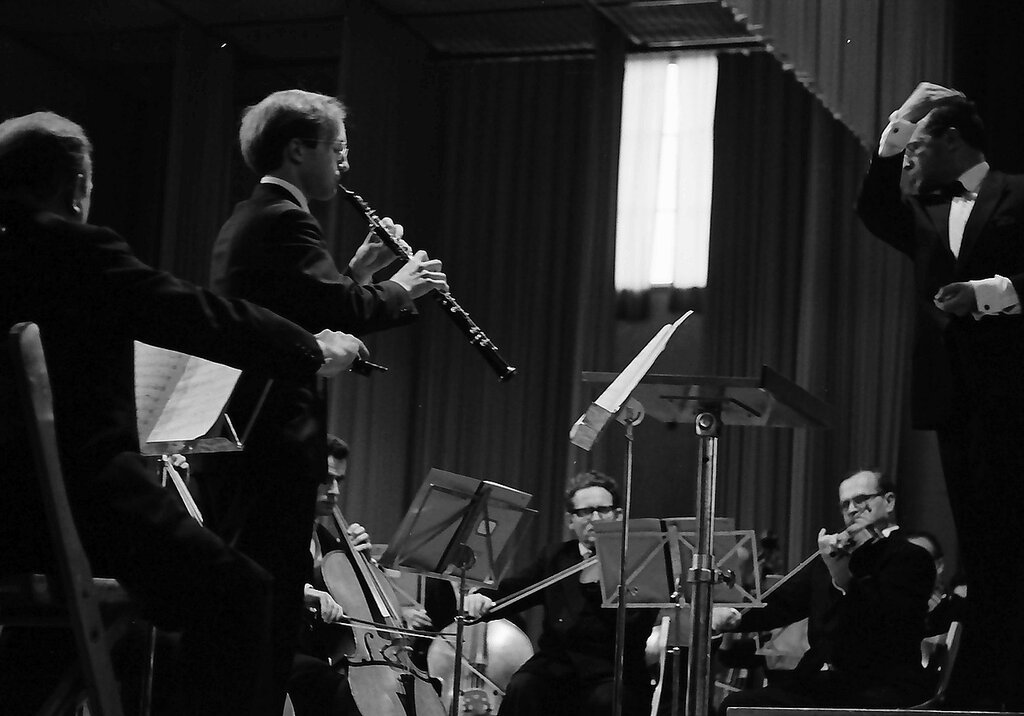
Winning an orchestra job involves a grueling audition process. Musicians often perform behind a screen to ensure anonymity, judged solely on their sound. They must prepare a list of standard orchestral excerpts and a solo piece, demonstrating their skill across a range of styles.
Chamber Music
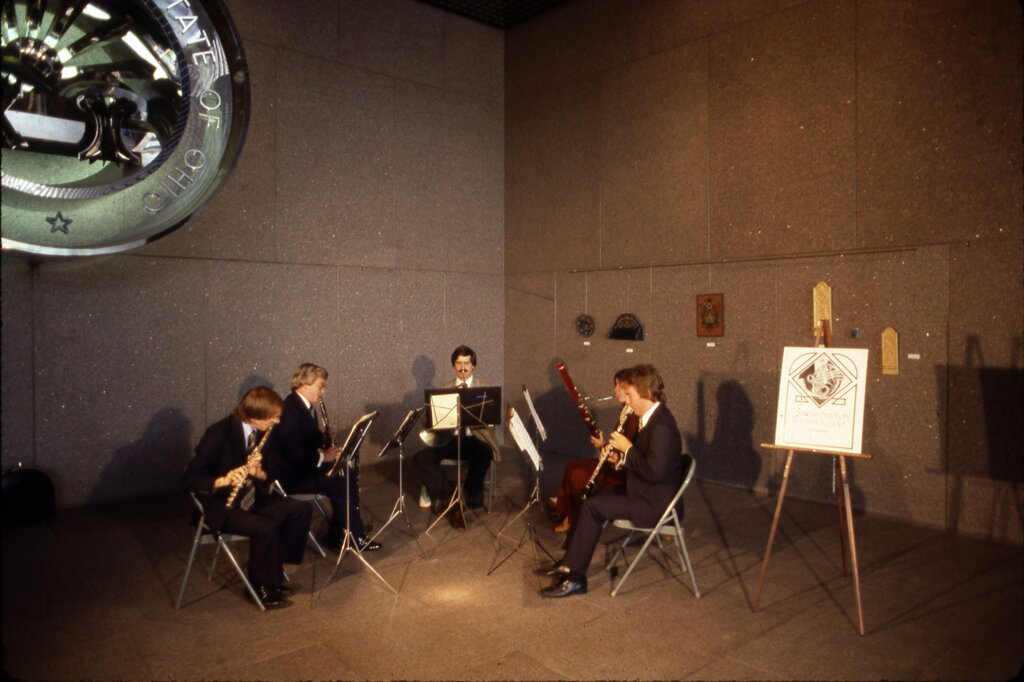
Outside the large symphony orchestra, many oboists find fulfilling careers in chamber music. This involves performing in small ensembles, where each musician plays a unique part. The most common group for an oboist is the woodwind quintet, which also includes a flute, clarinet, bassoon, and French horn.
Playing in a chamber group is a different experience. It's more of a musical conversation. With only one player per part, there's nowhere to hide. Every note counts. This setting requires incredible listening skills, flexibility, and a deep understanding of how your part fits with the others. The dynamic is highly collaborative, with players sharing ideas about interpretation and phrasing.
Many chamber musicians are also entrepreneurs. They form their own ensembles, manage their bookings, promote their concerts, and connect with their communities. It's a career path that combines high-level performance with business savvy.
The Soloist Path
The path of a solo performer is the rarest and perhaps most demanding. Oboe soloists are guest artists who perform concertos with orchestras, give recitals with pianists, and record albums. This career requires not only virtuosic technical ability but also a captivating stage presence and a unique musical voice that sets them apart.
Building a solo career involves more than just practicing. It means winning major competitions, networking with conductors and concert presenters, and managing a personal brand. Soloists travel constantly, adapting to new orchestras and concert halls each week. While it offers the greatest individual artistic freedom, it also comes with the least stability.
Ready to test your knowledge of oboe performance careers?
Which orchestral musician is responsible for tuning the entire orchestra before a performance?
What is the primary role of the Second Oboe in an orchestra?
Whether in an orchestra, a quintet, or center stage, a performance career requires dedication, skill, and a deep love for the oboe's unique voice.