Oboe Careers
Introduction to Oboe Careers
Life with an Oboe
So, you love the oboe. Its unique, penetrating sound can lead an orchestra or blend into a small ensemble. But can it lead to a career? Absolutely. A life in music isn't a single, narrow road. It's a network of paths, and a skilled oboist has more options than you might think.
The Performance Path
For many, the dream is to perform. This is the most visible career path, and it takes several forms.
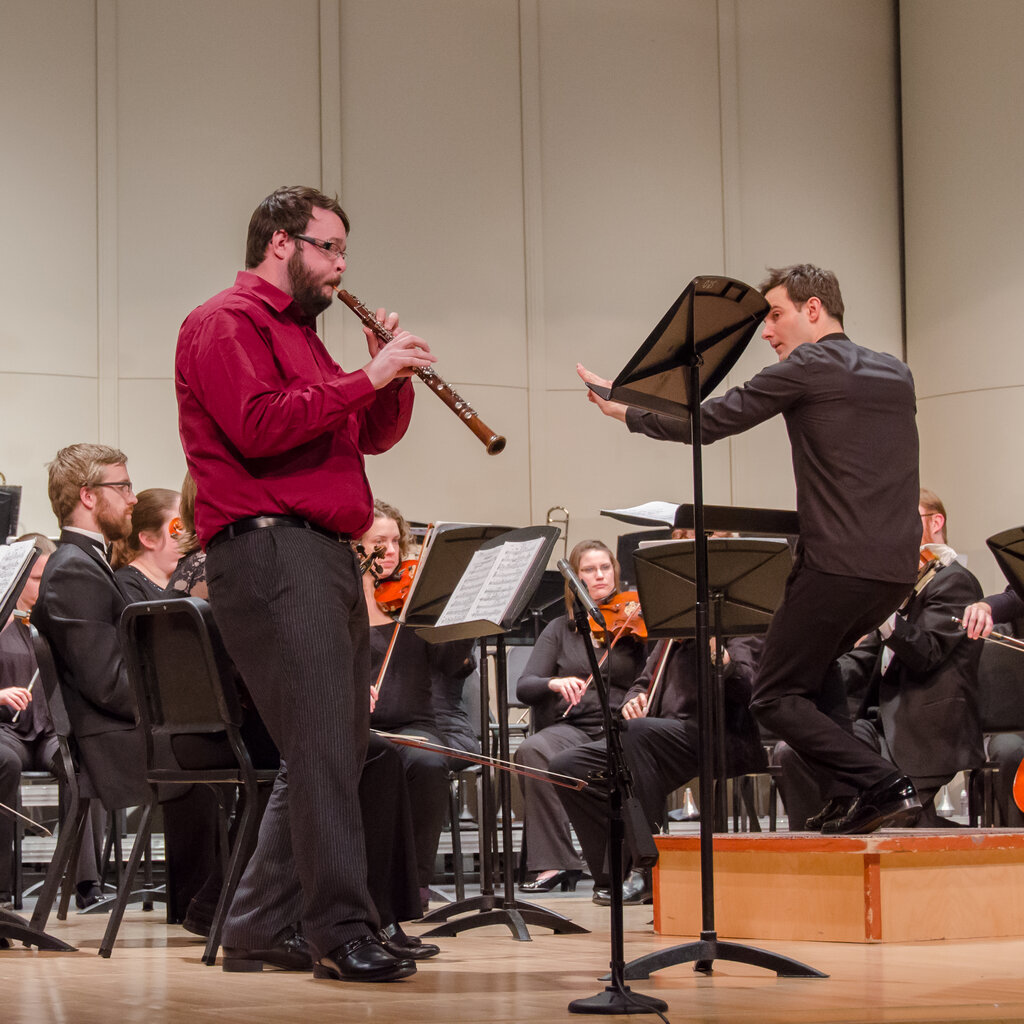
The most common goal is playing in an orchestra. Oboists are essential members, often playing famous solos and even giving the tuning note (the 'A') for the entire orchestra before a concert. Landing a full-time orchestral job is competitive, but it's a stable and rewarding career for those who achieve it.
Chamber music offers a more intimate setting. In a woodwind quintet or a mixed ensemble, you're not just a member of a section; you're a soloist in constant dialogue with your fellow musicians. This path requires strong collaboration skills and a deep understanding of how your part fits with others.
Then there's the solo career. This is the path of the virtuoso, performing concertos with orchestras or giving solo recitals. It's a demanding road that requires not only incredible technical skill but also a magnetic stage presence.
Beyond the Stage
Not every music career happens under the bright lights. Many talented oboists find fulfilling work away from the concert hall.
Teaching is a popular and vital role. Oboists can give private lessons, work in public or private schools, or teach at the university level. Sharing your passion and nurturing the next generation of musicians is a profoundly rewarding way to build a career.
There are also crucial roles in music administration. Every orchestra, opera house, and music festival needs people to manage its operations. An oboist’s deep knowledge of music can be a huge asset in jobs like personnel manager, music librarian, or artistic administrator. These roles combine a love for music with skills in organization and leadership.
Building Your Foundation
No matter which path you choose, the foundation is the same: dedication and skill. Years of focused practice are non-negotiable. Beyond technical mastery, successful musicians need to be versatile, reliable, and good colleagues.
Formal education is almost always part of the journey. This journey usually starts with a great private teacher. Many aspiring professionals go on to earn a bachelor's degree in music performance, and often a master's degree or doctorate as well. These programs are where you hone your craft, learn from experts, and build a network of peers and mentors who will be part of your professional life for years to come.
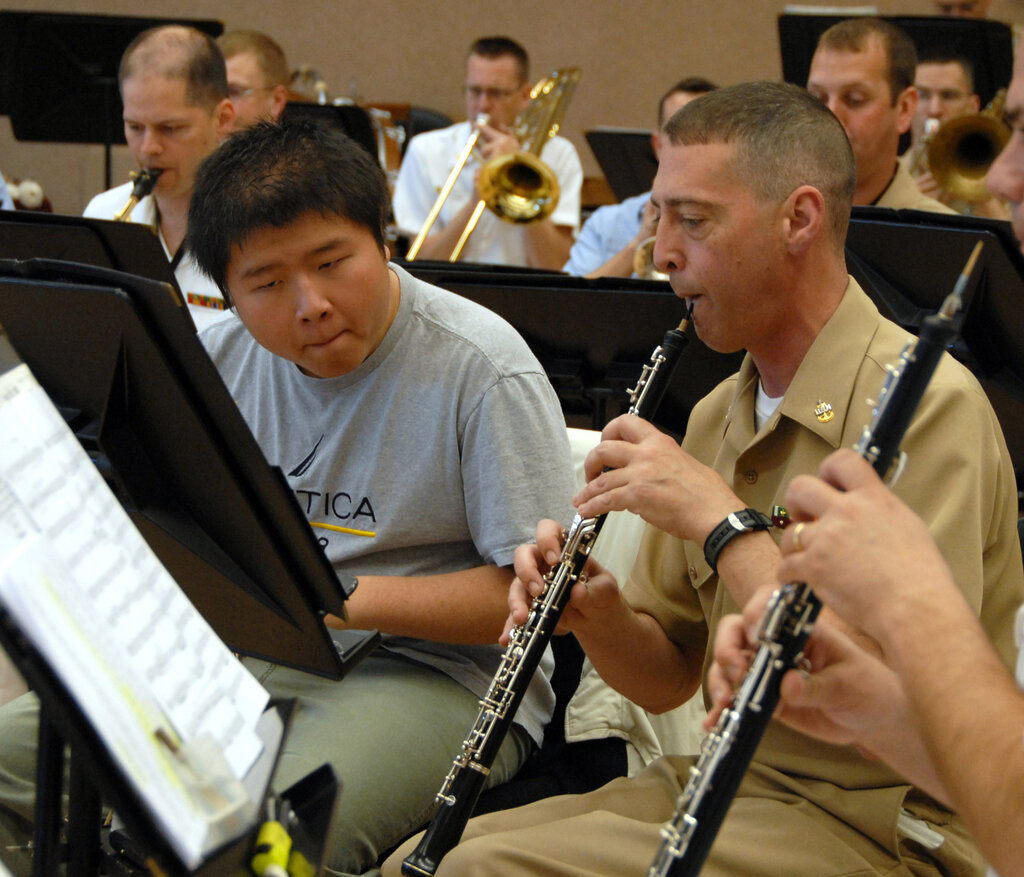
A career in music is a marathon, not a sprint. The skills you build—discipline, creativity, and collaboration—are valuable no matter where your path leads.
Ready to see what you've learned about the different careers available to an oboist? Let's find out.
In an orchestra, what is a unique responsibility often given to the oboist before a concert begins?
Which career path most emphasizes a constant, intimate musical "dialogue" with a small number of fellow musicians?
Whether on stage, in a classroom, or behind the scenes, a passion for the oboe can open the door to a variety of fulfilling careers.