Oboe Career Pathways
Oboe Performance Careers
The Orchestra Seat
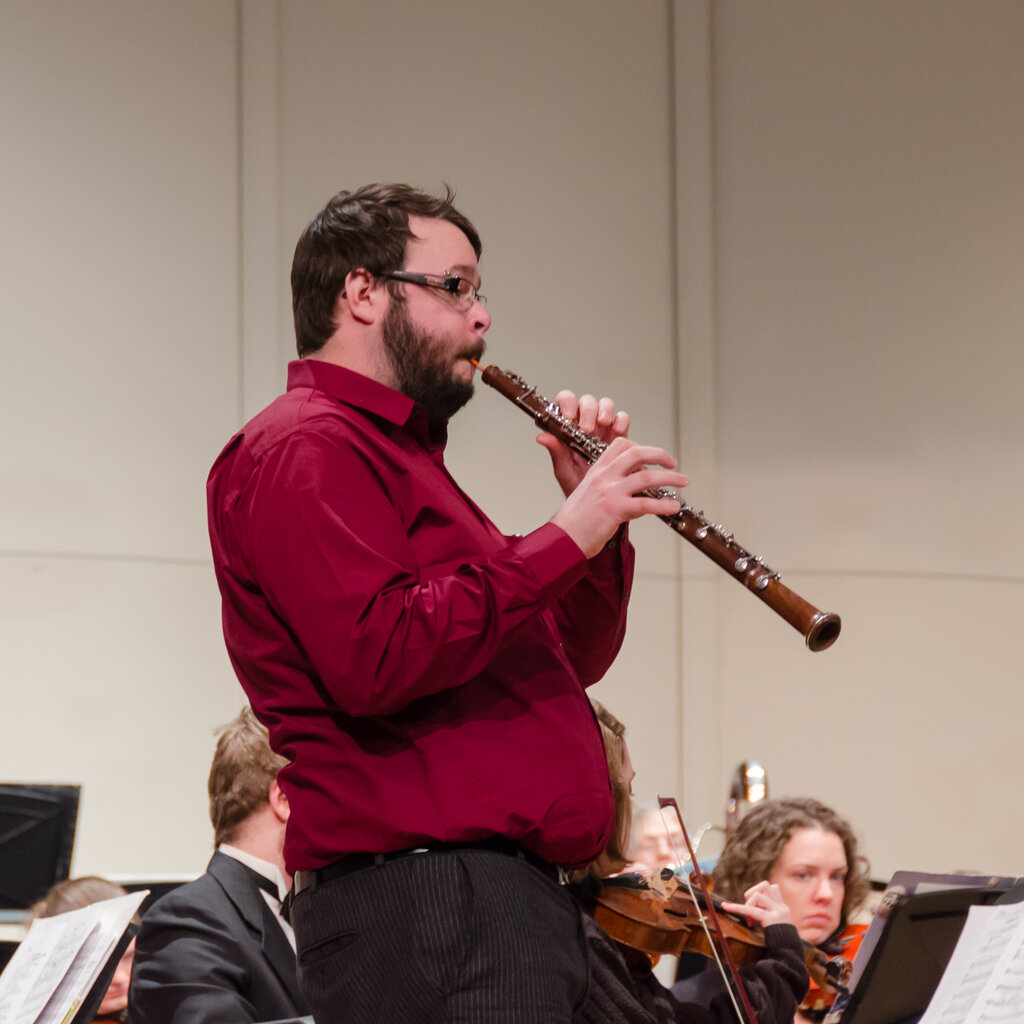
For many oboists, the ultimate goal is a seat in a professional symphony orchestra. These are highly competitive, prestigious positions that demand exceptional skill and artistry. Within the orchestra, the oboe section typically has a few key roles. The Principal Oboe is the leader, playing all the major solos and setting the tone for the woodwind section. It's the Principal Oboe that plays the A to tune the entire orchestra before a concert.
Other roles include the Second Oboe, who supports the principal and sometimes doubles on the English horn, a larger, lower-pitched cousin of the oboe. Life in a symphony involves a rigorous schedule of daily rehearsals and several performances each week. It requires not just technical mastery, but also the ability to blend seamlessly with dozens of other musicians.
Smaller Ensembles Big Roles
Chamber orchestras offer a more intimate setting. With fewer players, each musician has a more prominent role. The music often feels more like a conversation between instruments, and oboists in these groups need to be strong, independent players.
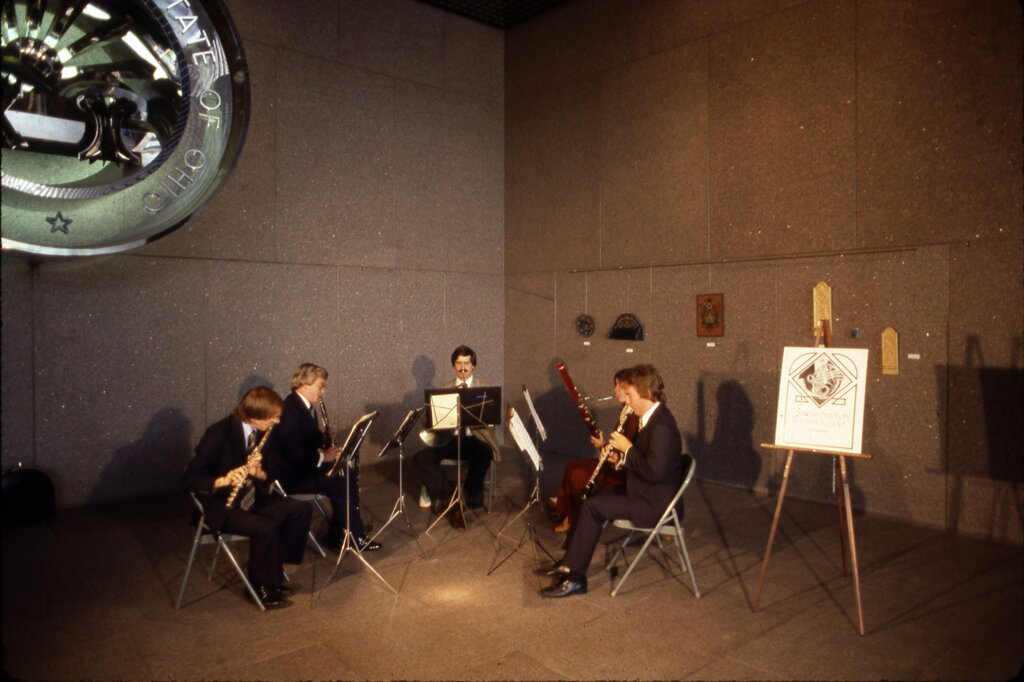
Beyond chamber orchestras, many oboists find work in smaller, specialized groups like woodwind quintets. These ensembles, typically featuring a flute, oboe, clarinet, bassoon, and French horn, perform a wide variety of music and often tour, bringing classical music to smaller venues and schools. This career path demands versatility and strong collaborative skills, as you're working closely with just a few other people.
Serving Through Music
Military bands provide another stable and rewarding career path. The United States Armed Forces have several elite premier bands that are considered some of the finest musical ensembles in the world. These positions are full-time jobs with competitive salaries, health benefits, and retirement plans.
Musicians in military bands perform at a wide range of events, from formal state ceremonies and parades to public concerts and international tours. The job requires the same high level of musicianship as a symphony orchestra, along with the discipline and commitment of a service member. Auditions are just as rigorous, but the career offers a unique blend of musical performance and public service.
The Path to the Stage
Landing any of these performance jobs begins with the audition. Most professional orchestra auditions are "blind," meaning the musician performs behind a screen. This ensures the hiring committee judges players solely on their sound and musicality, not on their identity or resume.
The process is grueling. It usually starts with a resume and recording submission. If you pass that round, you're invited to live auditions which can last several days. You'll be asked to play solo pieces and a list of standard, notoriously difficult excerpts from orchestral music that every aspiring professional oboist must master.
An audition isn't just about playing the notes right. It's about proving you can perform flawlessly under immense pressure.
Beyond the audition, professional expectations are high. Punctuality, meticulous preparation, and the ability to work well with colleagues are essential. The music world is small, so your reputation matters. Networking is a quiet but crucial part of building a career. Attending music festivals, taking lessons with prominent players, and building relationships with peers can open doors to future opportunities.
Some organizations also offer fellowship programs. These are paid, fixed-term positions for emerging musicians to gain professional experience by playing with a top-tier orchestra. They are a fantastic bridge between student life and a full-time career.
Ultimately, a performance career requires continuous skill development. The work of practicing, refining your technique, and perfecting the craft of reed making never truly ends. It's a lifelong commitment to the instrument and the music.
Ready to test your knowledge of the oboist's career path?
What is the unique responsibility of the Principal Oboe in a symphony orchestra before a concert begins?
What is the primary purpose of a "blind" audition for a professional orchestra?
Building a career in oboe performance is a marathon, not a sprint. It demands dedication, resilience, and an unwavering passion for music.