Oboe AI Explained
Introduction to Oboe AI
AI for Your Ears
Artificial intelligence is changing how we interact with the world, from the way we write to the images we create. The world of sound is no different. AI is now being used to analyze, improve, and even generate audio in ways that were once the stuff of science fiction.
Imagine an AI that can clean up a noisy recording, making a speaker's voice crystal clear. Or think of software that can compose a brand-new piece of music in the style of your favorite composer. This is the new frontier of audio processing.
This is where a system like Oboe AI comes in. Its goal is to use the power of generative AI to help create and refine audio. Think of it as a smart toolkit for sound, designed to make complex audio tasks simpler and more accessible.
What Oboe AI Does
Oboe AI focuses on two main areas: processing existing audio and generating new audio. These capabilities open up a wide range of possibilities.
Key features include:
- Audio Enhancement: Improving the quality of recordings by removing background noise, balancing volume levels, or sharpening muffled sounds.
- Sound Analysis: Identifying and classifying different sounds within an audio file. For example, it could distinguish between a guitar, a piano, and a drum in a piece of music.
- Music Generation: Creating original melodies, harmonies, and even full musical compositions based on simple instructions or stylistic examples.
- Voice Synthesis: Generating realistic human speech from text, which can be used for anything from narration to creating virtual assistants.
The core idea is to provide tools that are both powerful for professionals and intuitive enough for beginners to use for their creative projects.
Creating Music with AI
One of the most exciting areas of AI audio is music generation. Traditionally, composing music required years of training in music theory and instrumental skill. AI music generators are changing that.
These technologies work by learning from vast amounts of existing music. They analyze patterns, structures, and styles to understand what makes a melody sound happy, sad, or exciting. Once trained, the AI can generate new musical sequences that follow these learned patterns.
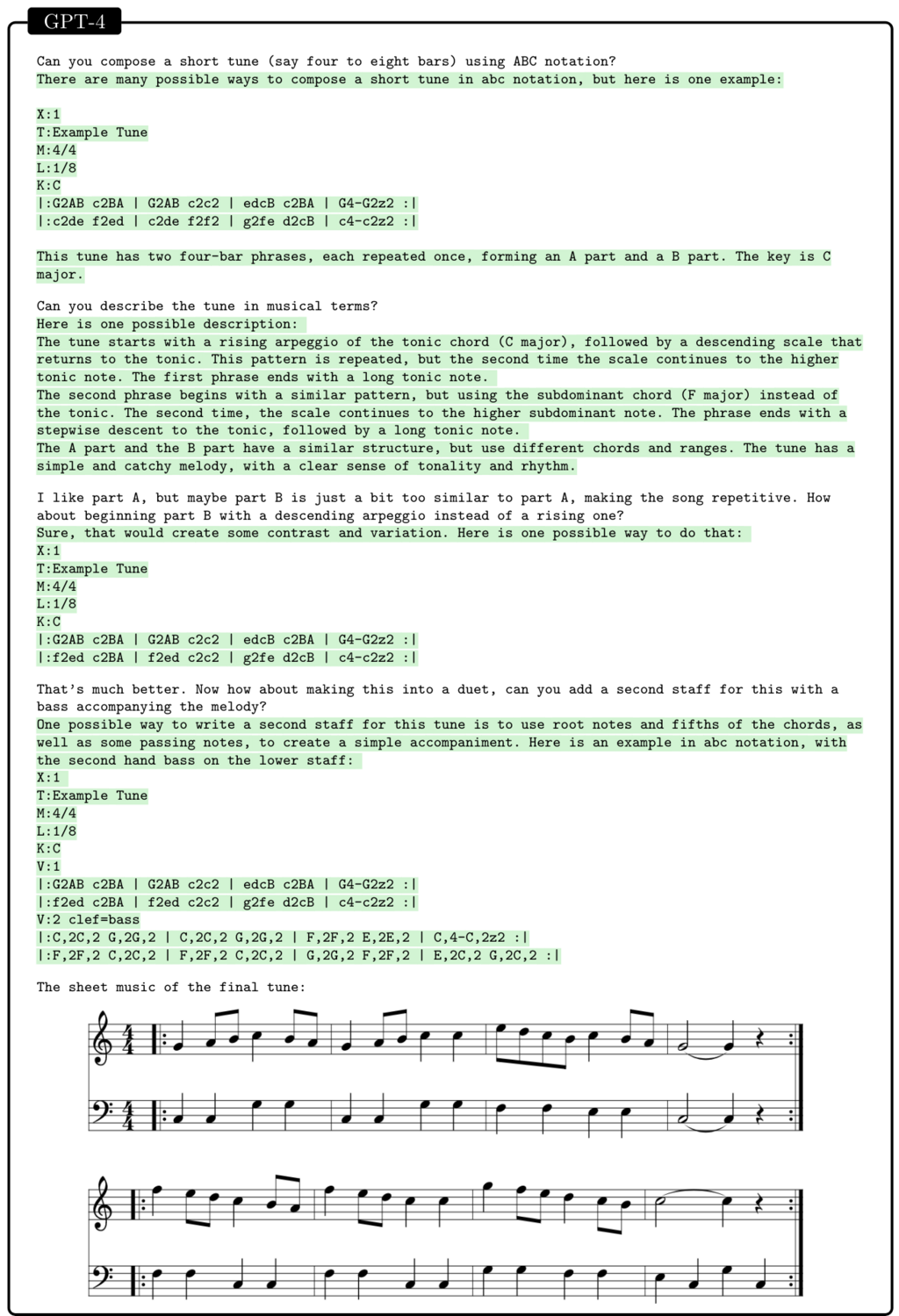
You could ask an AI to create a “calm piano melody for studying” or a “fast-paced electronic track for a workout video.” The system then uses its knowledge to compose a piece that fits your request. This doesn't replace human creativity, but it offers a powerful new tool for artists, filmmakers, and anyone who needs original music.
Now, let's test your understanding of these initial concepts.
According to the text, what are the two primary functions of an AI audio system like Oboe AI?
A filmmaker needs a short, original piano piece for a sad scene but has no budget for a composer. Which feature would be the most direct solution?
As we've seen, AI is becoming an essential tool in the world of audio, offering new ways to create and perfect sound.