NYC Hasidic Yiddish
Introduction to Yiddish
What is Yiddish?
Yiddish is the historical language of Ashkenazi Jews. For centuries, it was the common tongue for millions in Central and Eastern Europe, used for everything from lullabies to business deals to religious debates.
Think of it as a linguistic fusion. The foundation is mostly medieval German, which provides the basic grammar and a large part of the vocabulary. But woven into this Germanic base are thousands of words from Hebrew and Aramaic, especially for religious and cultural concepts. As Jews migrated eastward across Europe, a third major ingredient was added: Slavic languages like Polish, Ukrainian, and Russian.
So, while a German speaker might recognize many words, the unique blend of Hebrew and Slavic elements makes Yiddish a distinct language all its own.
The Language's Journey
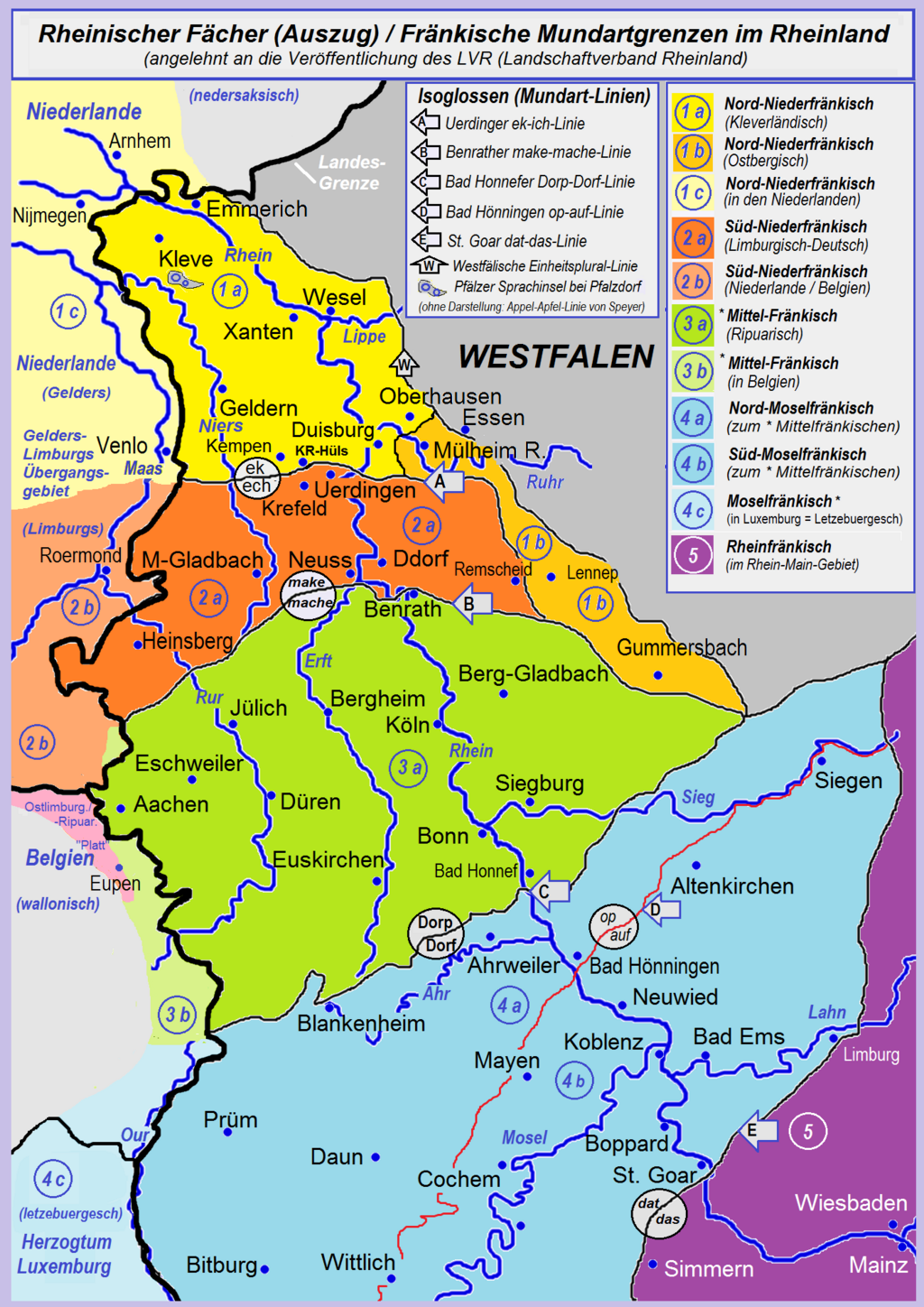
The story of Yiddish is a story of migration. It began in the Jewish communities along the Rhine River in Germany. Over the following centuries, persecution and economic opportunity pushed these communities eastward into Poland, Lithuania, the territories of modern-day Ukraine, Belarus, and Russia.
In these new lands, Yiddish absorbed new sounds and words from its Slavic neighbors, evolving and expanding. By the early 20th century, it was spoken by over 10 million people and was the heart of a vibrant culture that included a world-class literary scene, a thriving press, and popular theater.
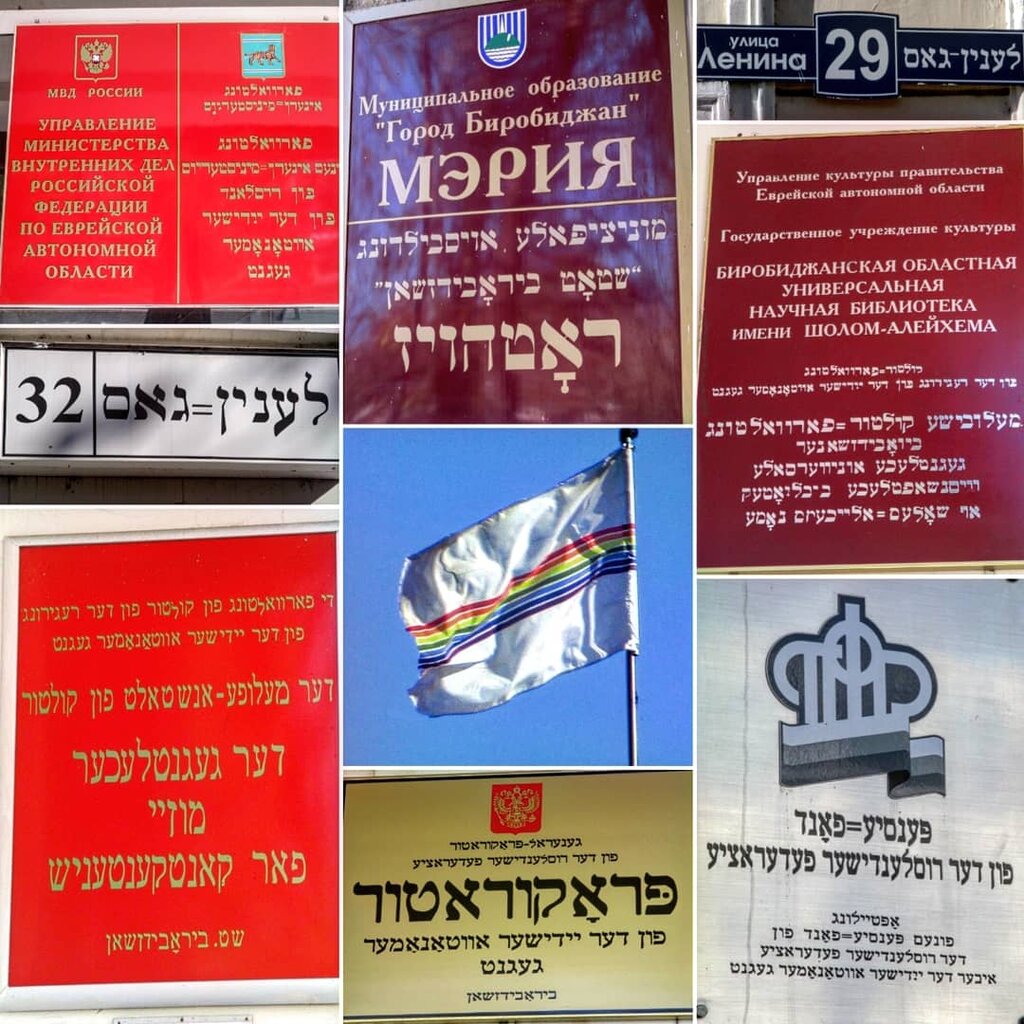
The 20th century brought devastation. The Holocaust destroyed the heartland of Yiddish speakers in Europe. In other places, like the United States and the Soviet Union, assimilation led many to adopt the dominant local languages. Yet, the language survived. Today, it is experiencing a revival, both in secular academic circles and, most significantly, in Hasidic communities around the world.
The Building Blocks
Yiddish uses the Hebrew alphabet, but it functions a bit differently. In Hebrew, most vowels are indicated by marks written below or above the letters. Yiddish adapted the alphabet to be fully phonetic, using certain Hebrew letters to consistently represent vowel sounds, much like the letters A, E, I, O, U in English.
| Language Source | Contribution |
|---|---|
| Germanic | Core grammar and majority of vocabulary |
| Hebrew & Aramaic | Religious, cultural, and abstract concepts |
| Slavic | Everyday objects, feelings, and expressions |
Let's look at an example sentence to see how these components work together. Consider the sentence: "The grandfather tells a story."
The grandfather tells a story
In this sentence:
Der(The) anddertseylt(tells) come from German.Zeyde(grandfather) has Slavic roots.Mayse(story) comes from Hebrew.
This single sentence shows the rich, layered nature of the language.
More Than Just Words
For Ashkenazi Jews, Yiddish was never just a tool for communication. It was the language of the home, the street, and the marketplace. It was the medium for passing down traditions, jokes, and values from one generation to the next.
While Hebrew was traditionally the holy tongue reserved for prayer and sacred texts (loshn-koydesh), Yiddish was the everyday language (mame-loshn, or "mother tongue"). It was the language that gave voice to the daily joys, struggles, and hopes of a people. This close connection to everyday life and cultural identity is why Yiddish holds such a special place in the hearts of those who speak it.
With this foundation, we can begin to explore the specific ways the language is used today.