Nutrition for Healthy Aging
Introduction to Nutrition
The Building Blocks of Your Body
Everything you eat and drink provides the raw materials your body needs to function. Think of it like a construction site. Some materials provide the energy to run the machinery, while others are the actual bricks and mortar used to build and repair structures. Nutrition is the science of understanding these materials.
These essential materials are sorted into two main groups: macronutrients and micronutrients. The names might sound technical, but the idea is simple. "Macro" means large, and "micro" means small. You need large amounts of macronutrients and small amounts of micronutrients.
Macronutrients The Big Three
Macronutrients are the heavy lifters of your diet. They provide the energy, measured in calories, that fuels everything from a morning run to the simple act of breathing. They also supply the materials for building and maintaining your body's tissues. There are three types of macronutrients: carbohydrates, proteins, and fats.
Carbohydrate
noun
A primary source of energy for the body, found in foods like grains, fruits, and vegetables.
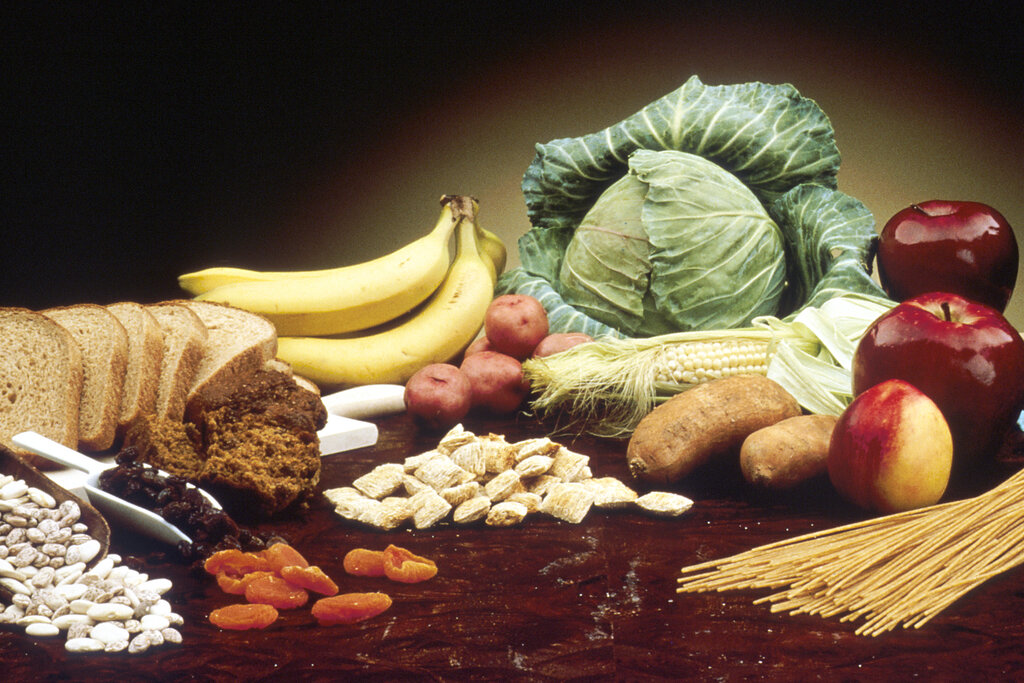
Carbohydrates are your body’s preferred fuel source. When you eat carbs, your body breaks them down into glucose, a type of sugar that your cells can easily use for energy. It's like putting gasoline in a car. Without it, you're not going anywhere.
Good sources include fruits, vegetables, beans, and whole grains like oats and brown rice. These foods provide a steady release of energy. Sugary drinks and pastries, on the other hand, give you a quick burst of energy followed by a crash.
Next up is protein. If carbs are the fuel, proteins are the building blocks. Your body uses protein to build and repair tissues, from your muscles and bones to your hair and skin. It’s also essential for making enzymes and hormones that regulate countless bodily functions.
You can find protein in foods like meat, fish, eggs, and dairy products. Plant-based sources are also plentiful and include beans, lentils, tofu, nuts, and seeds.
Protein
noun
A macronutrient essential for building and repairing tissues and for making enzymes and hormones.
Finally, we have fats. For a long time, fats got a bad rap, but they are absolutely essential for your health. Fats are a major source of stored energy. They also help your body absorb certain vitamins (A, D, E, and K), protect your organs, and are vital for producing important hormones.
The key is to focus on healthier, unsaturated fats found in avocados, nuts, seeds, and olive oil. Saturated and trans fats, often found in processed foods and red meat, are the ones to limit.
A balanced diet isn't about cutting out any one macronutrient. Your body needs carbohydrates for energy, protein for repair, and fats for storage and absorption. They all work together.
Micronutrients Small but Mighty
Unlike macronutrients, you only need tiny amounts of micronutrients. They don’t provide energy, but they are critical for your body to function properly. Think of them as the spark plugs in a car's engine. The car runs on gas (macronutrients), but without the spark plugs, nothing happens.
Micronutrients are broadly divided into two categories: vitamins and minerals.
Micronutrients are vitamins and minerals that are critical for optimal brain function in very small amounts.
Vitamins are organic compounds made by plants and animals that help facilitate chemical reactions in the body. For example, Vitamin C is crucial for a healthy immune system and skin, while B vitamins help you extract energy from the food you eat.
Minerals are inorganic elements that come from the earth. They have a wide range of jobs. Calcium, for instance, is famous for building strong bones and teeth, while iron is essential for carrying oxygen in your blood. Other important minerals include potassium, magnesium, and zinc.
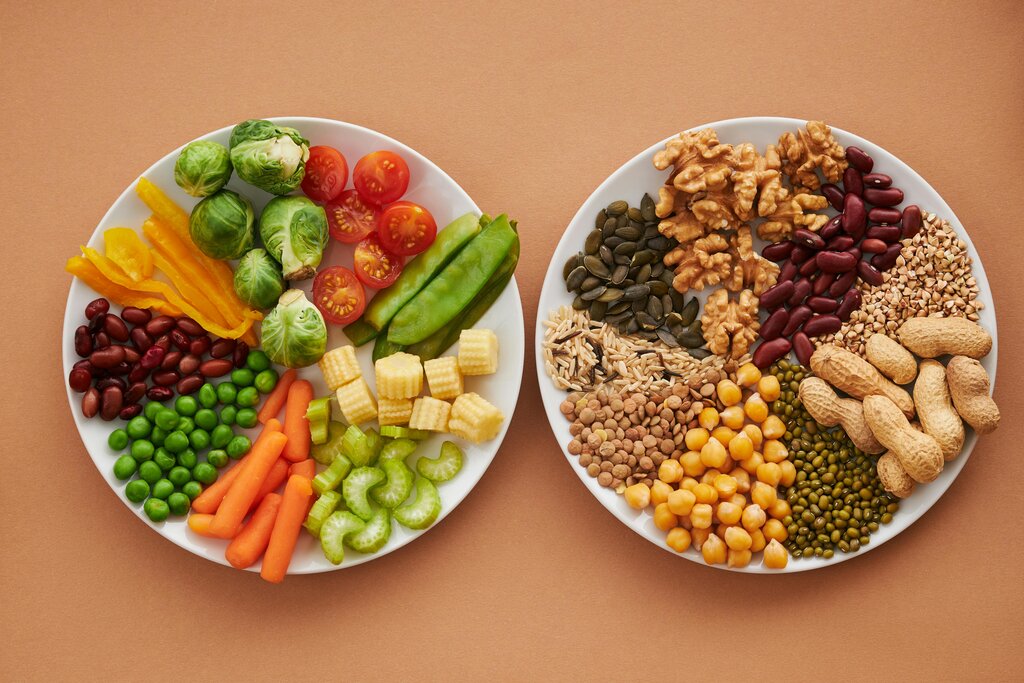
The best way to get a full spectrum of micronutrients is to eat a wide variety of colorful fruits and vegetables. Each color often indicates the presence of different vitamins and minerals.
Putting It All Together
A balanced diet provides the right mix of macro and micronutrients to keep you healthy. It’s not about perfection, but about patterns. Aim for meals that include a source of protein, healthy carbohydrates, and good fats, along with plenty of vitamin- and mineral-rich plants.
This approach ensures your body gets both the energy and the essential components it needs to thrive. Understanding these fundamentals is the first step toward making informed choices about your food.
What is the primary function of macronutrients in the human body?
Which of the following meals provides a balanced source of all three macronutrients?