Nutrition for Adolescent Girls
Adolescent Nutrition Basics
Fueling the Teen Years
Adolescence is a time of incredible change. Your body is growing and developing at a rapid pace, second only to infancy. For girls, this period includes growth spurts, the start of menstruation, and significant hormonal shifts. Proper nutrition isn't just about having energy for school and sports; it's the essential fuel that powers all of these changes, building a strong foundation for a healthy life.
The Big Three: Carbs, Proteins, and Fats
The nutrients your body needs in large amounts are called macronutrients. They provide the energy and building blocks for everything your body does. The three macronutrients are carbohydrates, proteins, and fats.
Think of carbohydrates as your body's main fuel source. They provide the energy needed for your brain to focus, your muscles to move, and your organs to function. Complex carbs, found in whole grains, fruits, and vegetables, are best because they release energy slowly and steadily.
Proteins are the construction crew. They build and repair tissues, from muscles and bones to skin and hair. During a growth spurt, getting enough protein is critical for building a strong, healthy body. Good sources include lean meats, fish, beans, lentils, tofu, and eggs.
Fats often get a bad rap, but they are vital for health. Healthy fats are essential for brain development and the production of hormones that regulate your menstrual cycle. They also help your body absorb certain vitamins. Look for healthy fats in avocados, nuts, seeds, and olive oil.
| Macronutrient | Primary Role | Good Food Sources |
|---|---|---|
| Carbohydrates | Main source of energy | Whole grains, fruits, vegetables, beans |
| Protein | Builds and repairs tissue | Lean meat, poultry, fish, eggs, dairy, legumes |
| Fat | Hormone production, brain health | Avocados, nuts, seeds, olive oil, fatty fish |
Small but Mighty Micronutrients
Micronutrients are the vitamins and minerals your body needs in smaller amounts, but they are just as important. They act like spark plugs, enabling countless chemical reactions that keep you healthy. For adolescent girls, a few are especially crucial.
Anemia
noun
A condition in which the blood lacks adequate healthy red blood cells, leading to fatigue and weakness.
Iron is a key component of red blood cells, which carry oxygen throughout your body. With the start of menstruation, girls lose iron each month, increasing the risk for iron-deficiency anemia, which can cause fatigue and poor concentration. To get enough iron, eat lean red meat, poultry, fish, beans, spinach, and iron-fortified cereals.
Calcium is the primary building block for bones. About half of your adult bone mass is built during your teenage years. Getting enough calcium now is like making a deposit in your bone bank for the future, helping to prevent osteoporosis later in life. Dairy products like milk, yogurt, and cheese are excellent sources, as are leafy greens and fortified plant-based milks.
Vitamin D works hand-in-hand with calcium. Your body can't effectively absorb calcium without enough vitamin D. While you can get vitamin D from sunlight, it's also found in fatty fish (like salmon), egg yolks, and fortified foods like milk and cereal.
Folate, one of the B vitamins, is vital for making new cells and DNA. It's particularly important for growth and development. Find it in leafy green vegetables, citrus fruits, and beans.
What Does a Healthy Day Look Like?
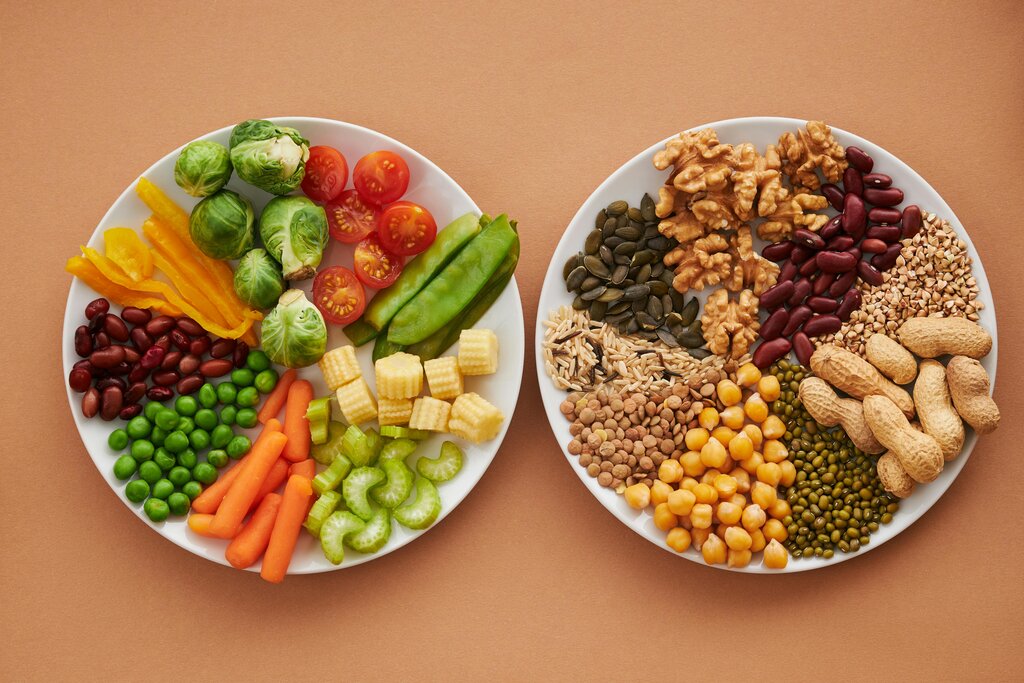
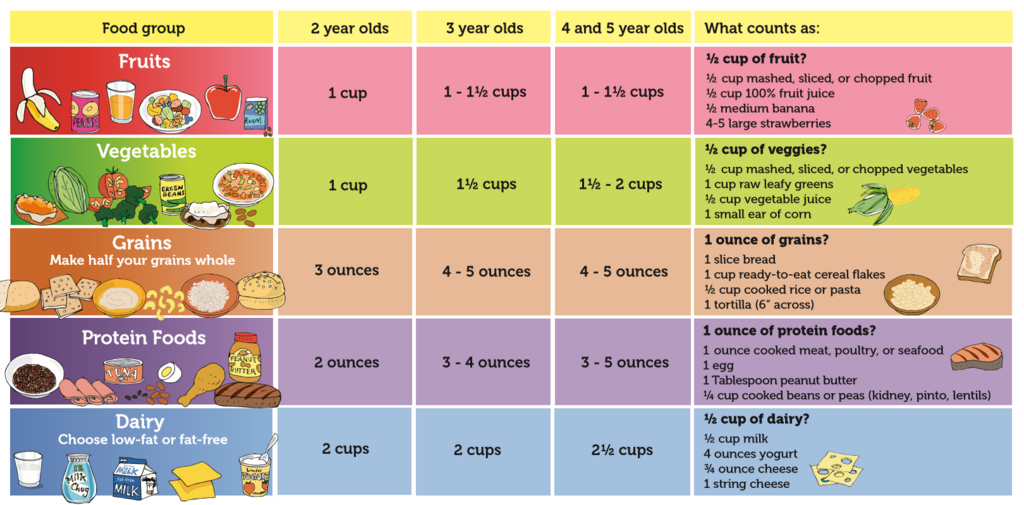
Knowing which nutrients you need is one thing; putting them on your plate is another. While exact needs vary based on age, activity level, and growth rate, a simple guide is the "plate method." Aim to fill half your plate with fruits and vegetables, a quarter with lean protein, and a quarter with whole grains. This simple visual cue helps ensure you're getting a good balance of macros and micros at every meal.
One of the biggest nutritional challenges for teens is skipping meals, especially breakfast, and relying on processed snack foods that are often high in sugar and unhealthy fats but low in essential nutrients. This can lead to undernutrition, where you get enough calories but not enough of the vitamins and minerals needed for healthy development. Prioritizing whole, unprocessed foods is the best way to fuel your body and mind.
Eating well during your teen years sets the stage for a lifetime of good health. It gives your body the tools it needs to navigate this period of rapid growth, supporting everything from bone density to brain function.
What is the primary role of protein in the body during the adolescent growth spurt?
Why is it especially important for adolescent girls to consume enough iron after they begin menstruating?