Nutrition Essentials for Young Teen Girls
Introduction to Nutrition
The Fuel for You
Have you ever thought about what food actually does inside your body? It's more than just something to stop your stomach from rumbling. The food you eat is the fuel and the building material for everything your body does, from acing a test to growing taller.
Nutrition
noun
The process of providing or obtaining the food necessary for health and growth.
As a teenager, your body is in major construction mode. You're growing faster than at almost any other time in your life. This rapid growth requires a lot of energy and specific raw materials. That's where nutrition comes in. Getting the right nutrients helps build strong bones, supports a healthy brain, and gives you the energy you need for school, sports, and hanging out with friends. Think of it as supplying a construction site with the best possible bricks, wood, and wiring.
The Big Three: Macronutrients
Your body needs nutrients in different amounts. The ones you need in large amounts are called macronutrients. There are three of them: carbohydrates, proteins, and fats. They are the main energy providers and building blocks for your body.
First up are carbohydrates, often just called "carbs." Their main job is to give you energy, quickly. Your brain, in particular, loves carbs for fuel. It's what helps you focus in class and power through your day. You'll find them in foods like bread, pasta, fruits, and vegetables.
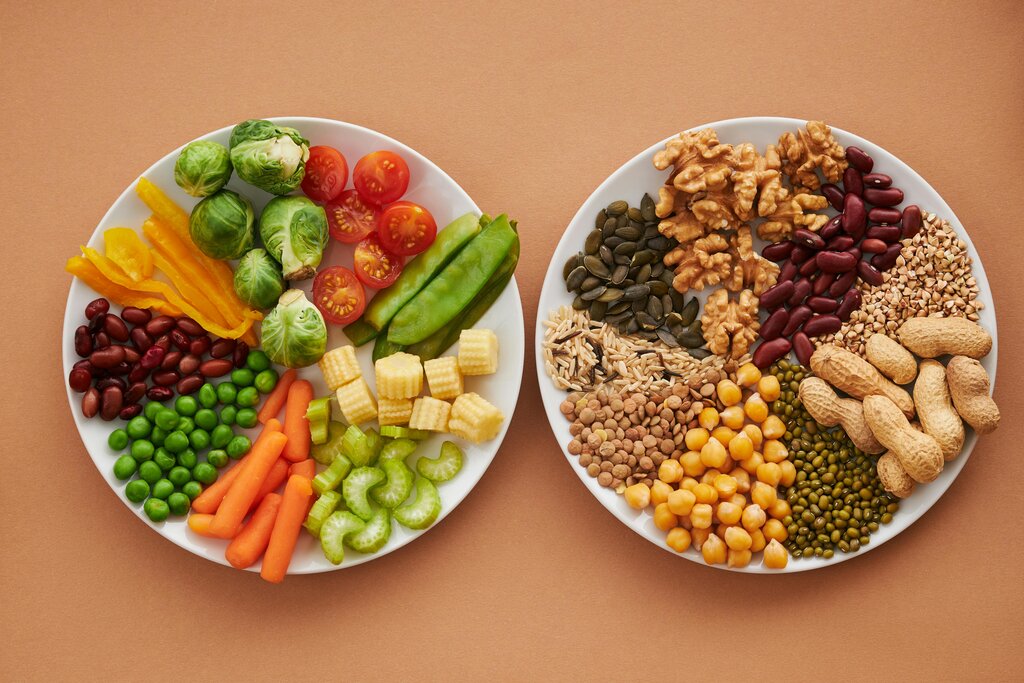
Next is protein. If carbs are your body's fuel, protein is its building crew. Protein is essential for growth and repairing tissues. It builds everything from your muscles and skin to your hair and nails. During your teen years, when you're growing so much, getting enough protein is especially important. Good sources include beans, lentils, nuts, tofu, fish, and chicken.
Last but not least are fats. Fats have sometimes gotten a bad reputation, but they are absolutely essential for your health. They are a major source of energy, help your body absorb certain vitamins, and are critical for brain development and hormone production. The key is to focus on healthy fats, which you can find in avocados, nuts, seeds, and olive oil.
Carbohydrates give you energy. Proteins build and repair your body. Fats support your brain and help you absorb vitamins.
The Helpers: Micronutrients
While you need macronutrients in large amounts, you need micronutrients in smaller doses. But don't let their small size fool you, they are incredibly powerful. Micronutrients are the vitamins and minerals that help your body with hundreds of different tasks.
Vitamins help with things like fighting off sickness, converting food into energy, and keeping your eyes and skin healthy. For example, Vitamin C helps your immune system, while Vitamin D is crucial for strong bones.
Minerals have different jobs. Calcium, for instance, is a superstar for building strong bones and teeth, which is vital during your teen years. Iron is another key player; it helps carry oxygen in your blood, which is why a lack of it can make you feel tired and weak.
You don't need to memorize every single vitamin and mineral. The best way to make sure you're getting enough of these micronutrient helpers is to eat a wide variety of colorful fruits and vegetables. Each color often signals different nutrients, so eating a rainbow of foods is a great strategy.
Micronutrients are nutrients the body requires in small amounts, yet they are vital for proper development, disease prevention, and overall well-being.
Eating well provides the energy to keep you active and alert. When you're properly fueled, it's easier to concentrate at school, perform well in sports, and even manage your moods. The nutrients you get from food directly impact your brain's ability to function, affecting your memory and focus.
Now, let's test what you've learned about the basics of nutrition.
Which of the following lists the three macronutrients your body needs in large amounts?
If you want to build and repair muscles after a workout, which macronutrient is most important to consume?
Understanding these basics is the first step toward building healthy habits that will last a lifetime.