Nurturing Your Toddler's Growth
Physical Development
A World in Motion
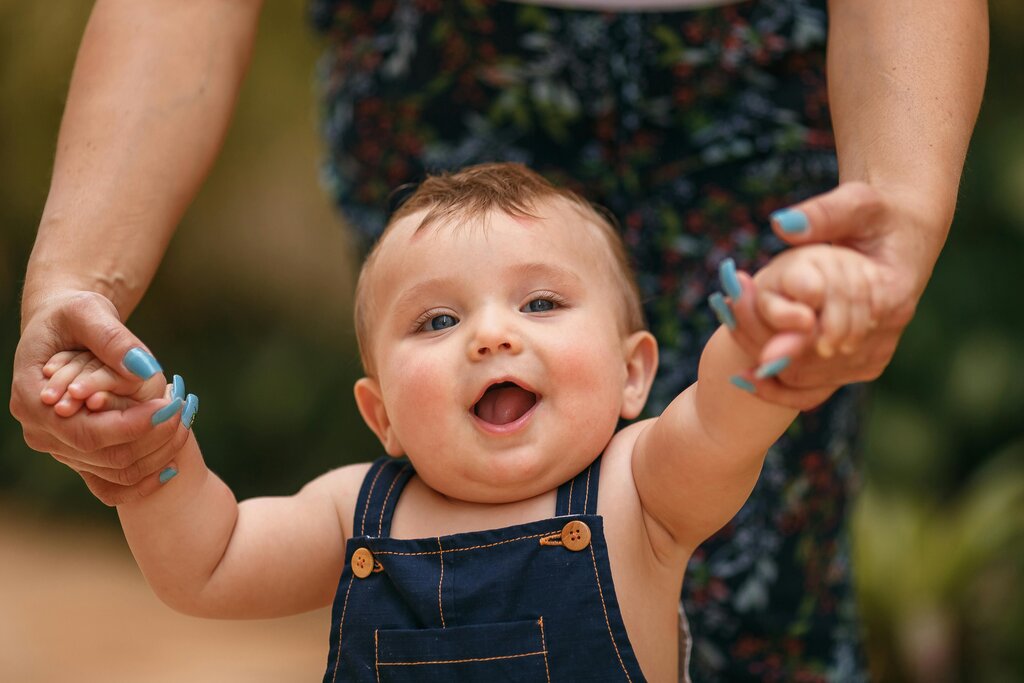
Around 18 months, your little one is likely transforming from a wobbly beginner to a confident walker. While just a few months ago they might have been taking hesitant first steps, now they're probably walking independently, and maybe even trying to run. Don't worry if they still look a bit like a sailor on a rocky ship—their gait is still developing. This newfound mobility is huge. It means they can explore their world on their own terms, carrying toys from one place to another and following you from room to room.
With walking mastered, the next challenge is often elevation. Your toddler is now strong enough to start experimenting with climbing. Sofas, chairs, and low tables suddenly become mountains to conquer. They'll practice pulling themselves up and, just as importantly, figuring out how to get back down. This is a normal and healthy part of their development, as it builds strength, coordination, and problem-solving skills.
Developing Dexterity
It's not just about big movements. At this age, you'll see huge leaps in your child's fine motor skills—the small, precise movements of the hands and fingers. This is when mealtime gets a lot more interesting (and messy).
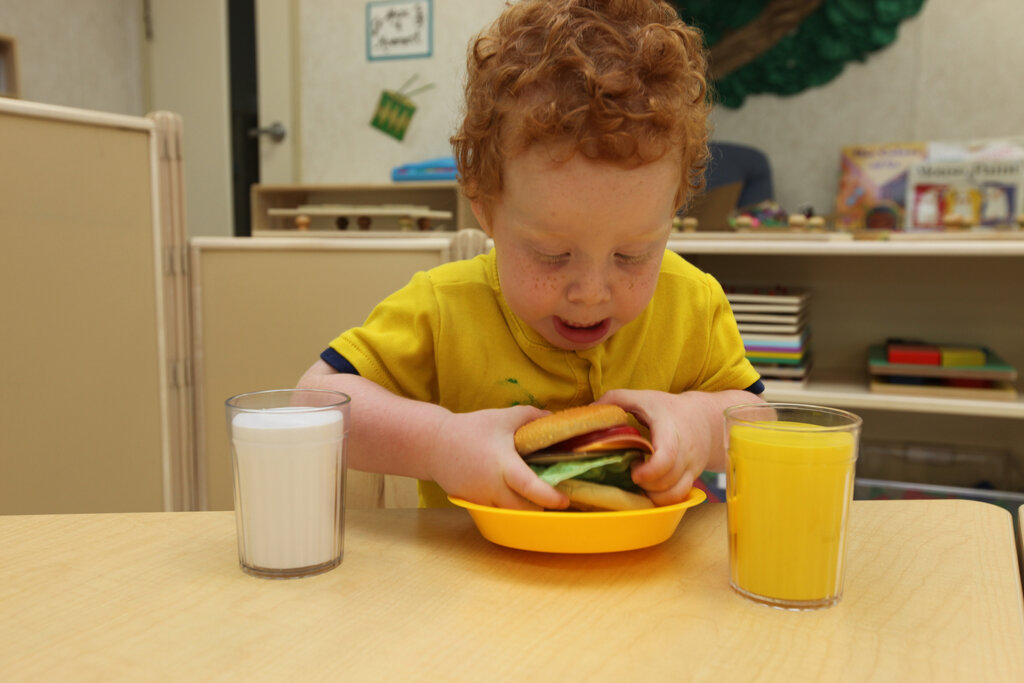
They are likely learning to use a spoon, though much of the food might not make it to their mouth at first. They're also getting the hang of drinking from an open cup, which requires a surprising amount of coordination. Patience is key; every spill is a learning opportunity.
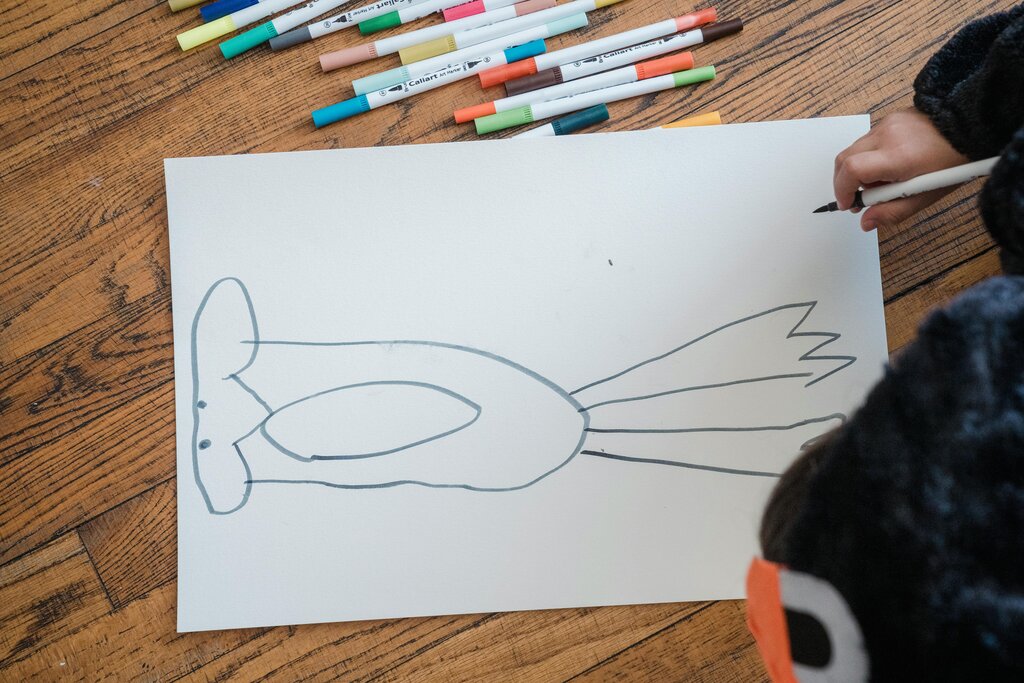
This growing dexterity extends to playtime. Hand them a chunky crayon, and you'll likely get some enthusiastic scribbles. While it won't look like much, this is an important first step toward writing and drawing. They are learning to grasp the crayon and discovering that their movements can make a mark.
Another fun skill that emerges is the ability to throw a small ball. It might be more of an underhand toss or a simple forward fling, but it shows developing hand-eye coordination and an understanding of cause and effect.
One of the best ways parents can ensure that their child/children achieve key physical developmental milestones is to create an environment that encourages children safety to explore the world.
Let's review what you've learned about this active stage of development.
At around 18 months, a toddler's walking gait is typically described as:
When an 18-month-old starts climbing on furniture, it is primarily a sign of:
Each of these milestones, from walking to scribbling, is part of a fascinating journey. By providing a safe and encouraging space, you help your child build the physical confidence they need to keep exploring.